11.03.2026
From the Workshop to the Stage: Macbeth’s Rotating Panels
How a Hutt Valley workshop spent nine months pushing aluminium to its limits, and ended up with one of the most striking set designs on the New Zealand stage.
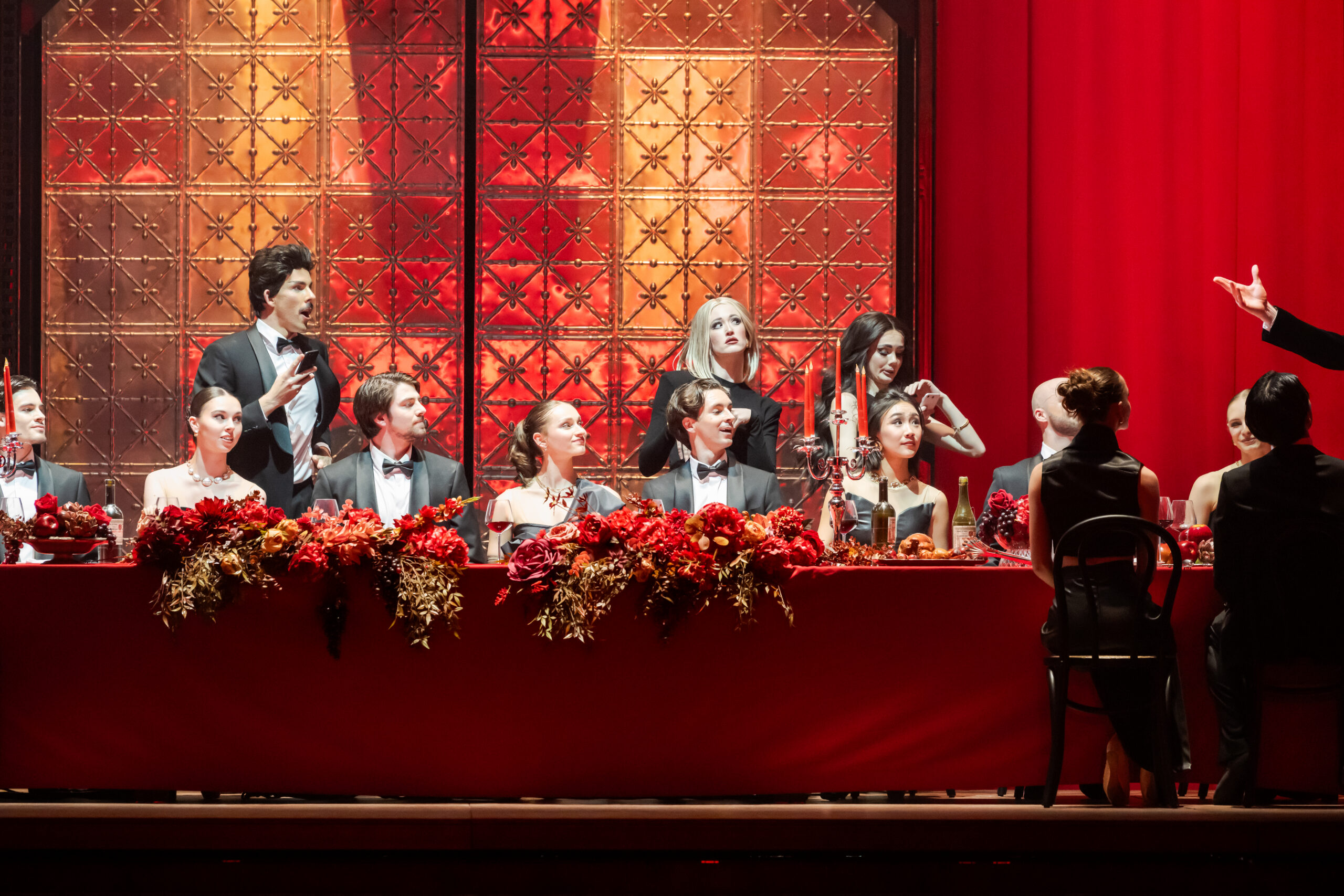
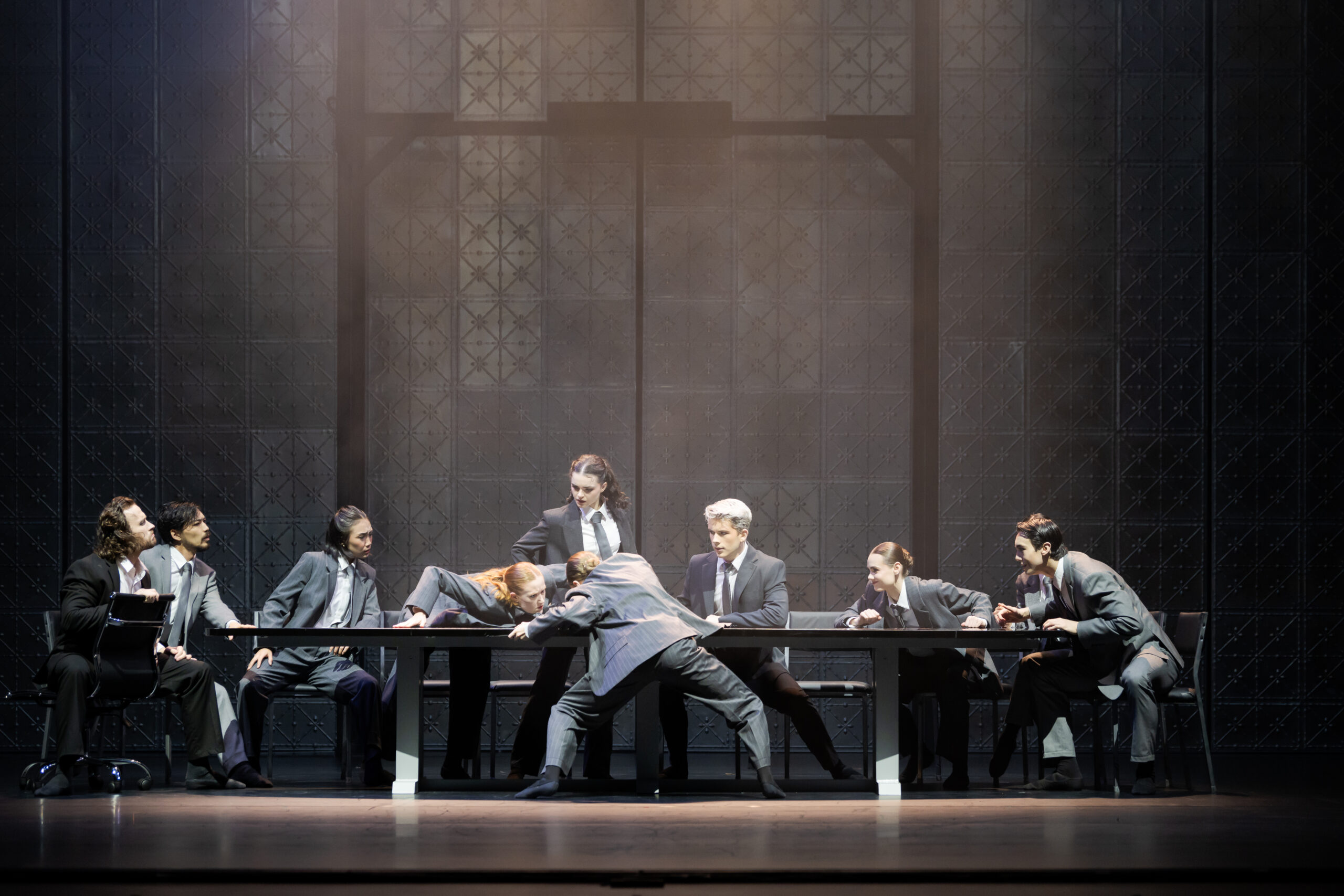
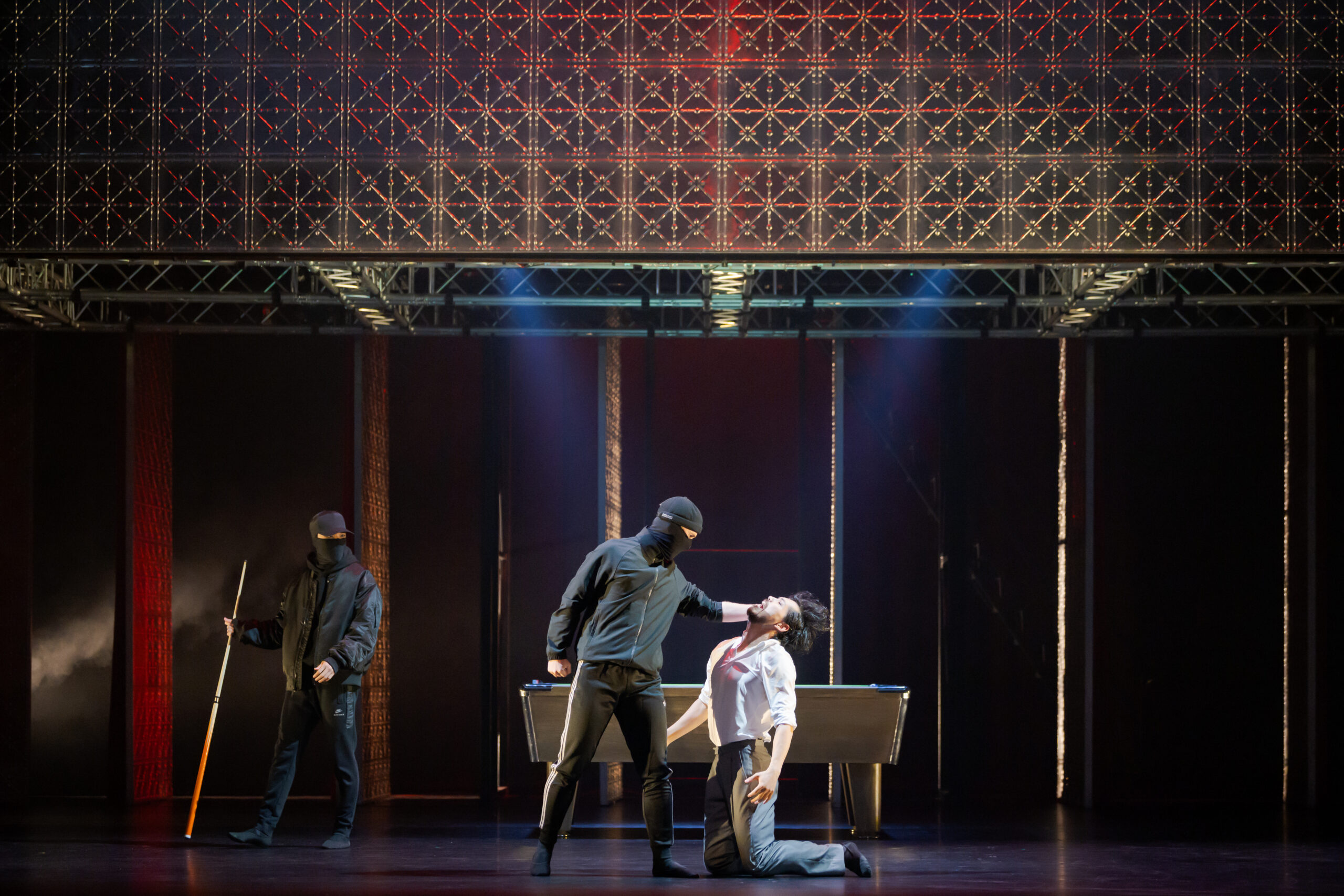
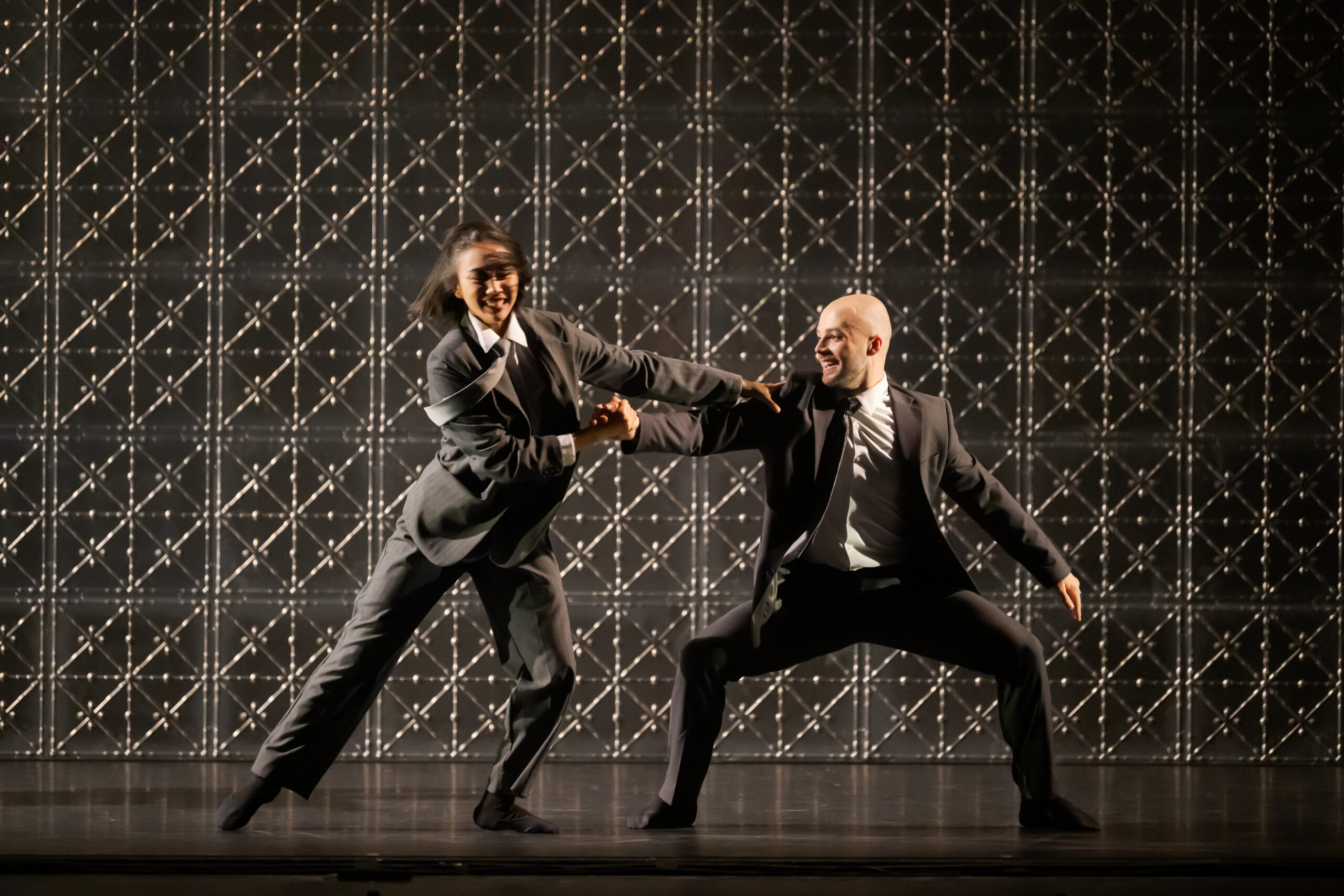
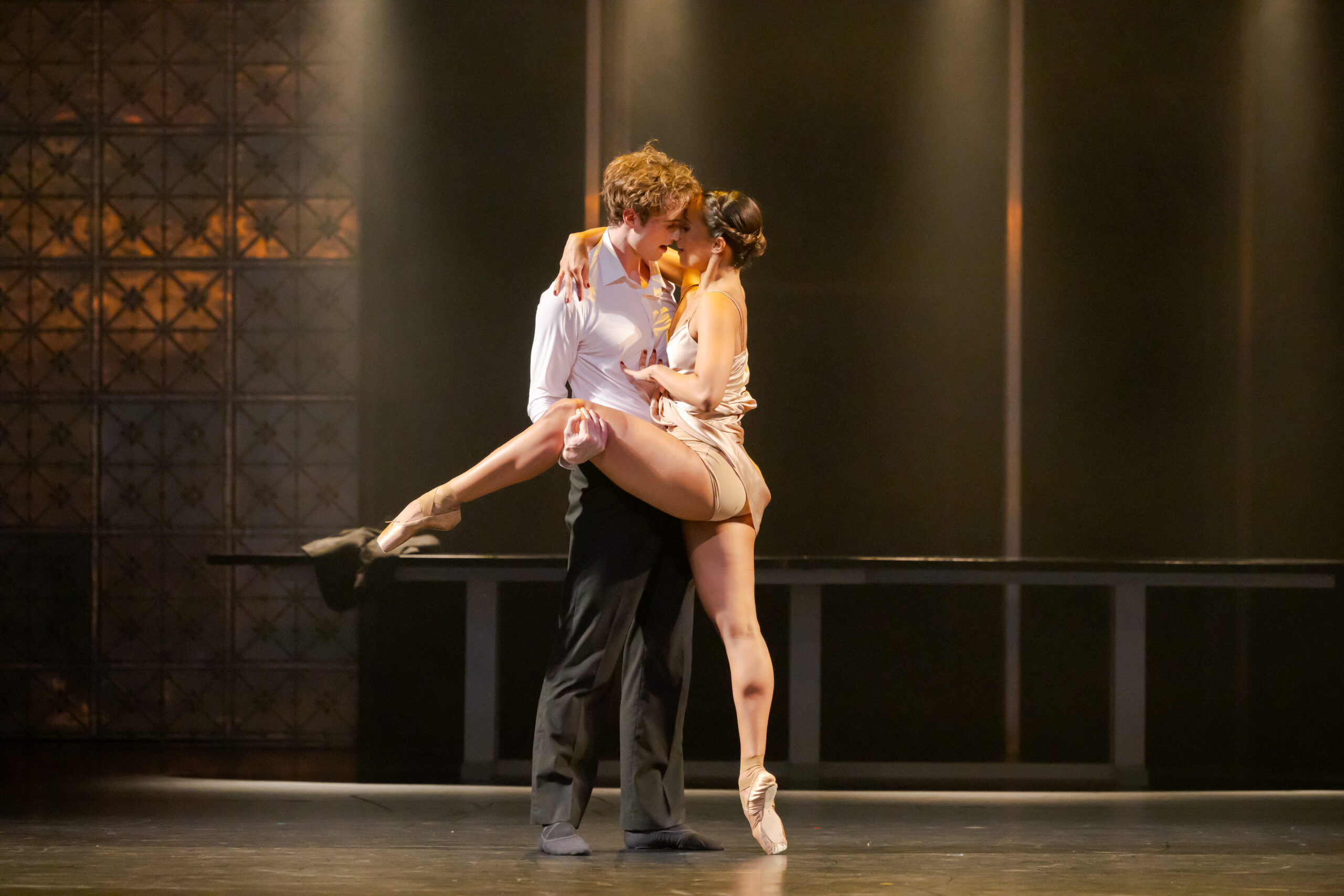
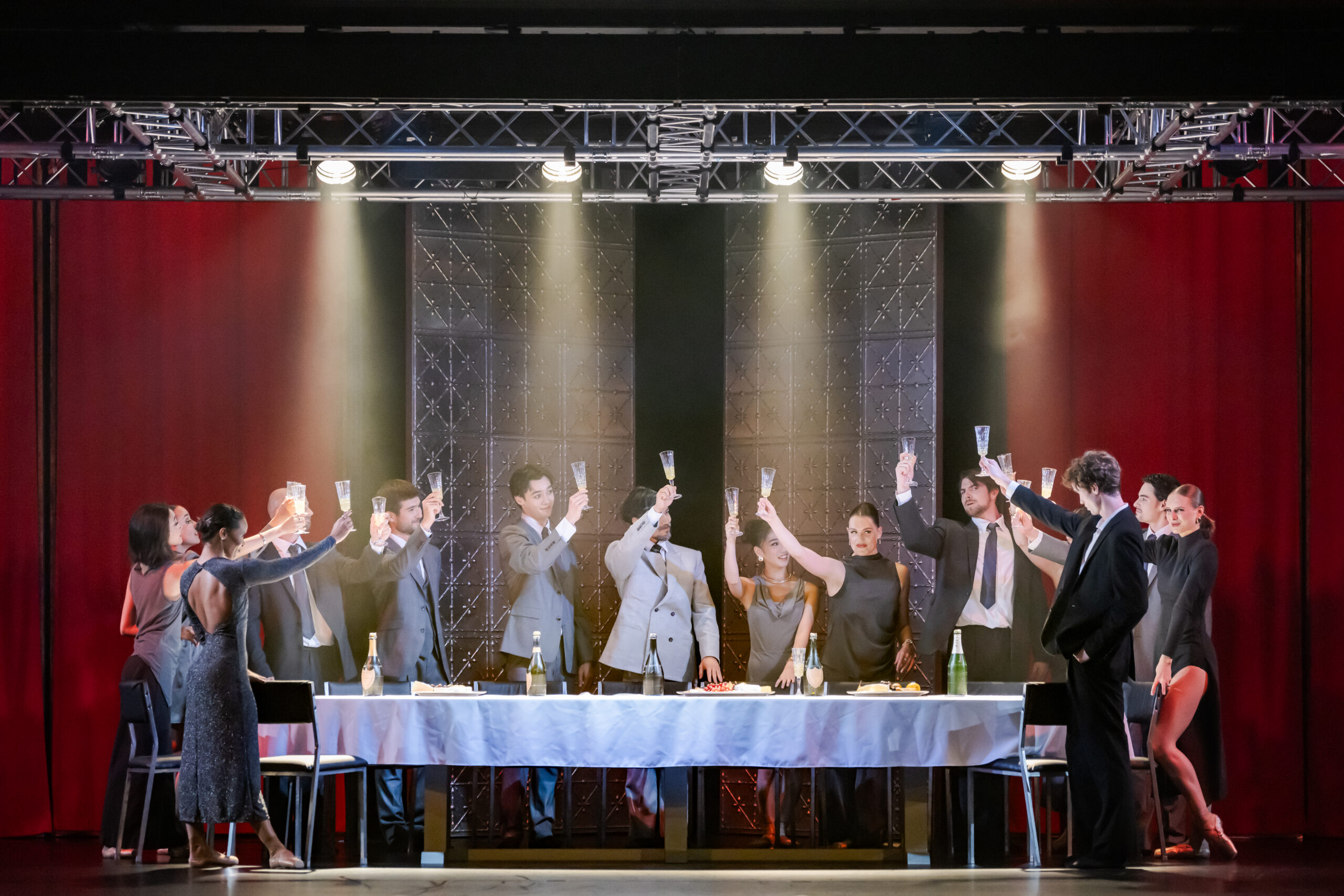
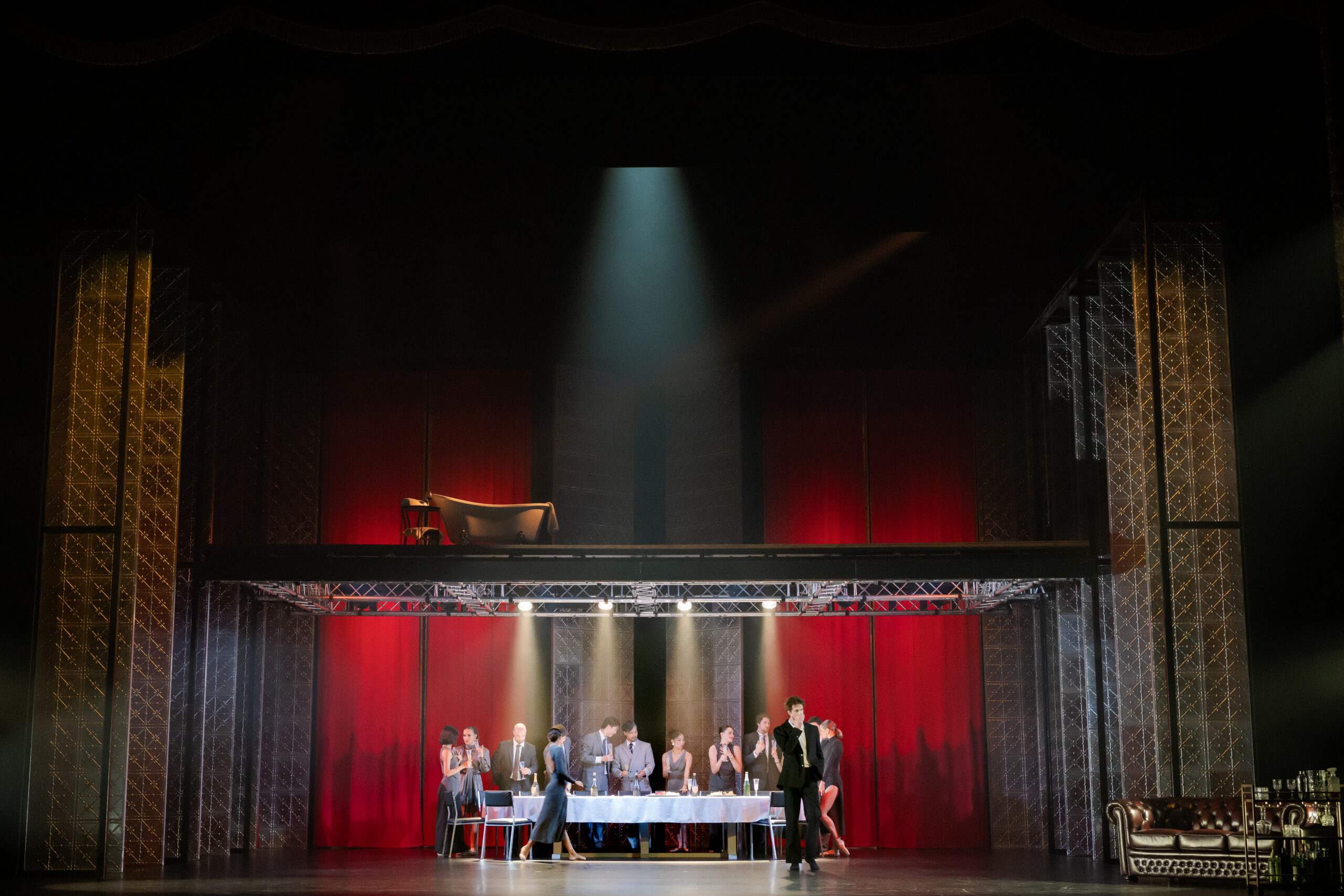
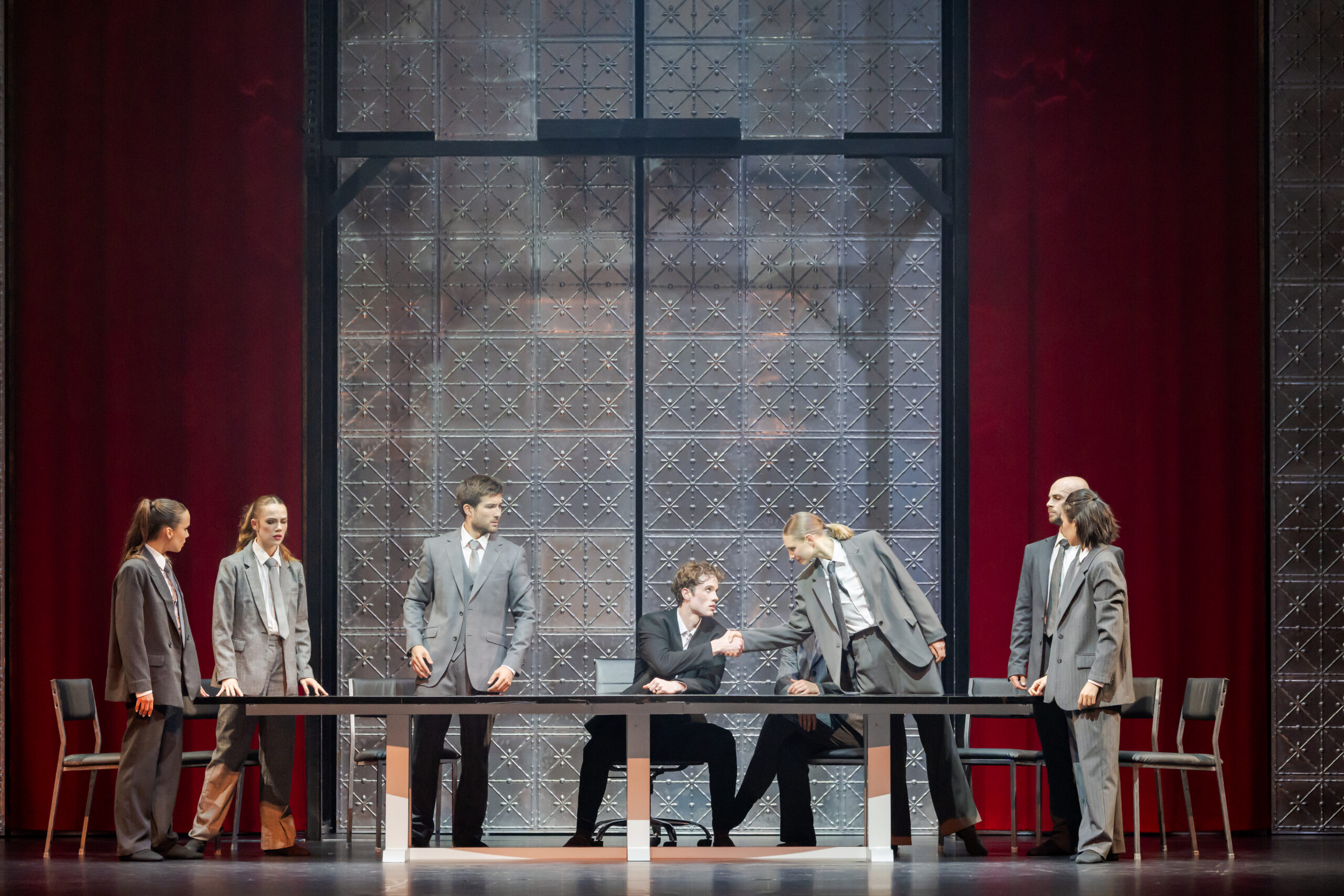
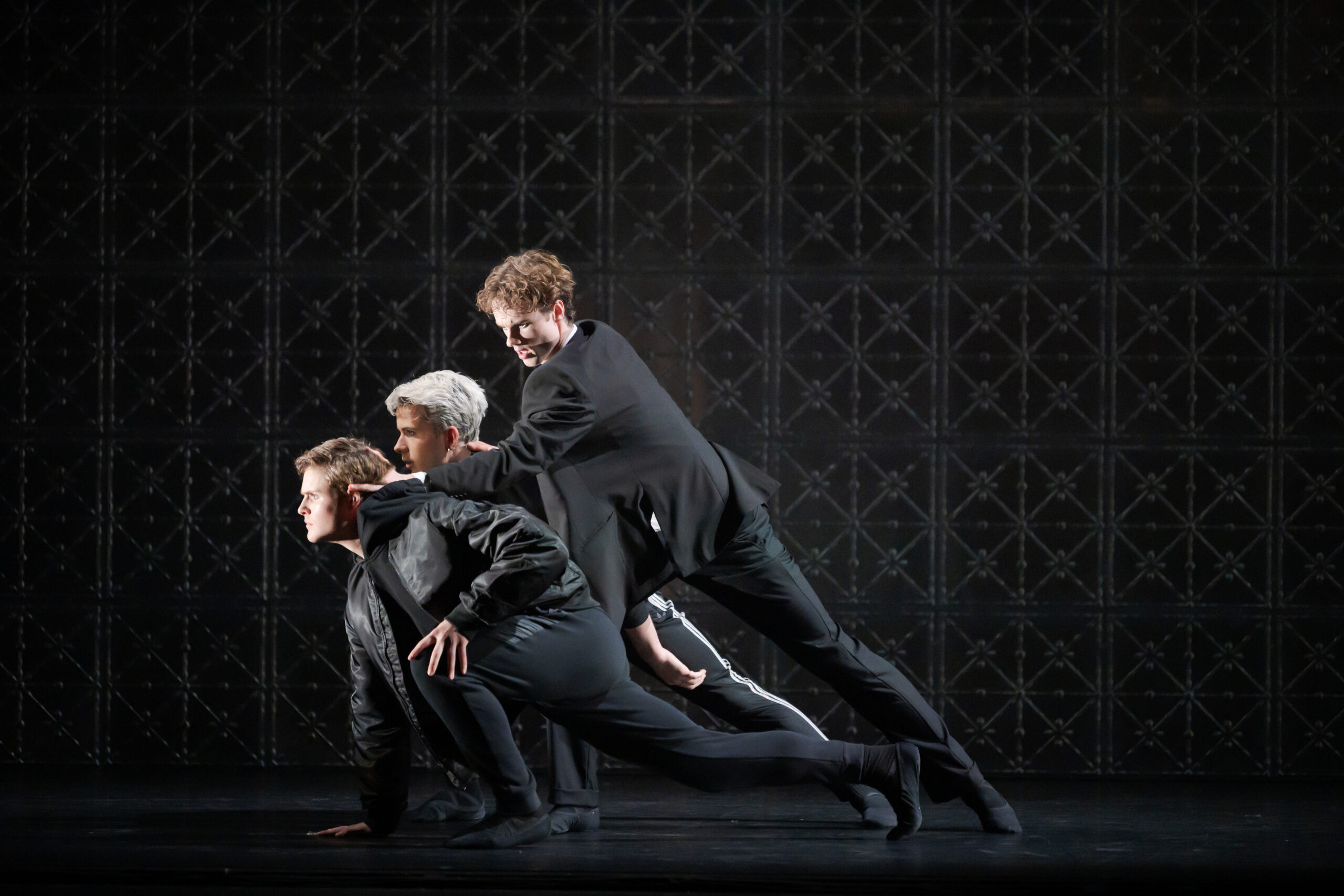
Macbeth by the Royal New Zealand Ballet, photographed 24 February 2026, Wellington, NZ. Choreography by Alice Topp. Photo credit: Stephen A’Court.
When set designer Jon Buswell conceived a striking vision of large-scale pressed metal panels for our bold new production of Macbeth in association with Avis – panels that could rotate, adapt, and carry the weight of one of Shakespeare’s darkest stories – the team at Steel E.D & Patton were handed a challenge that was equal parts engineering problem and artistic pursuit.
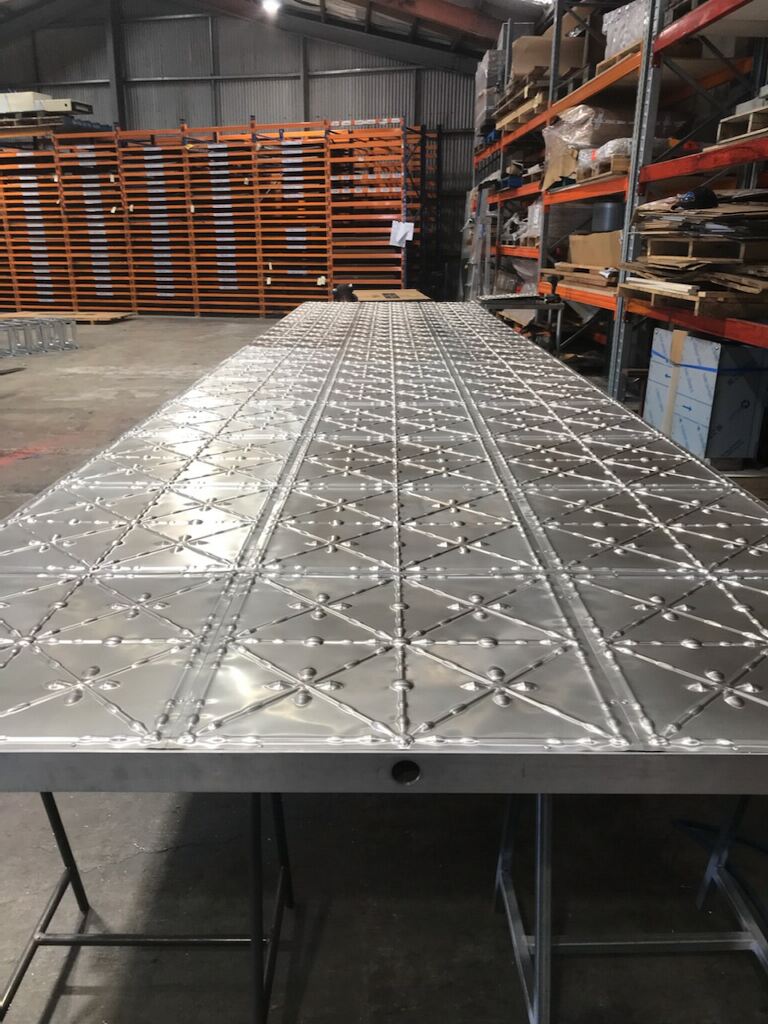
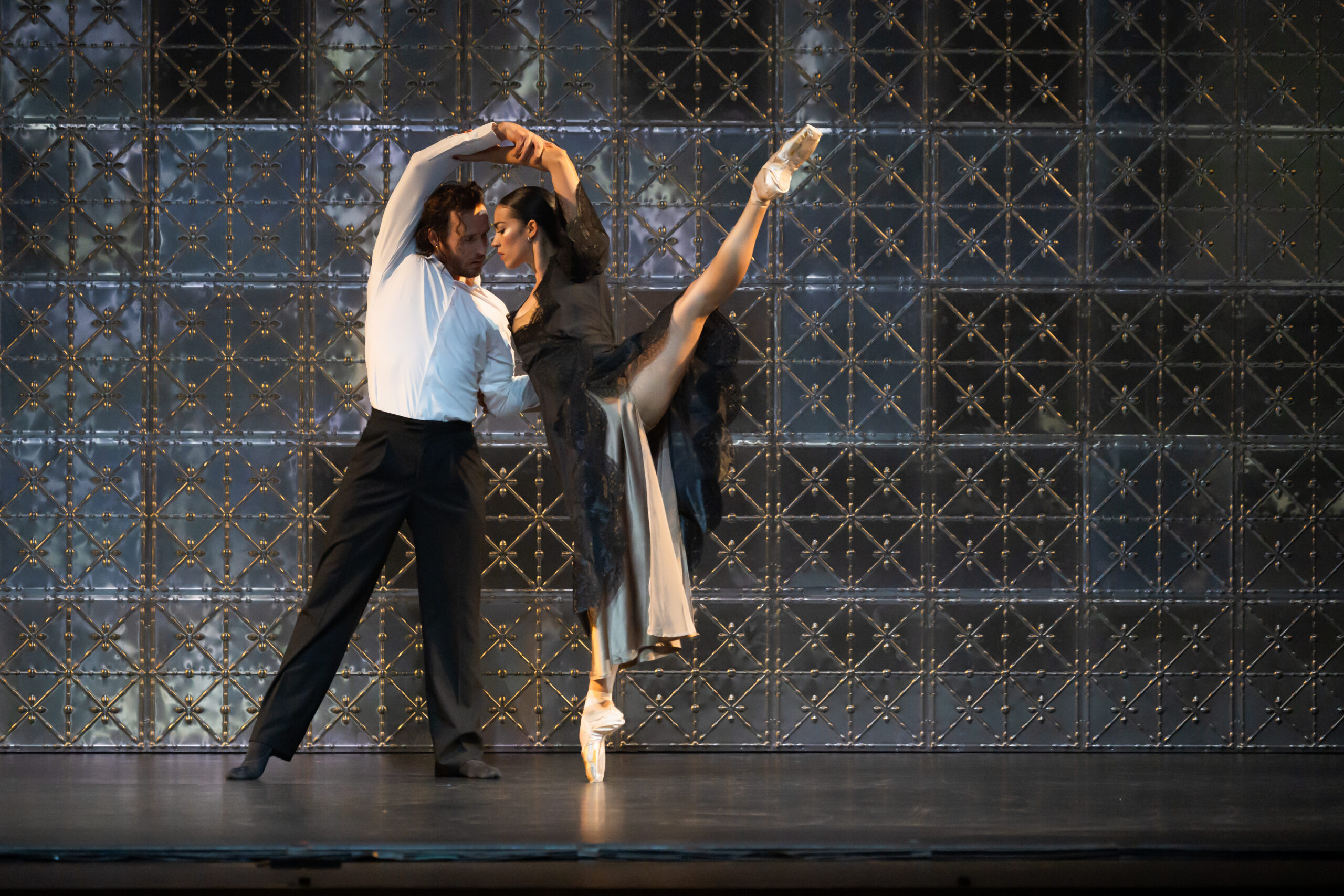
What followed was nine months of material testing, process refinement, and no small amount of persistence – working through tearing aluminium, discovering the ancient technique of annealing, and ultimately producing 1,130 individually pressed tiles that would go on to become one of the most striking elements of the production.
We spoke to Chris Kooge from Steel E.D. & Patton to find out how it all came together.
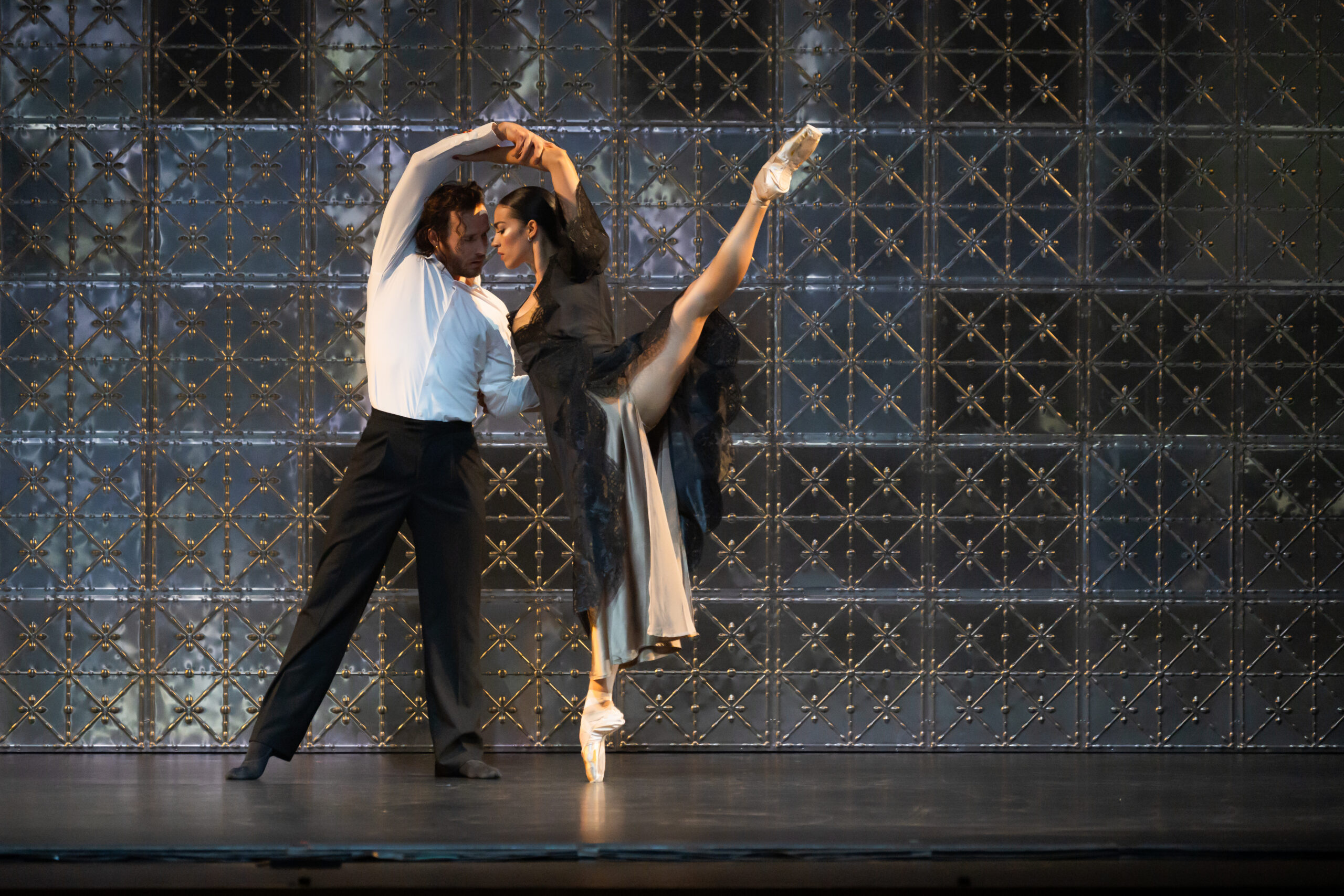
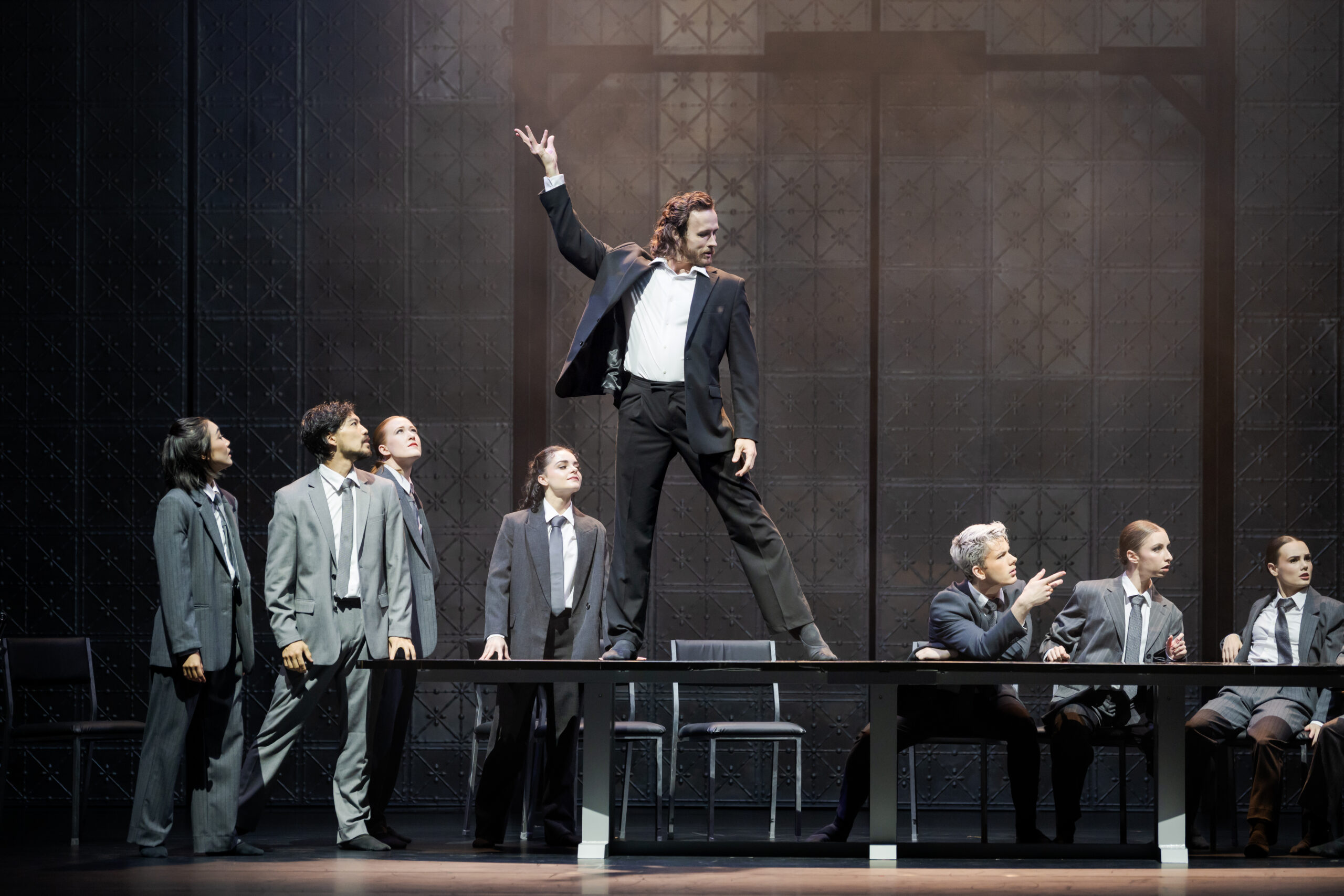
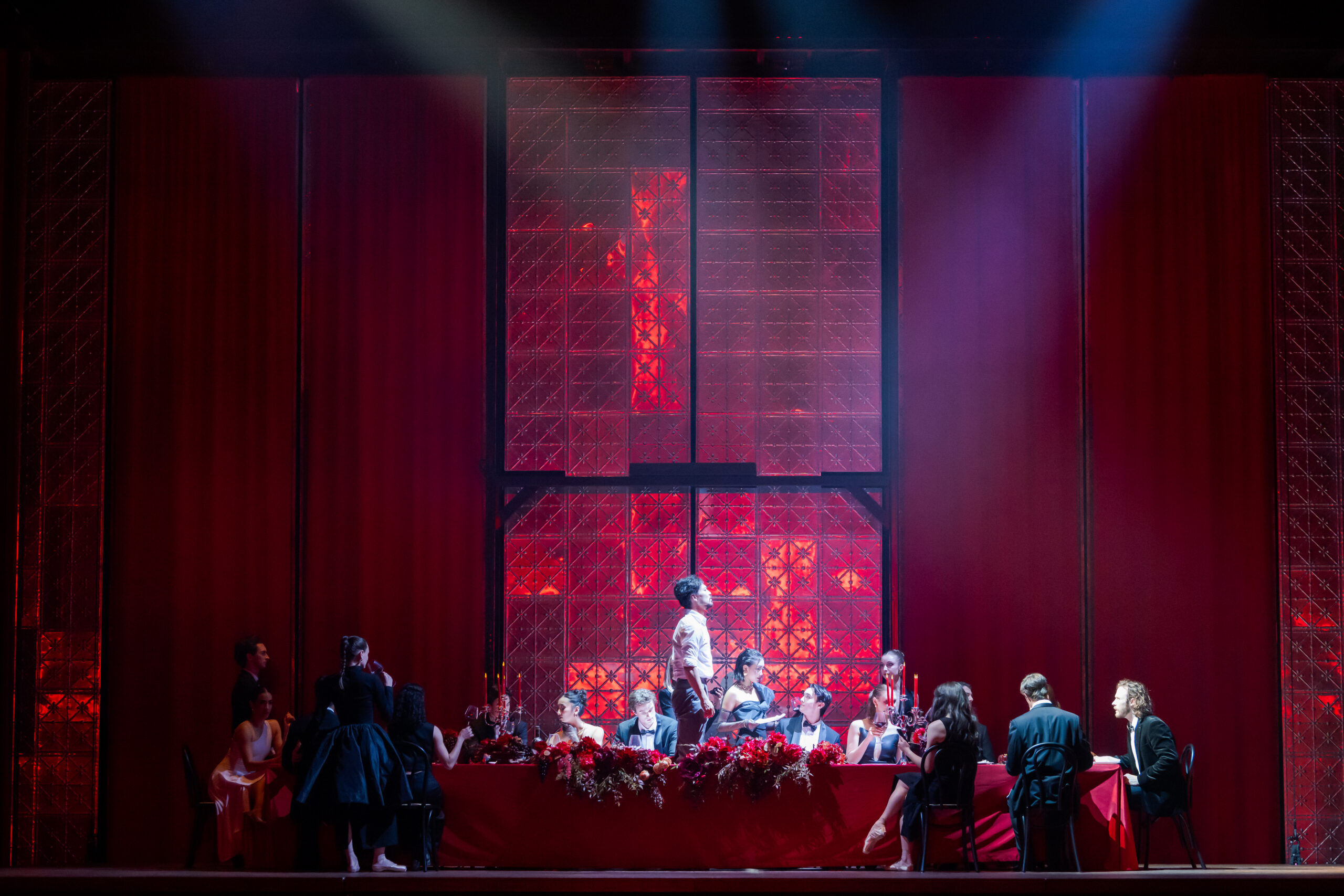
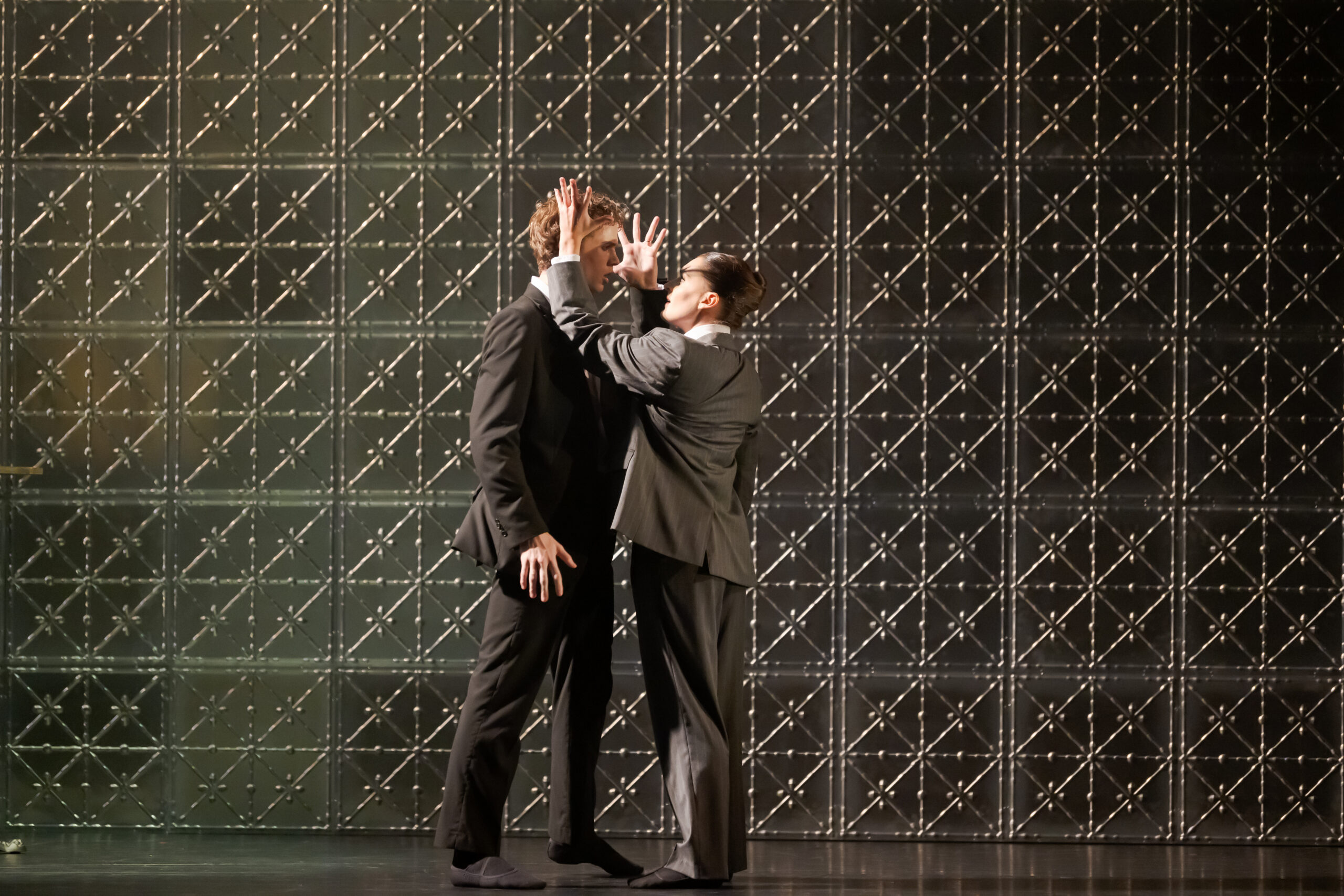
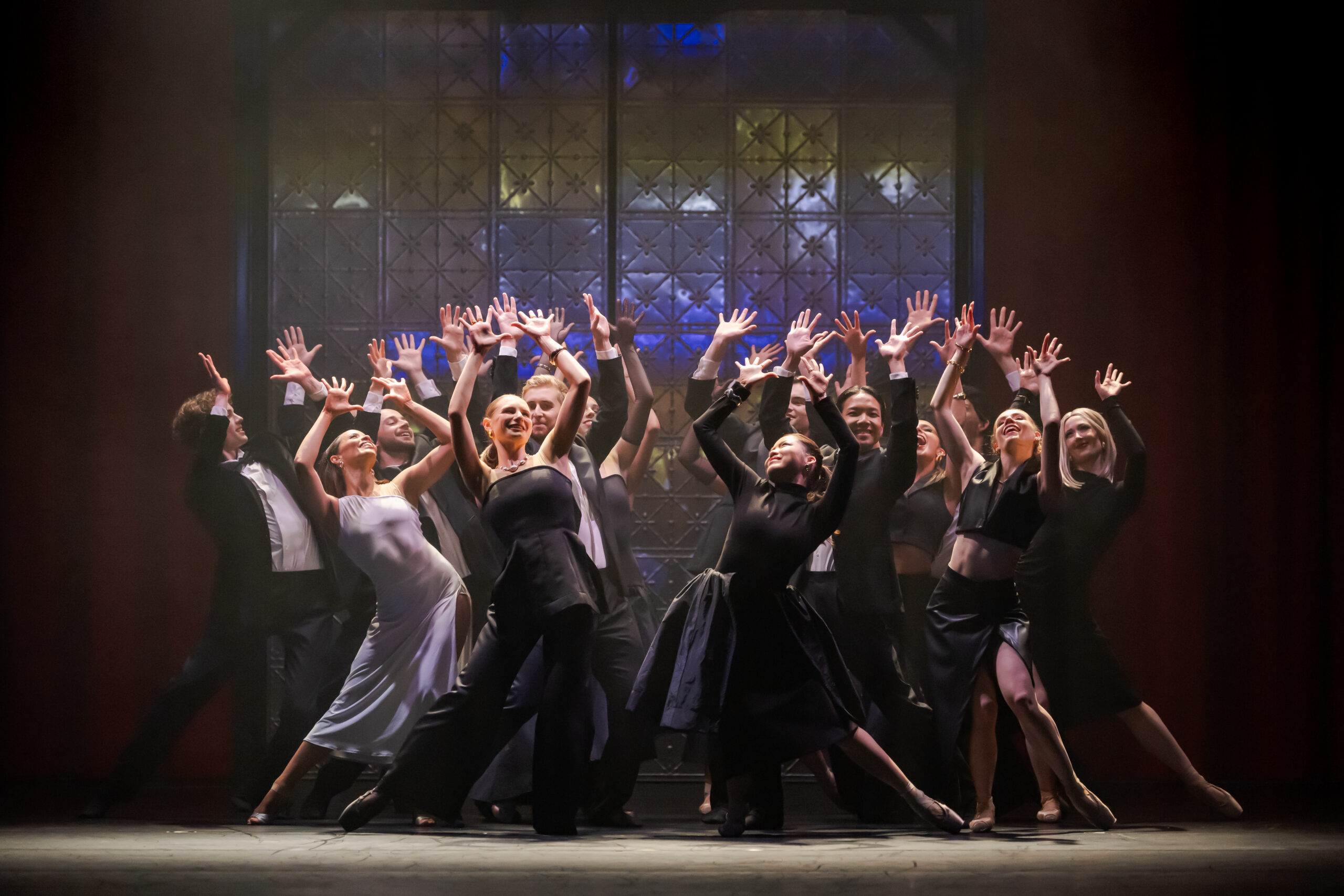
Macbeth by the Royal New Zealand Ballet, photographed 24 February 2026, Wellington, NZ. Choreography by Alice Topp. Photo credit: Stephen A’Court.
So where did this whole project begin?
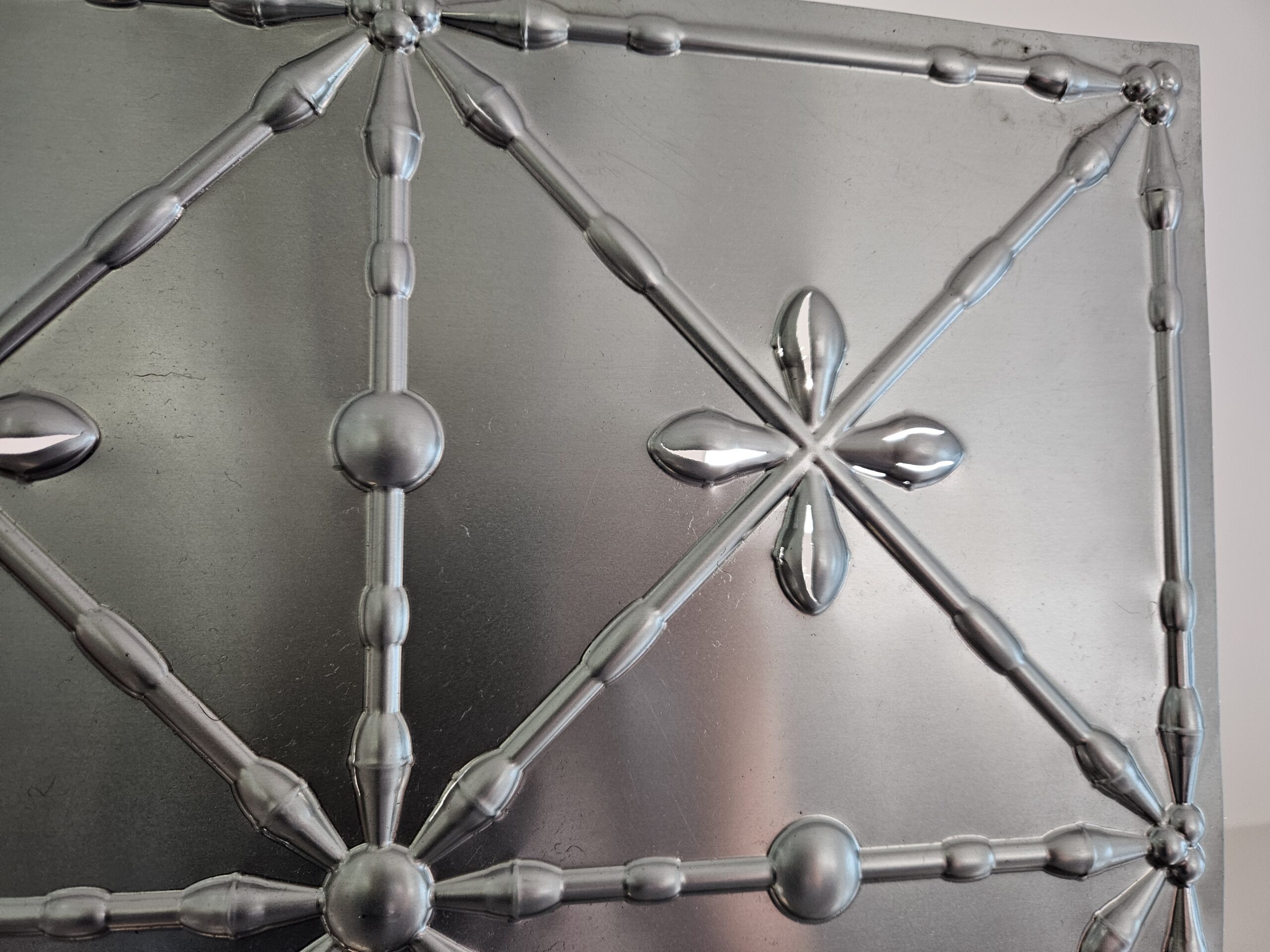
In around April 2025, Drew (Andrew Lees, Technical Director at the RNZB) and I started talking about the panels for Macbeth. The overall design from Jon Buswell had the look and feel of pressed tin panels, but at a much larger scale and with a much bolder repeat pattern. The idea was to complete these in thin aluminium – it made sense given its malleability, weight advantage, and workability.
How did you go about testing whether that was actually achievable?
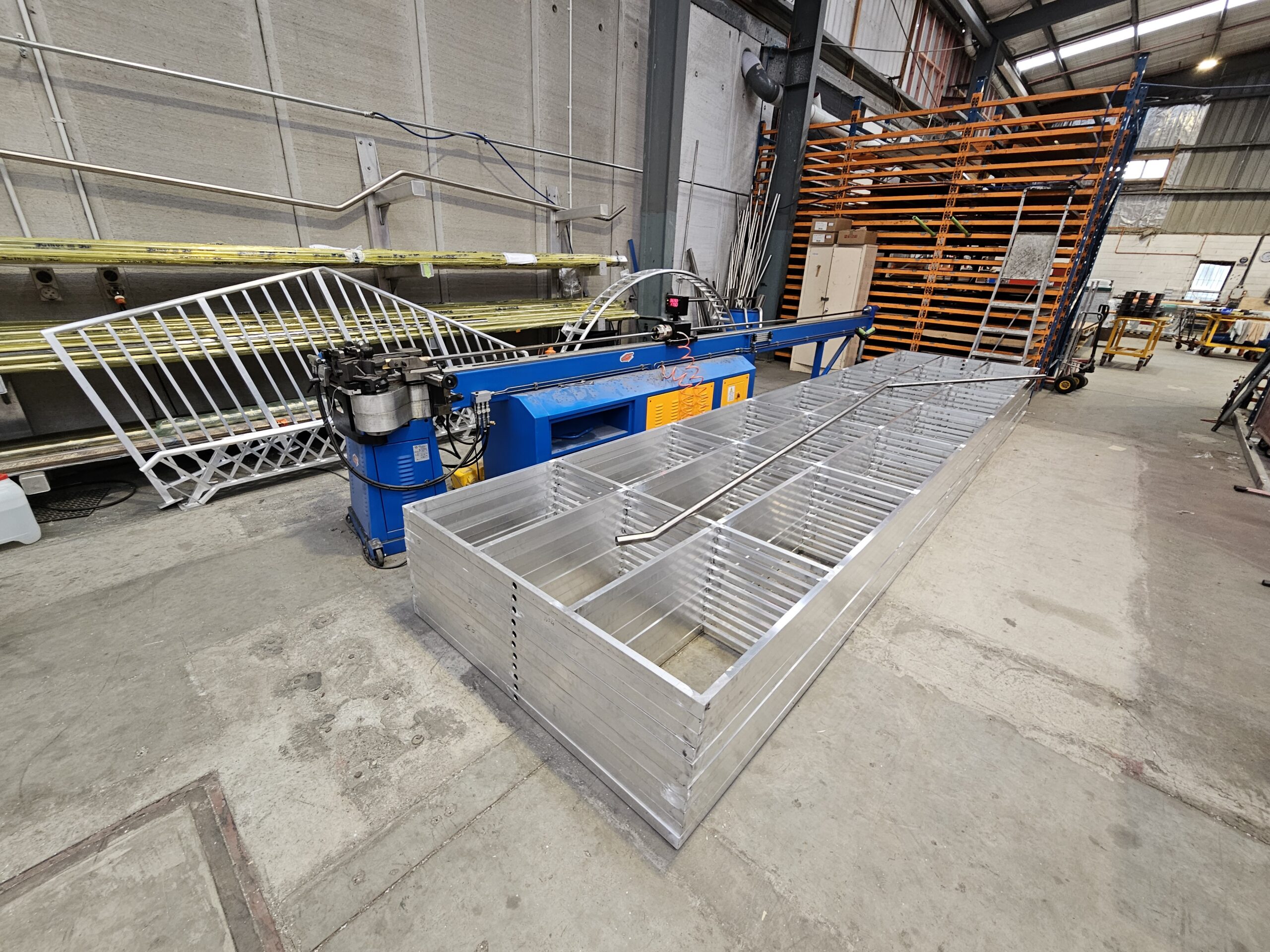
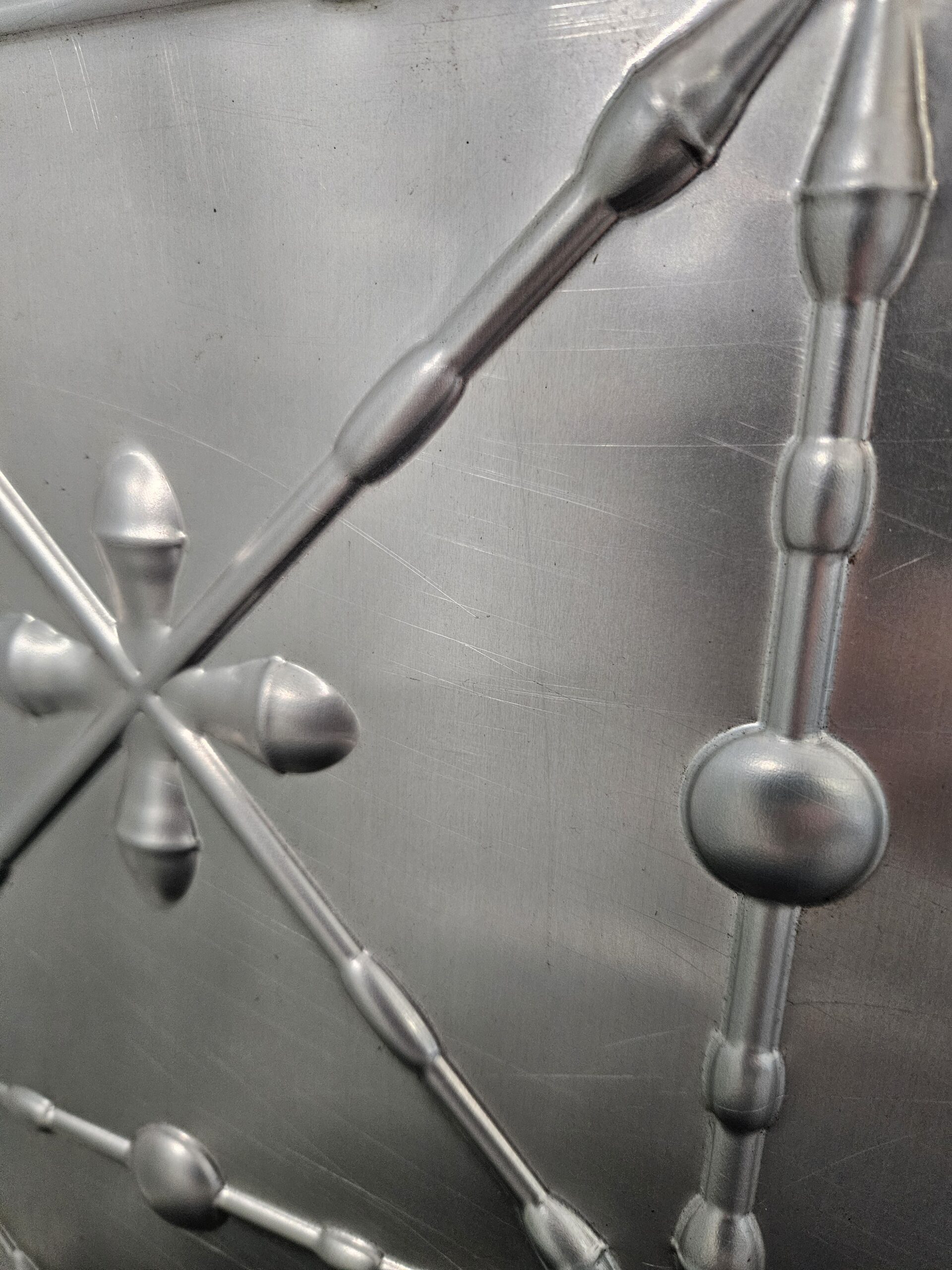
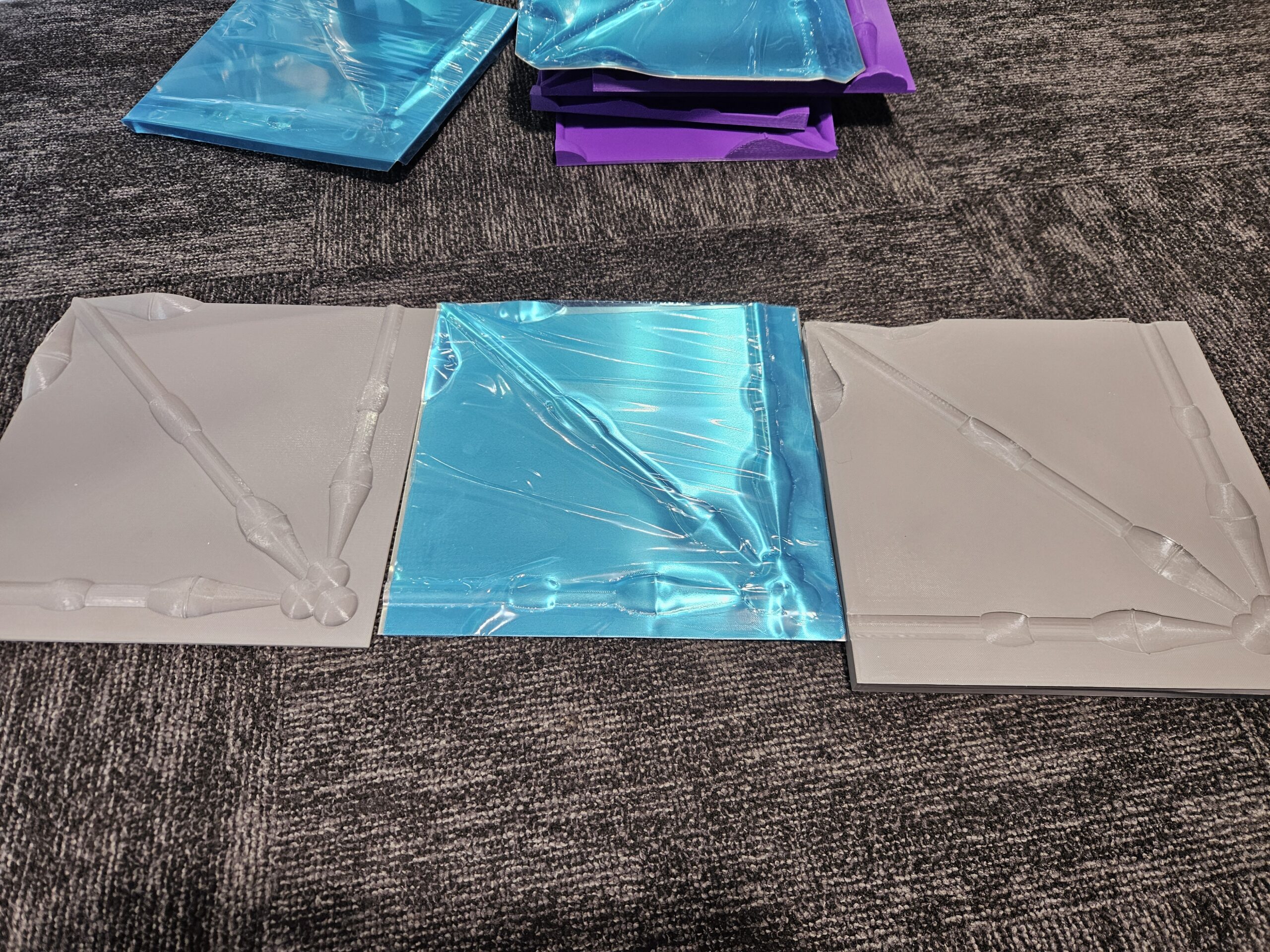
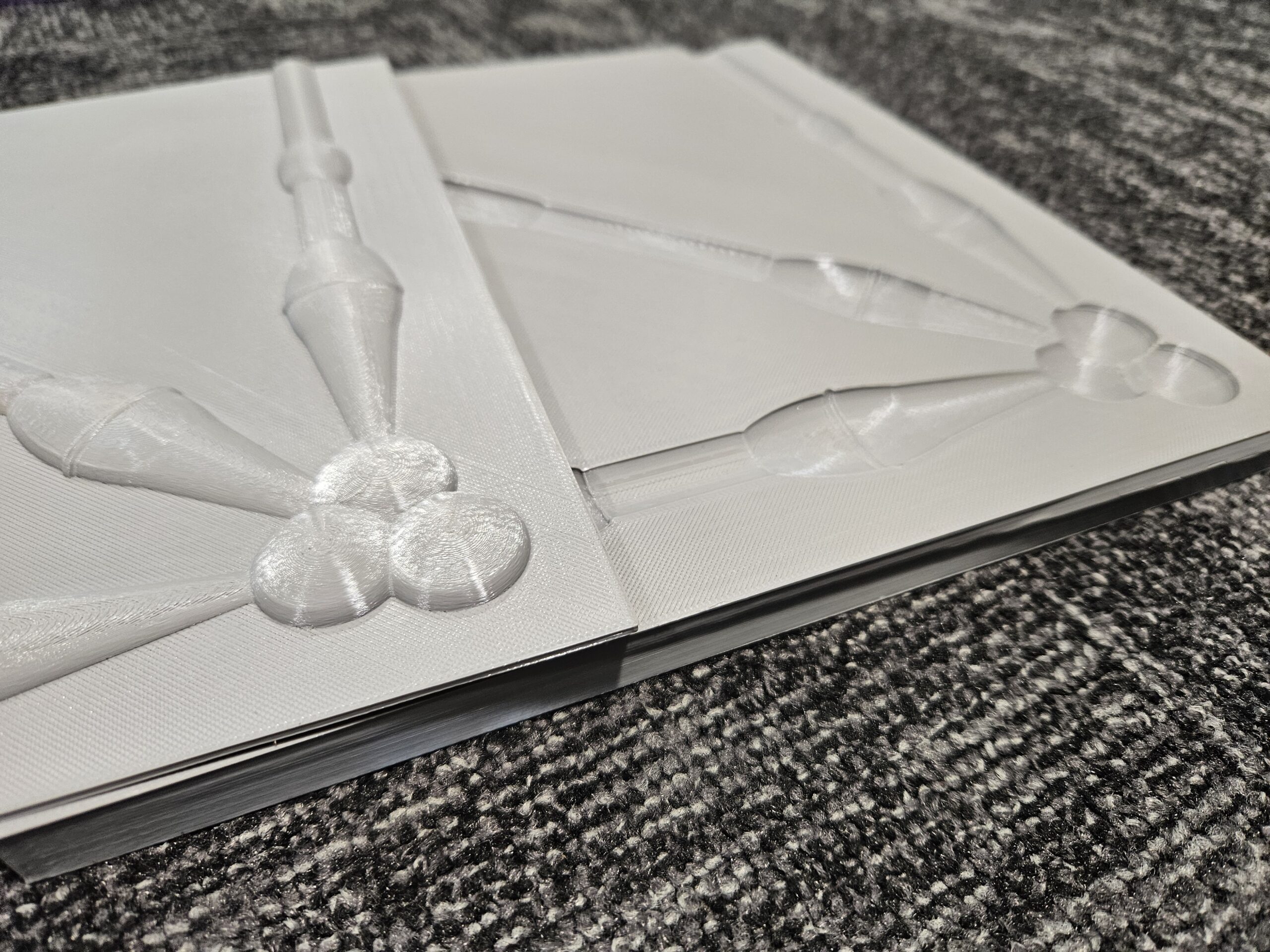
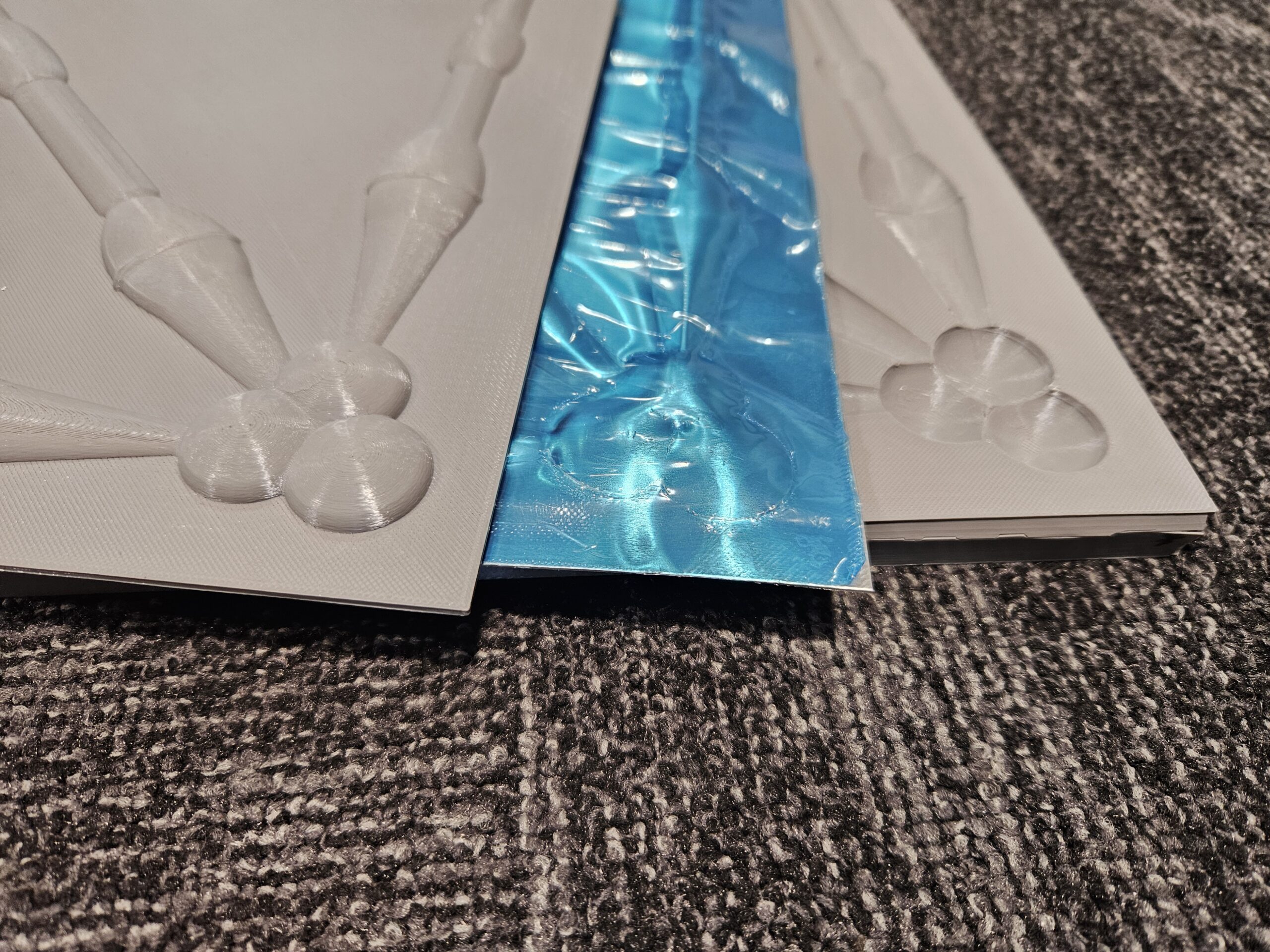
We started with 3D printed test stamps to test the methodology of pressing the tiles in our press brake. That gave us our proof of concept. The idea was to create a positive and negative mould that would manipulate the aluminium into the given shape and contours. Once that checked out, we got the final moulds made via CNC machining and created a specific tool to house the upper section and hold it in place, so the press could cycle and produce the regular consistency we needed.
Sounds like it came together fairly smoothly at that point – did it?
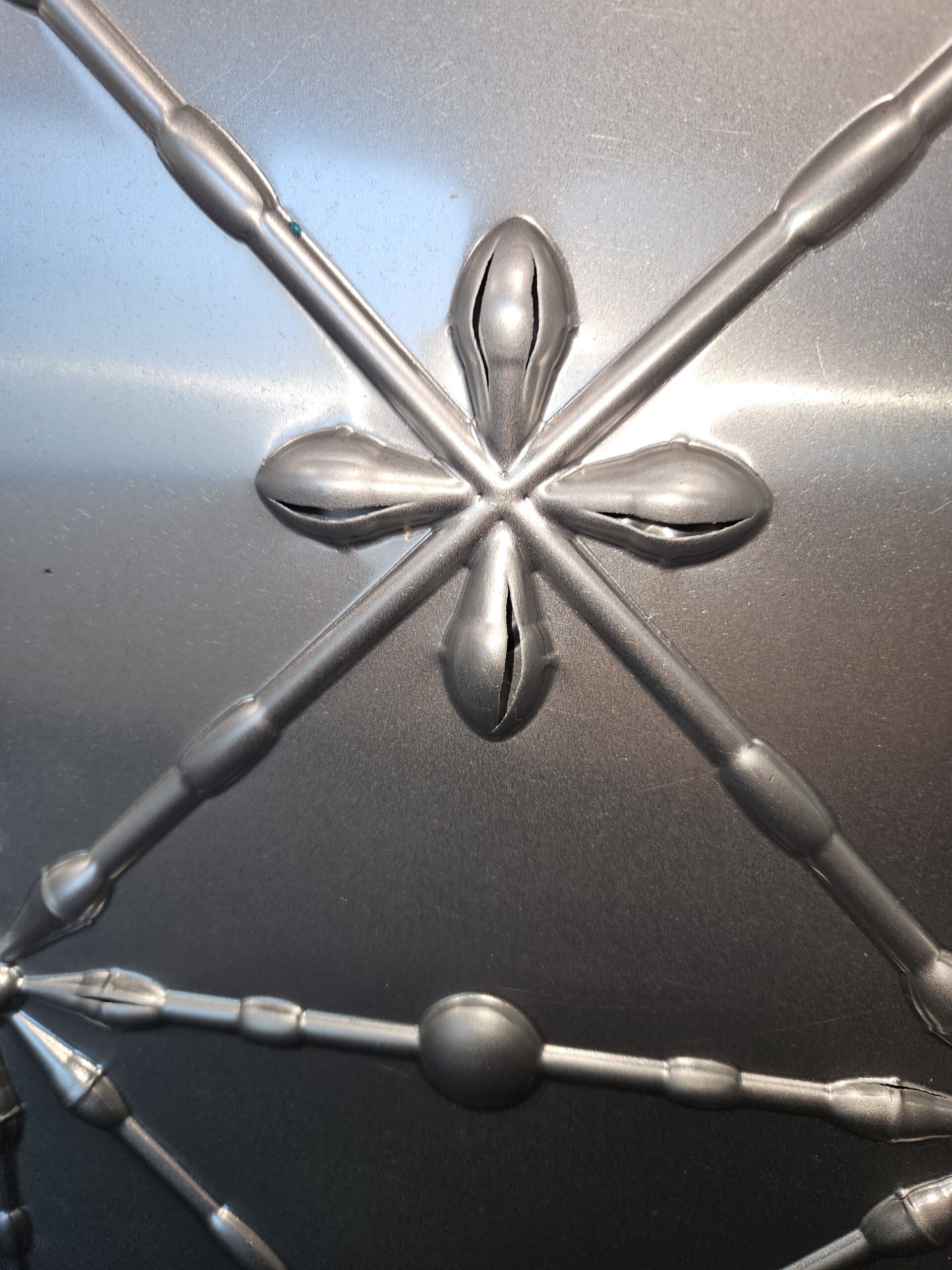
That’s where the hard part began, actually. The originally intended 0.45mm thick aluminium sheets were tearing during pressing. The contours were so prominent that there simply wasn’t enough material to stretch. So firstly, we re-machined the stamp down slightly to reduce the extent of the high points – just enough to minimise the risk of tearing without compromising the look too much.
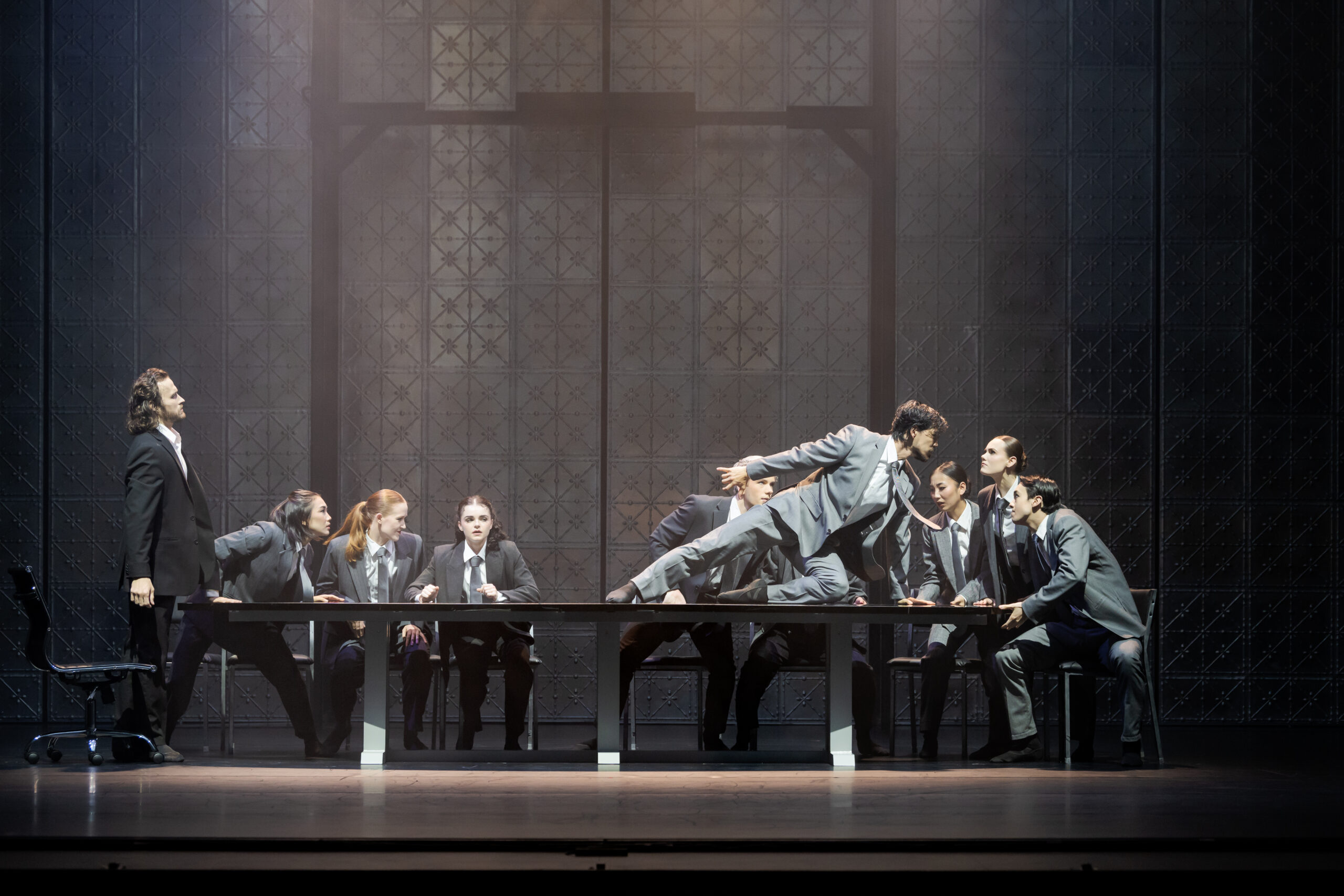
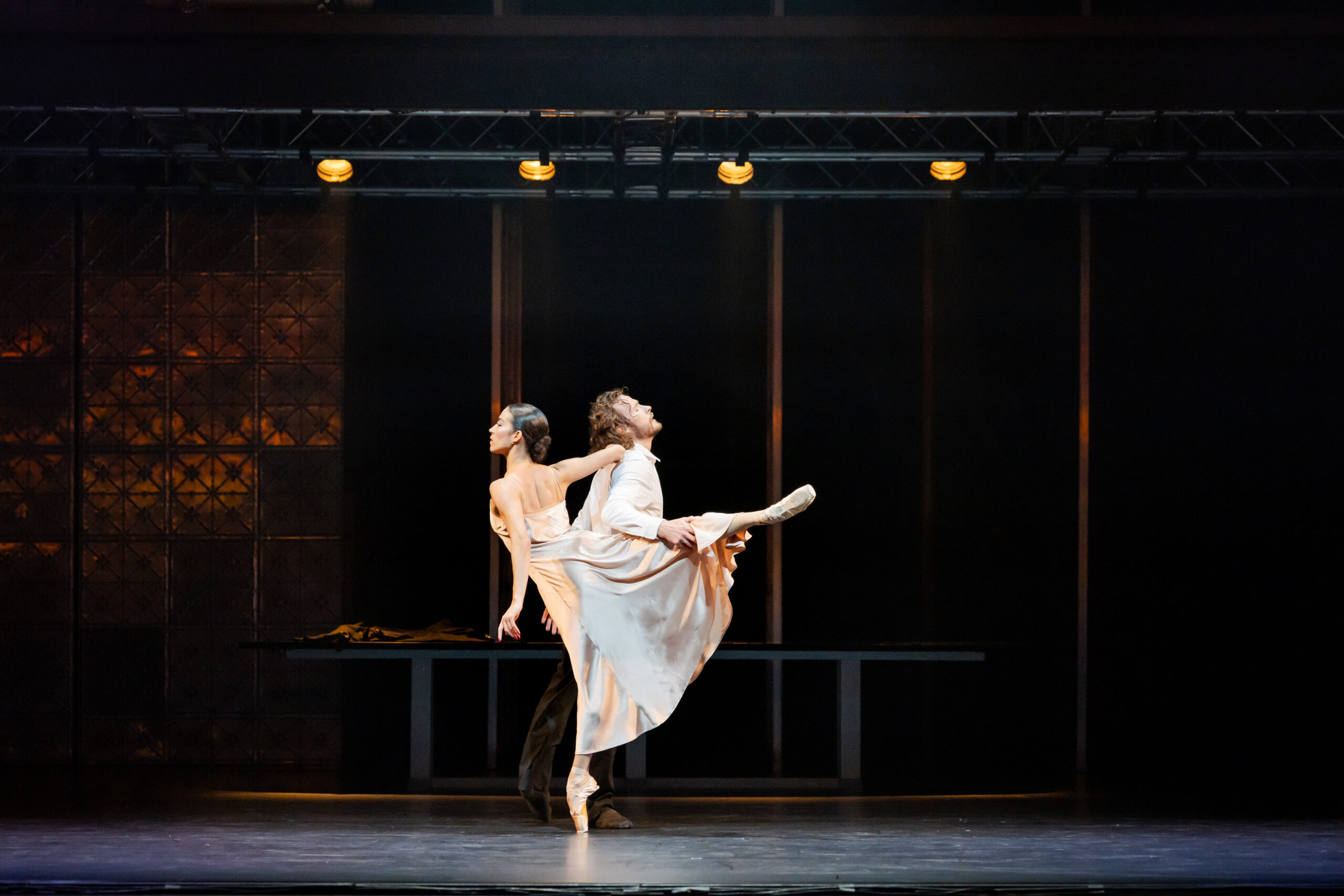
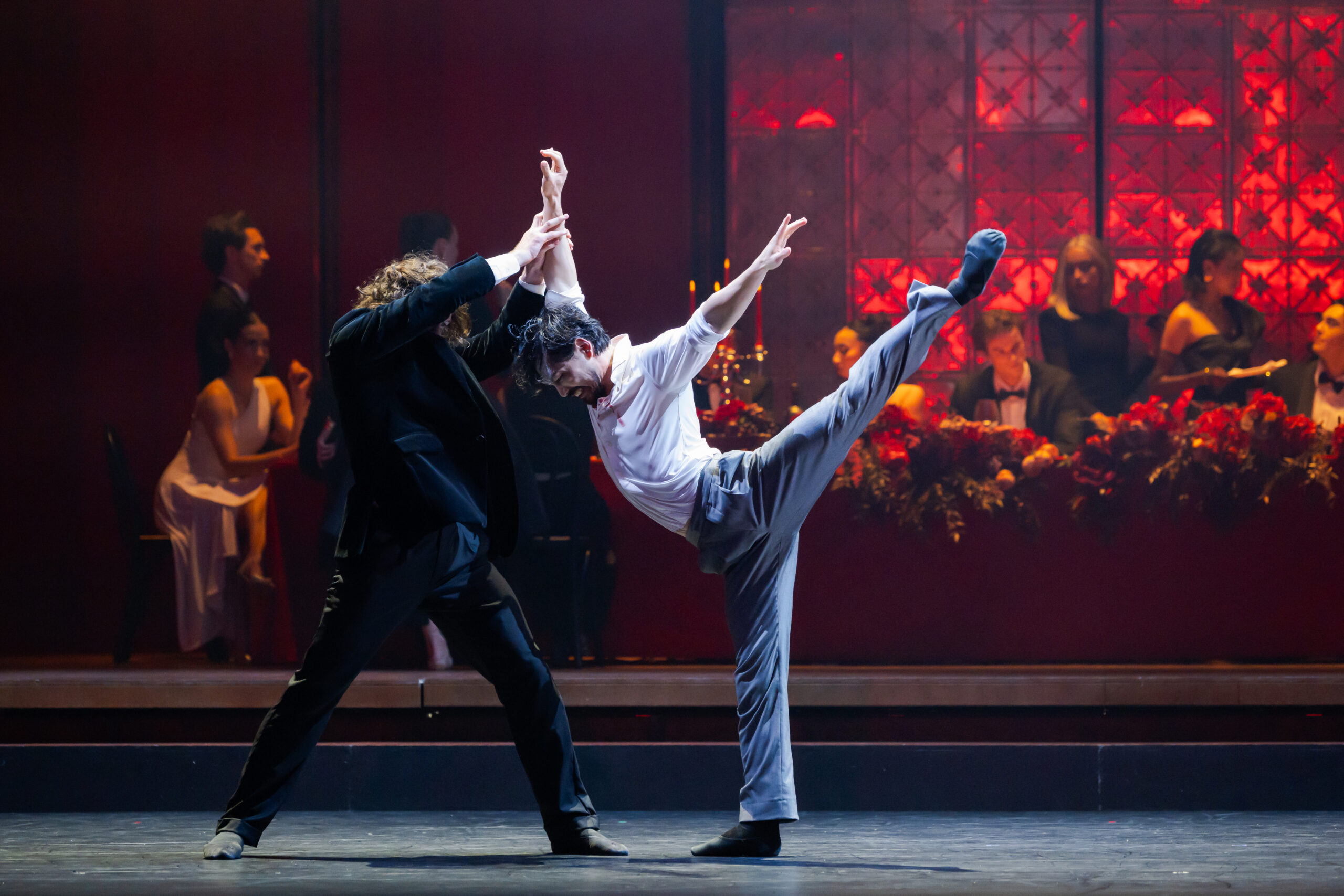
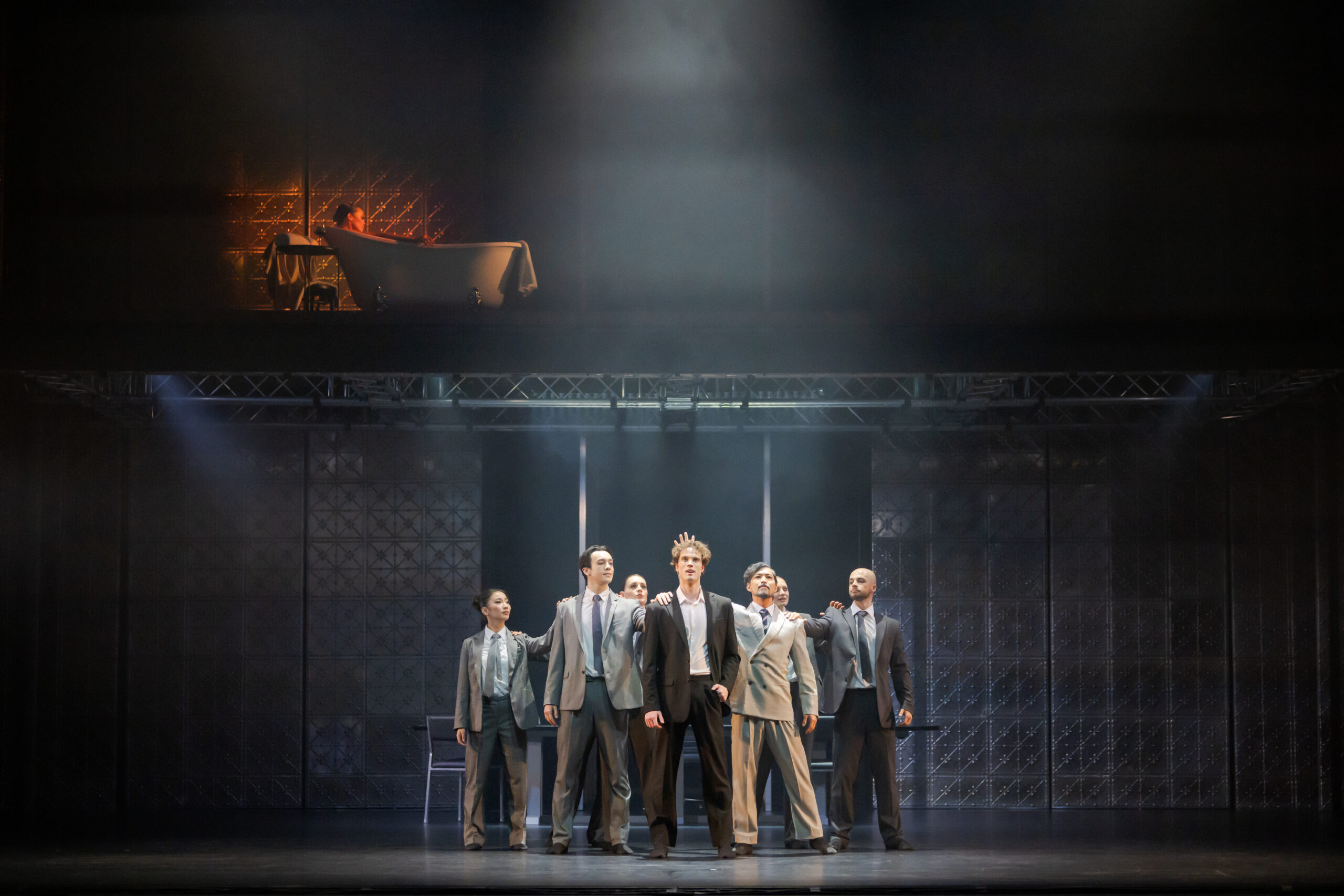
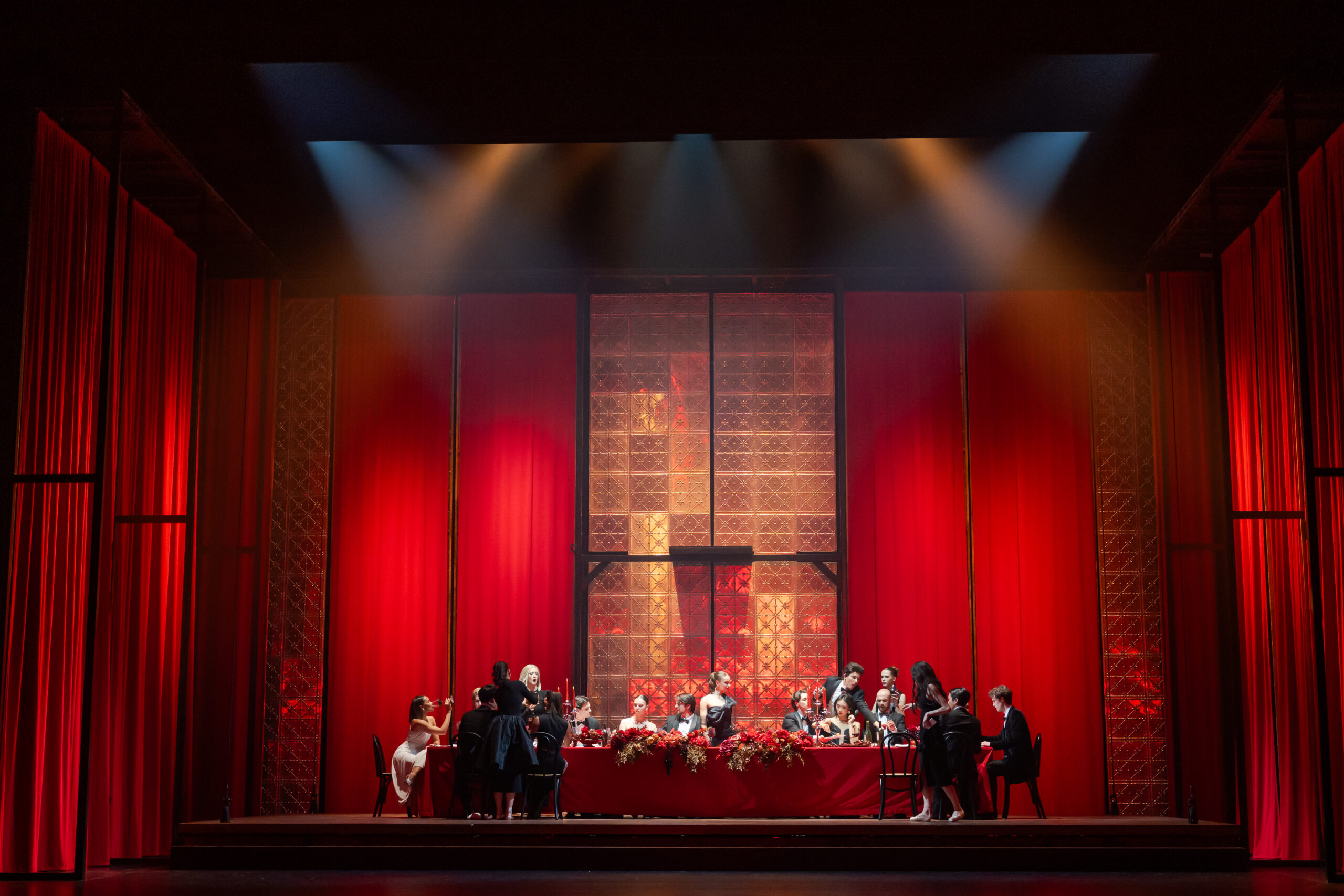
Macbeth by the Royal New Zealand Ballet, photographed 24 February 2026, Wellington, NZ. Choreography by Alice Topp. Photo credit: Stephen A’Court.
And did that solve it?
Partially. We then tested 0.7mm and 0.9mm thick aluminium sheet. The 0.9mm lost too much definition, but the 0.7mm turned out to be the sweet spot. Even then though, we were still finding very small tears, which led us to look at annealing.
Annealing – can you explain what that process involves?
Annealing is where you heat the aluminium to around 400°C and then slowly cool it, which reduces its rigidity and makes it far more malleable – softer than a drink can, to the point where it can only just hold its shape. Once you place it in the mould and press it, it work-hardens back into a more rigid form. Quite a process, but it achieved the result we needed. We just need to do 1,130 of them now…
How would you describe the overall sampling process?
It was a true balancing act – achieving the desired look, depth and contours, while keeping the whole thing workable and practical. Every variable was connected to another.
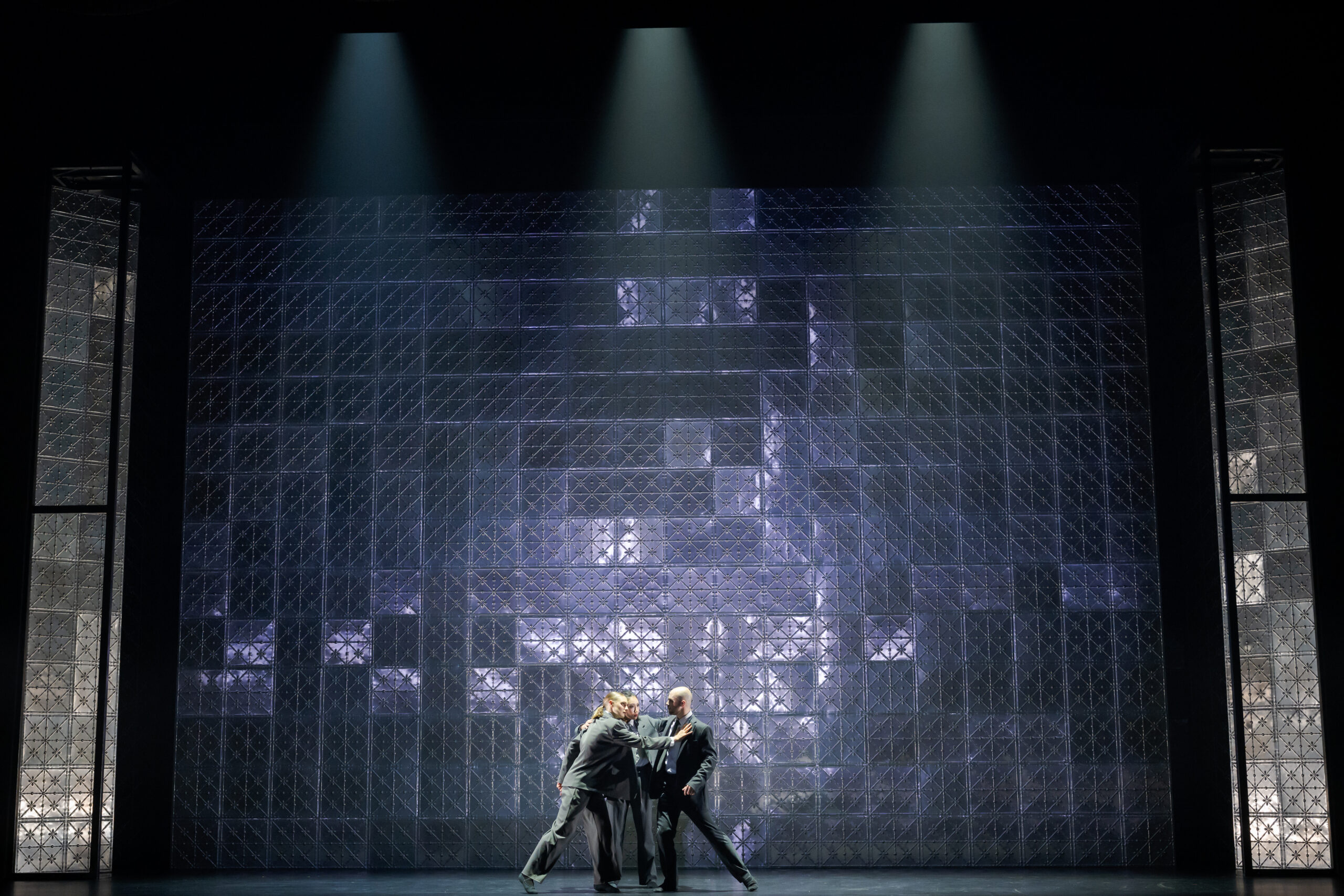
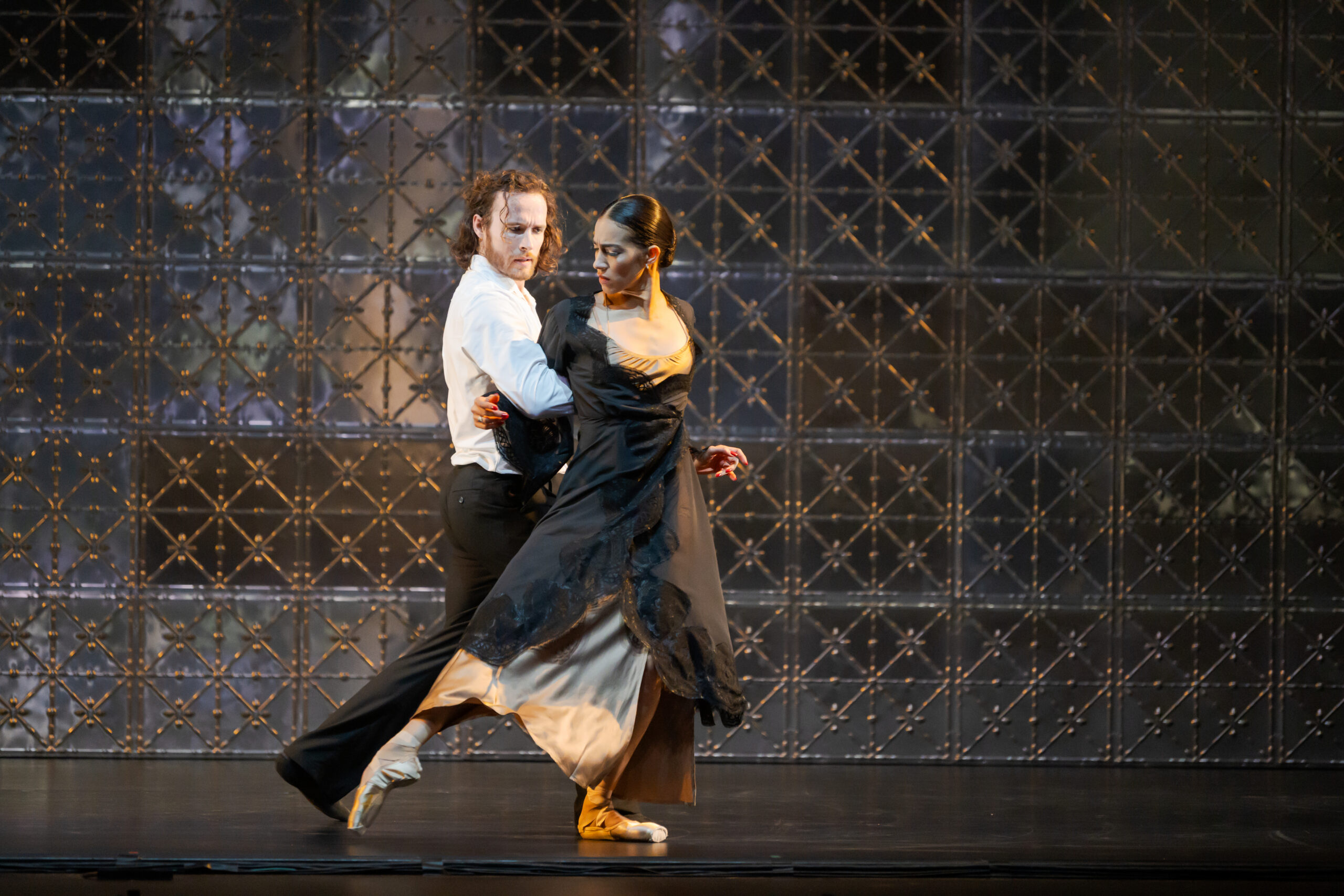
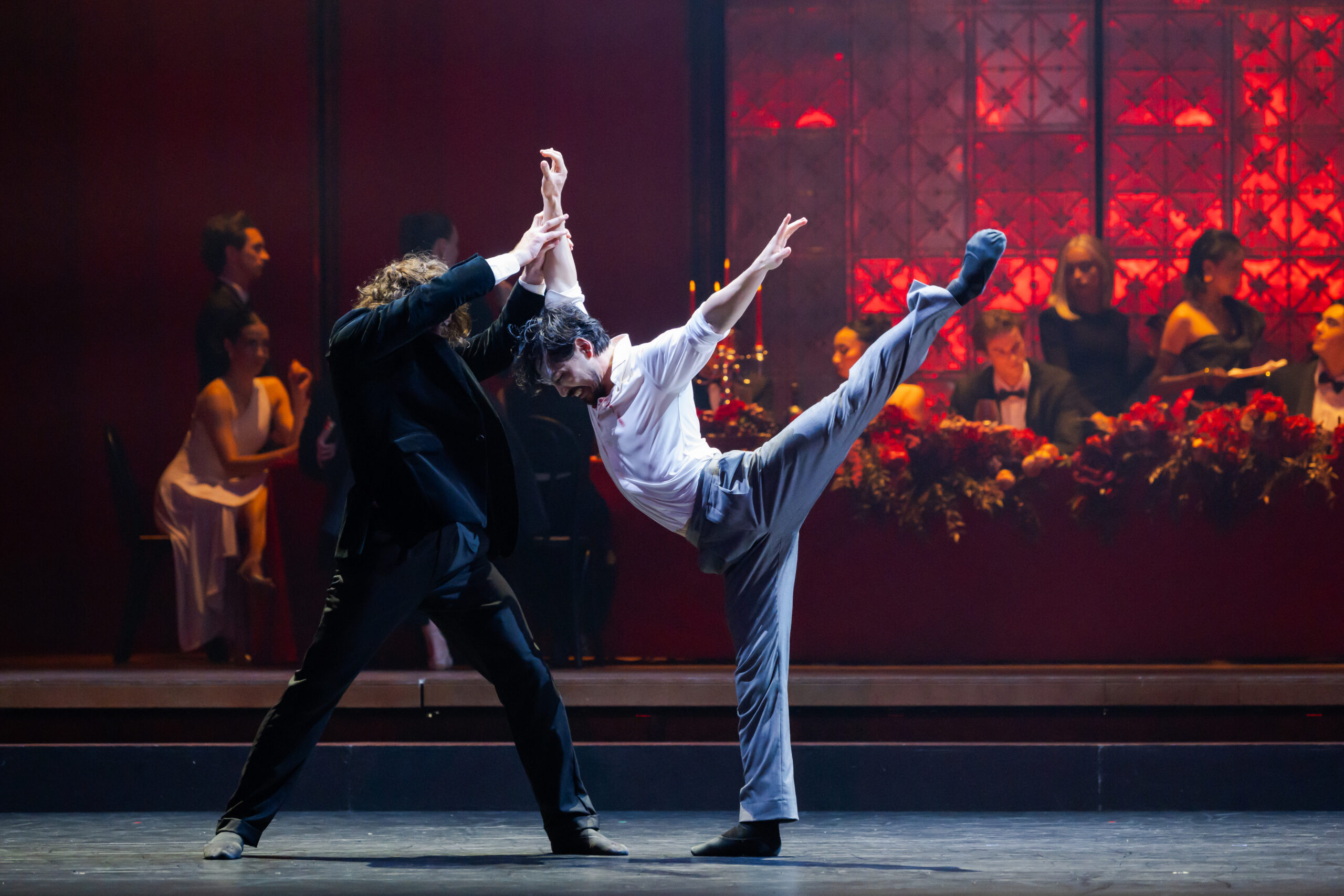
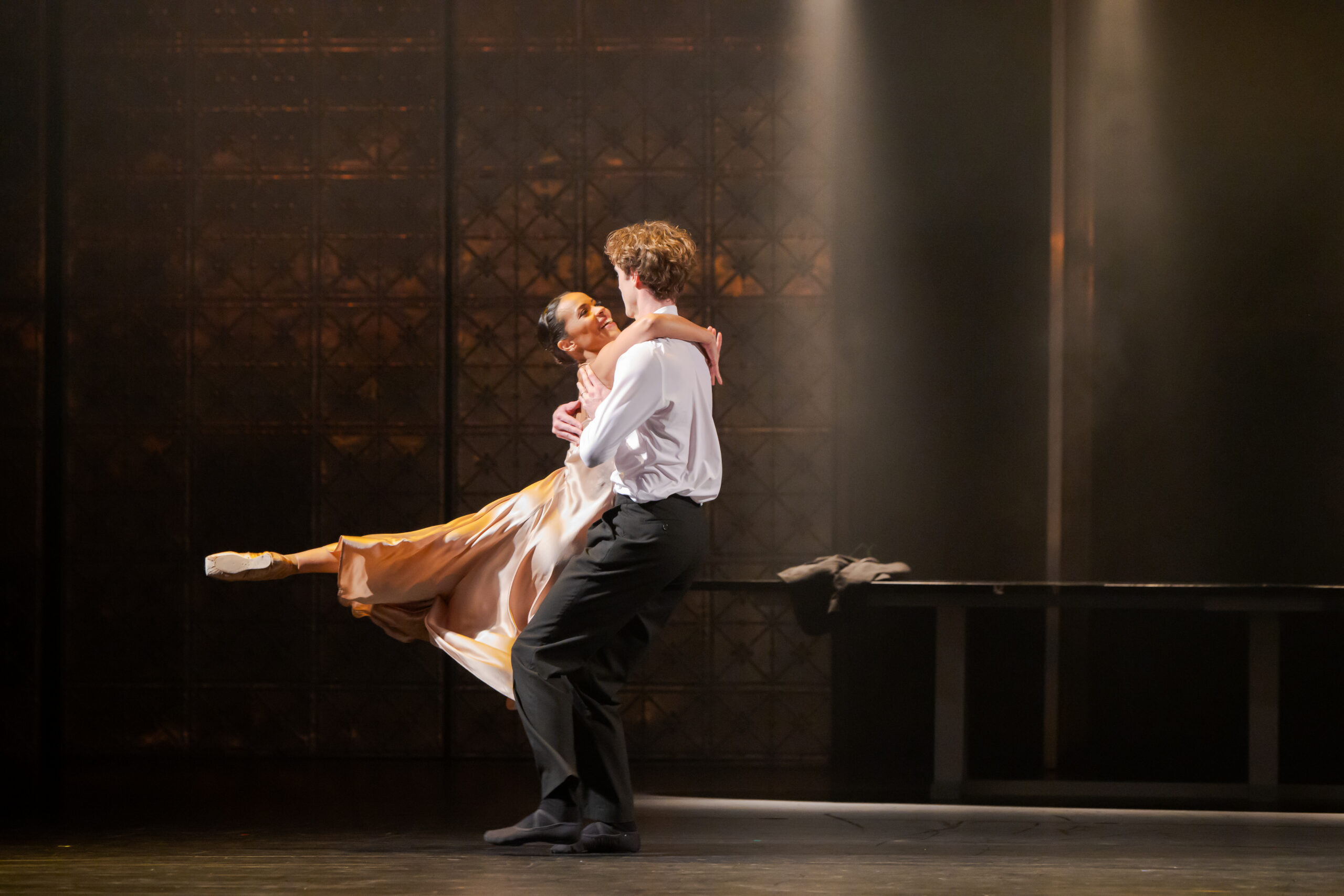
Macbeth by the Royal New Zealand Ballet, photographed 24 February 2026, Wellington, NZ. Choreography by Alice Topp. Photo credit: Stephen A’Court.
Once the tiles were pressed, how did they come together as panels?
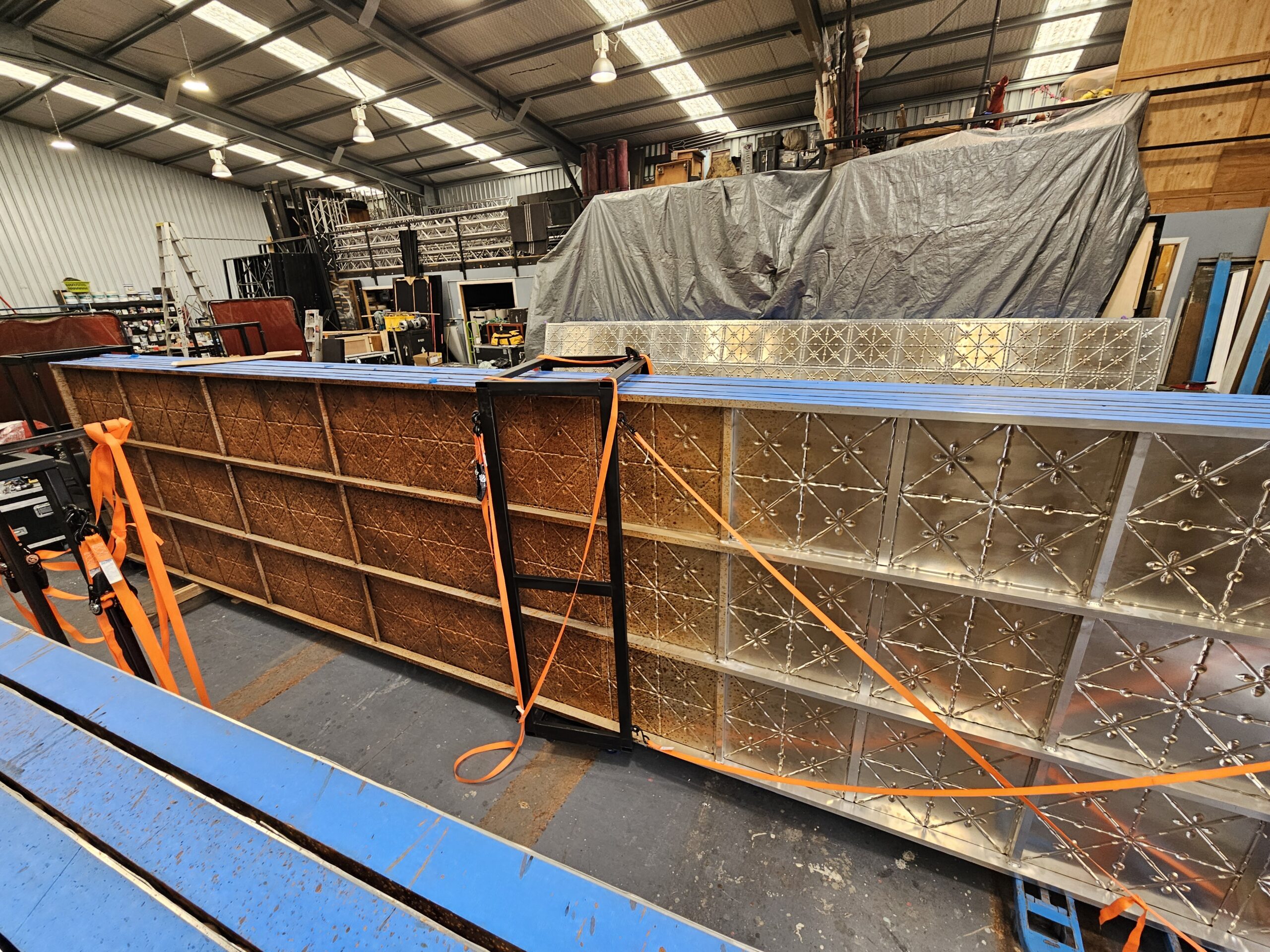
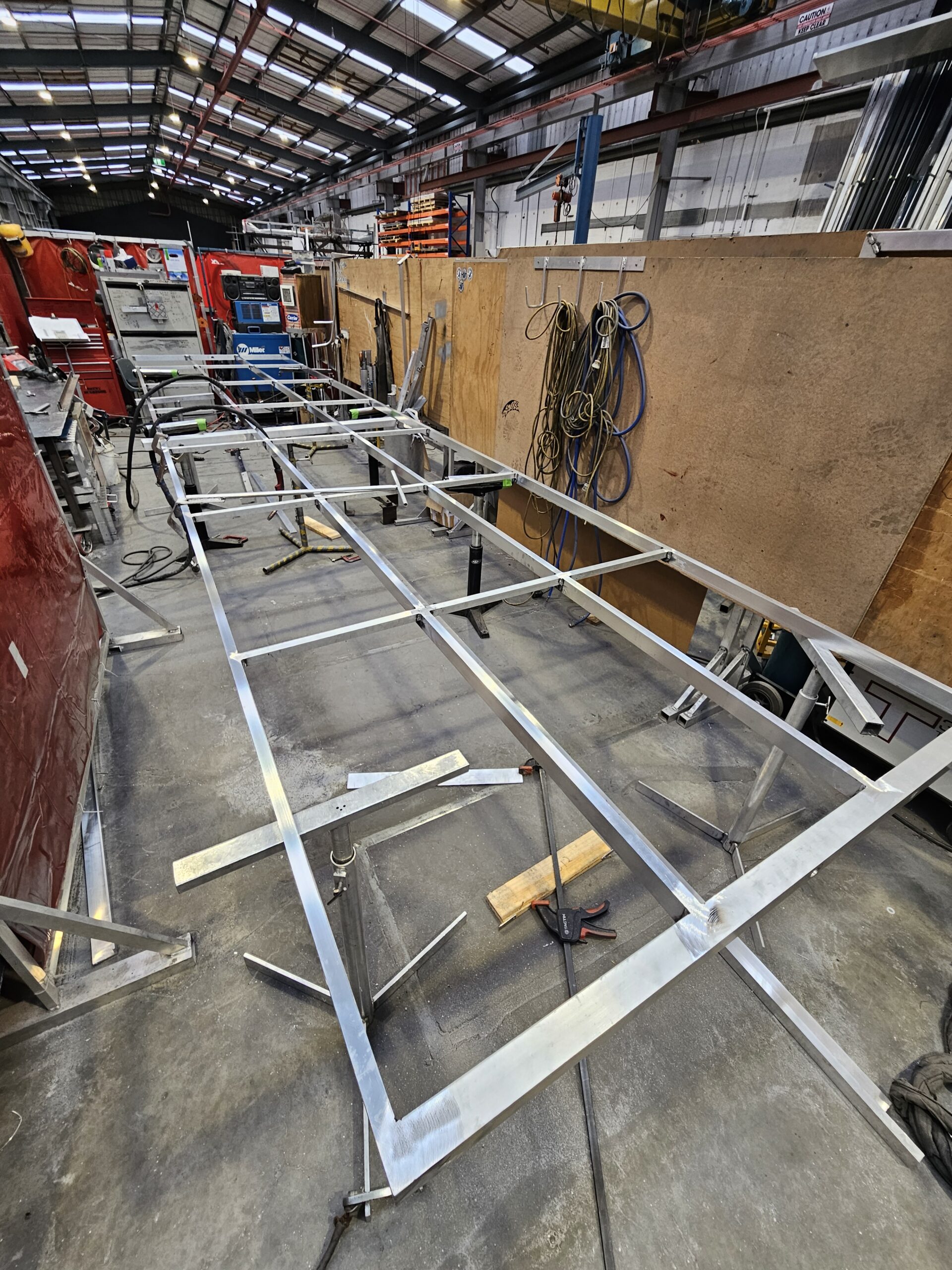
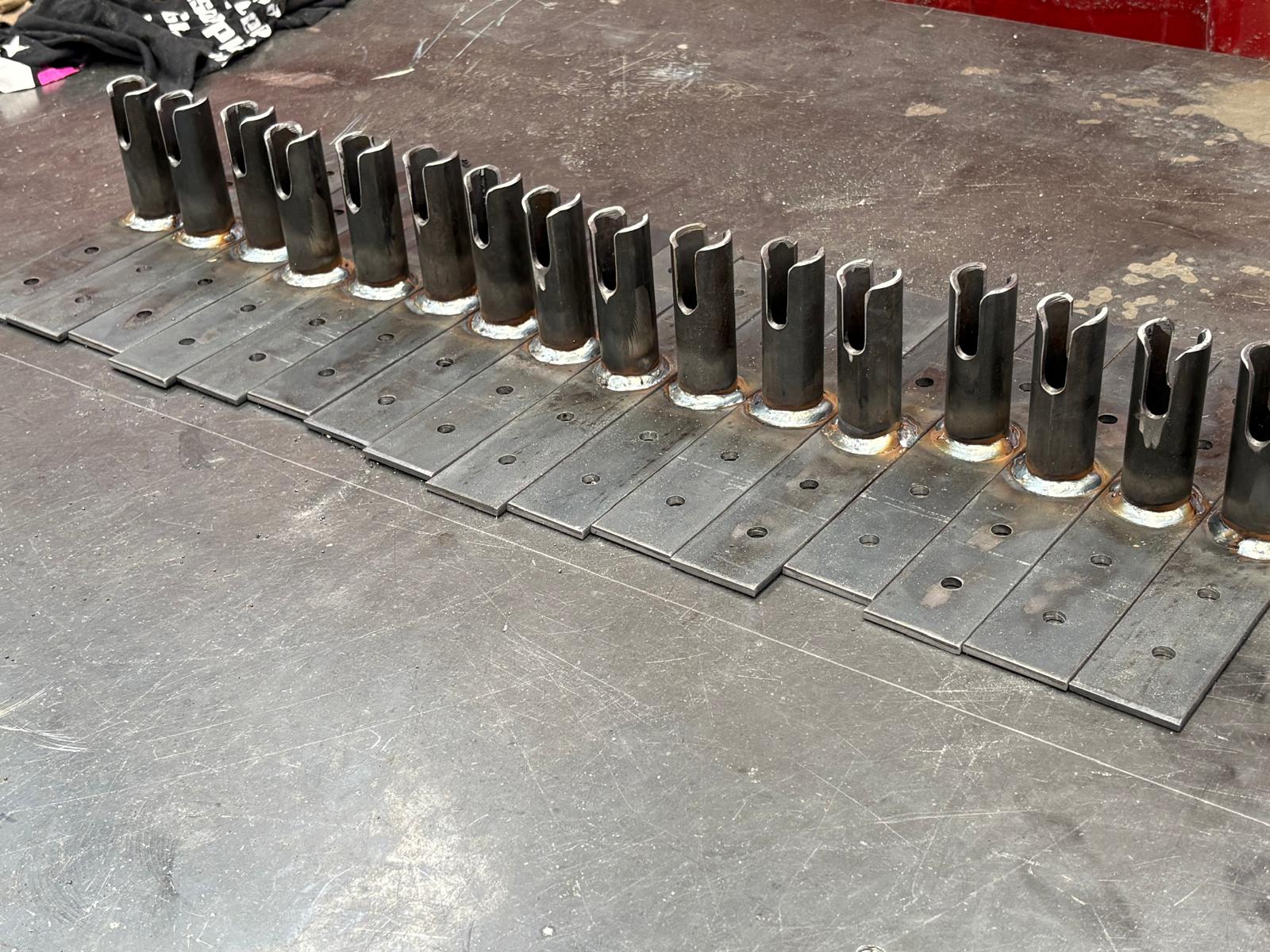
The tiles were drilled and riveted into large aluminium frames, each with a spigot at the top that sits within a motor, and a bearing at the base. That’s what gives them their rotational ability – the set can adapt depending on the scene and the lighting required, which was a really exciting part of the design.
There’s also artwork on the back of the panels – tell me about that.
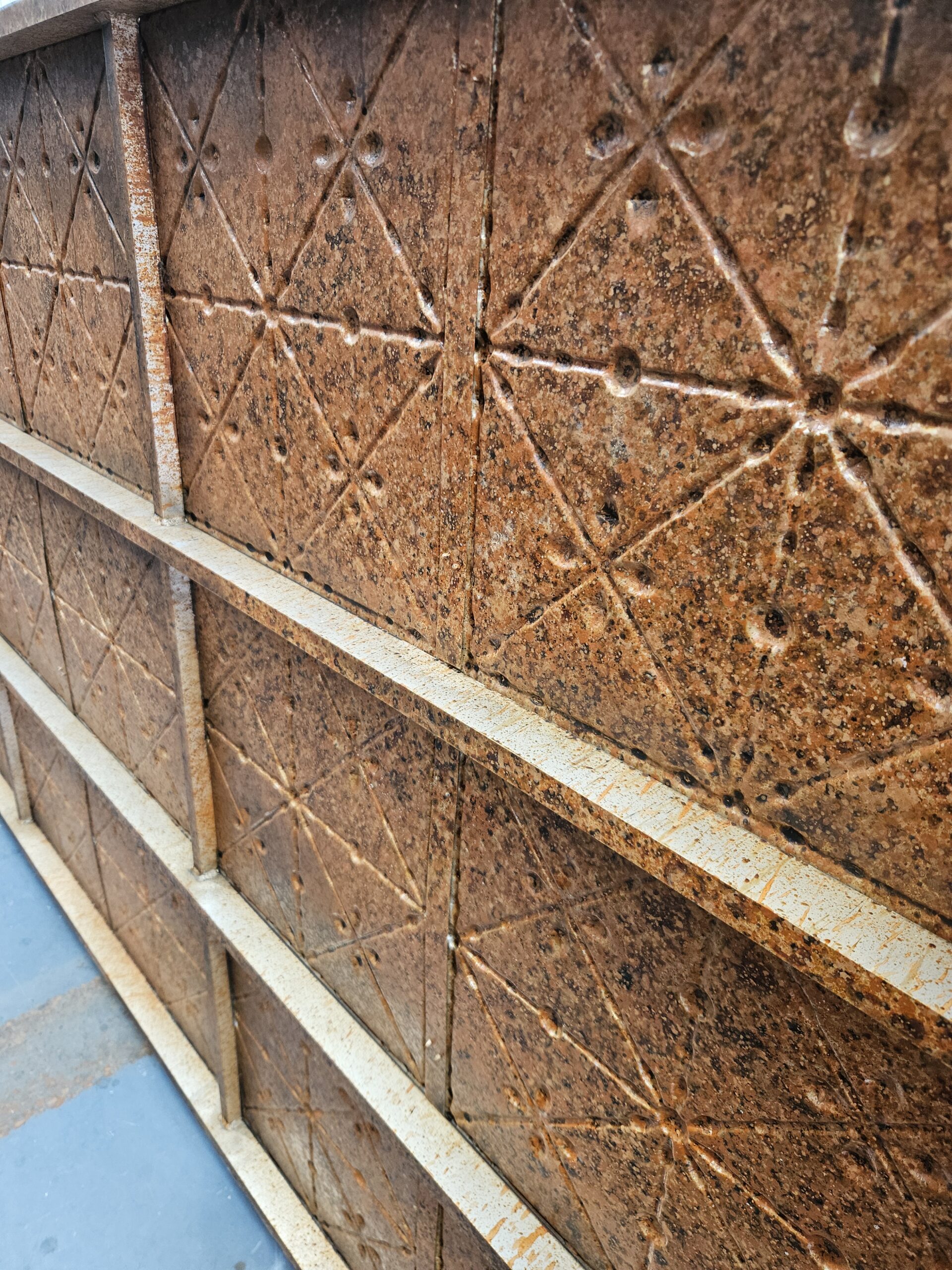
The artwork was completed by RNZB Scenic Artist Fraser Anderson and it reflects the rusted, decayed nature of Macbeth’s descent into madness. For our team, seeing that work come together was a real highlight – we’d been striving for perfection in the metalwork, and then to have the paint applied was both incredible and, in a strange way, heartbreaking. You work so hard to make something pristine, and then it’s beautifully destroyed. Which, when you think about it, is exactly what the show is about.
After nine months of development, what was it like to finally see it on stage?
Dean and I had the privilege of seeing the performance in person and we were simply blown away. It’s remarkable how a bit of aluminium metalwork can transform a show – the panels weren’t just a backdrop, they felt like part of the character development. Almost another character in the story entirely. We’re incredibly proud to have been part of this show’s journey, and there’s something pretty special about knowing a little bit of the Hutt Valley is now going to travel, hopefully, to a few different parts of the world.
The Making of the Panels
The Panels on Stage
Huge thanks to the team at Steel E.D & Patton for bringing Jon’s breathtaking vision to life for audiences across Aotearoa. Macbeth in association with Avis will be touring the country until the 21st of March 2026. More information on Macbeth can be found below.