Spotlight: Victoria Gridley, Milliner and Costume Props Specialist
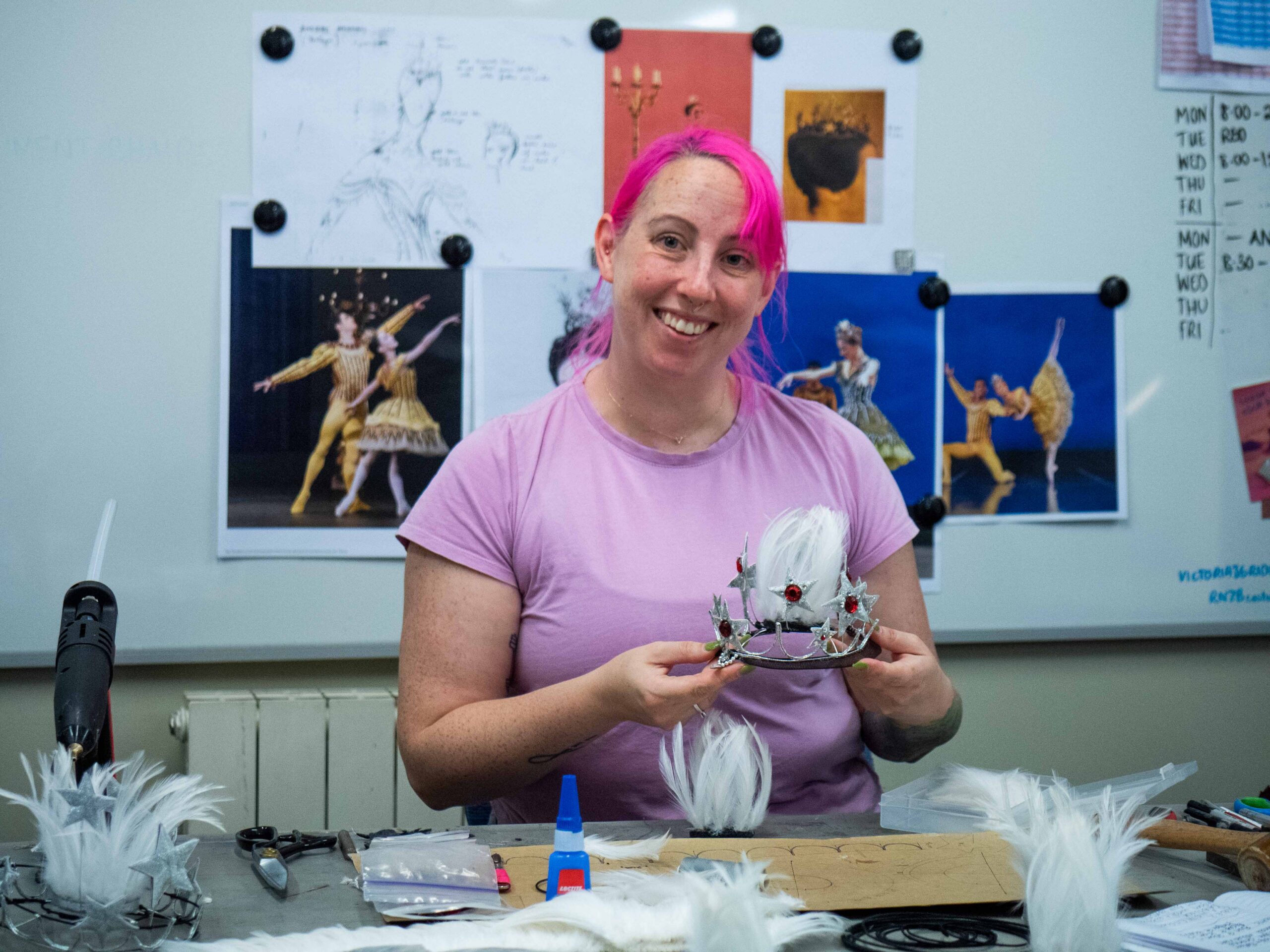
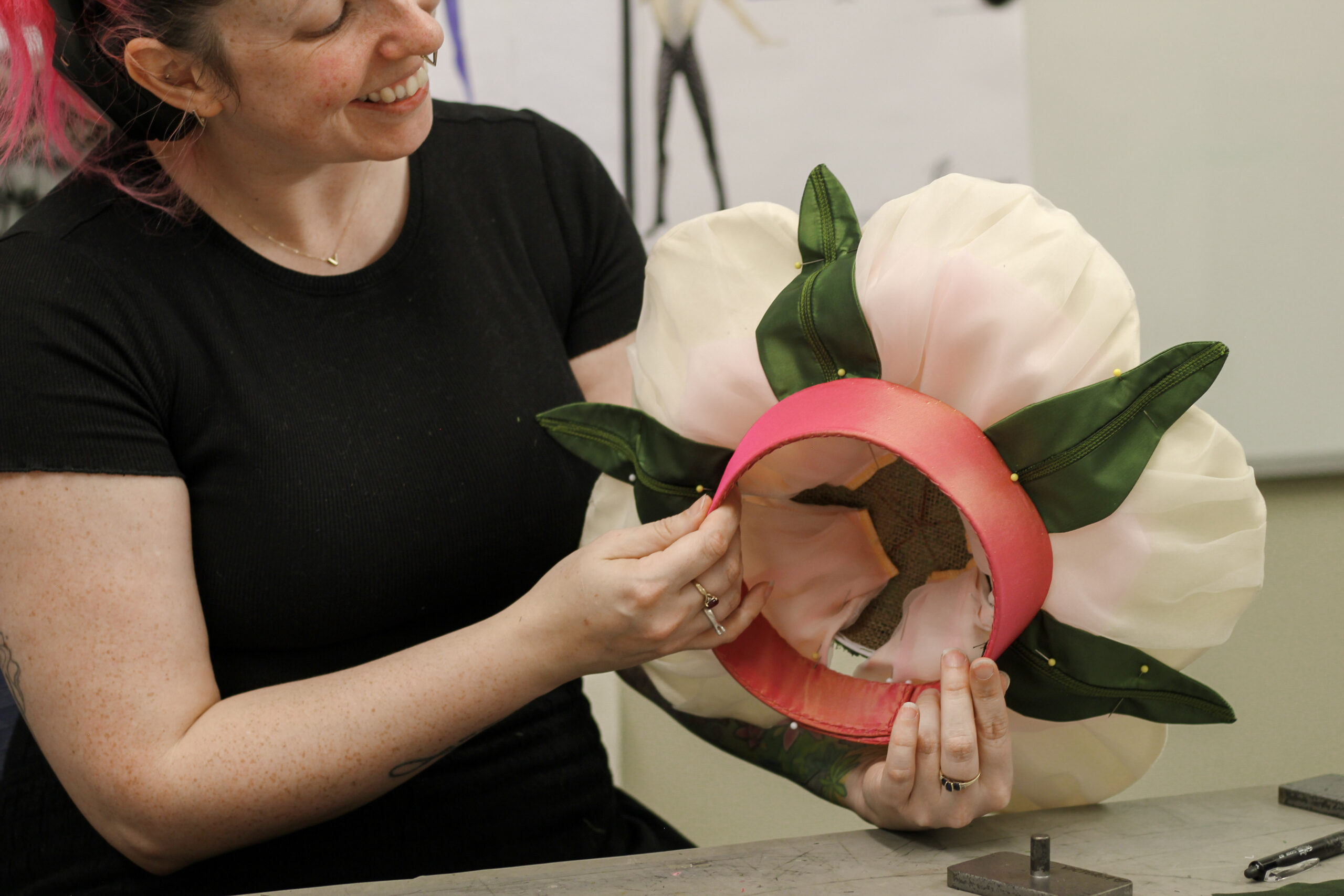
Victoria Gridley with a mock-up Birthday Offering headpiece, Costume workshop at RNZB Studios in Wellington, 2026. Photo: Dan Harris
Victoria Gridley has recently been appointed RNZB’s Milliner and Costume Props Specialist, having worked with the company for many years as a freelance artist across 13 productions.
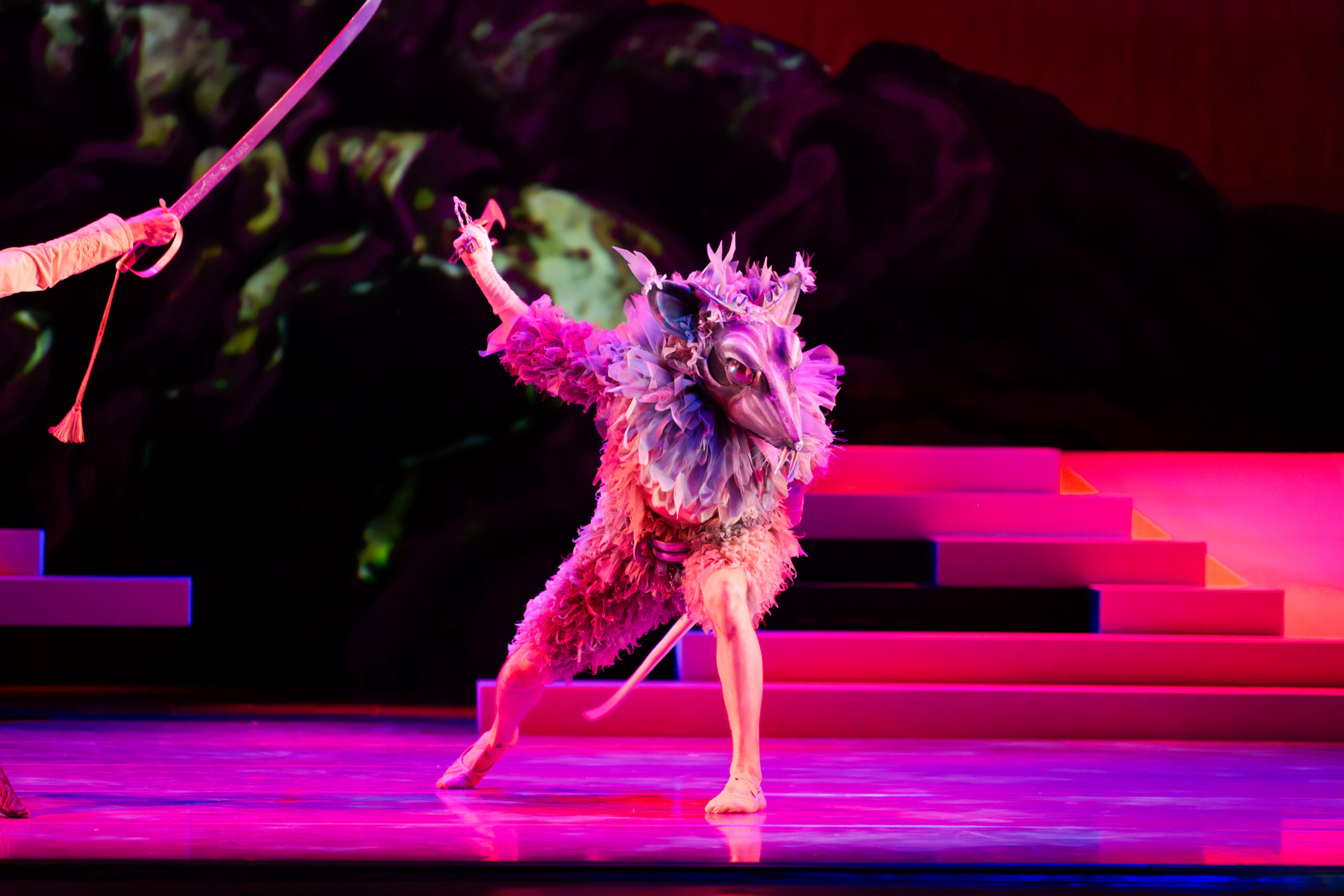
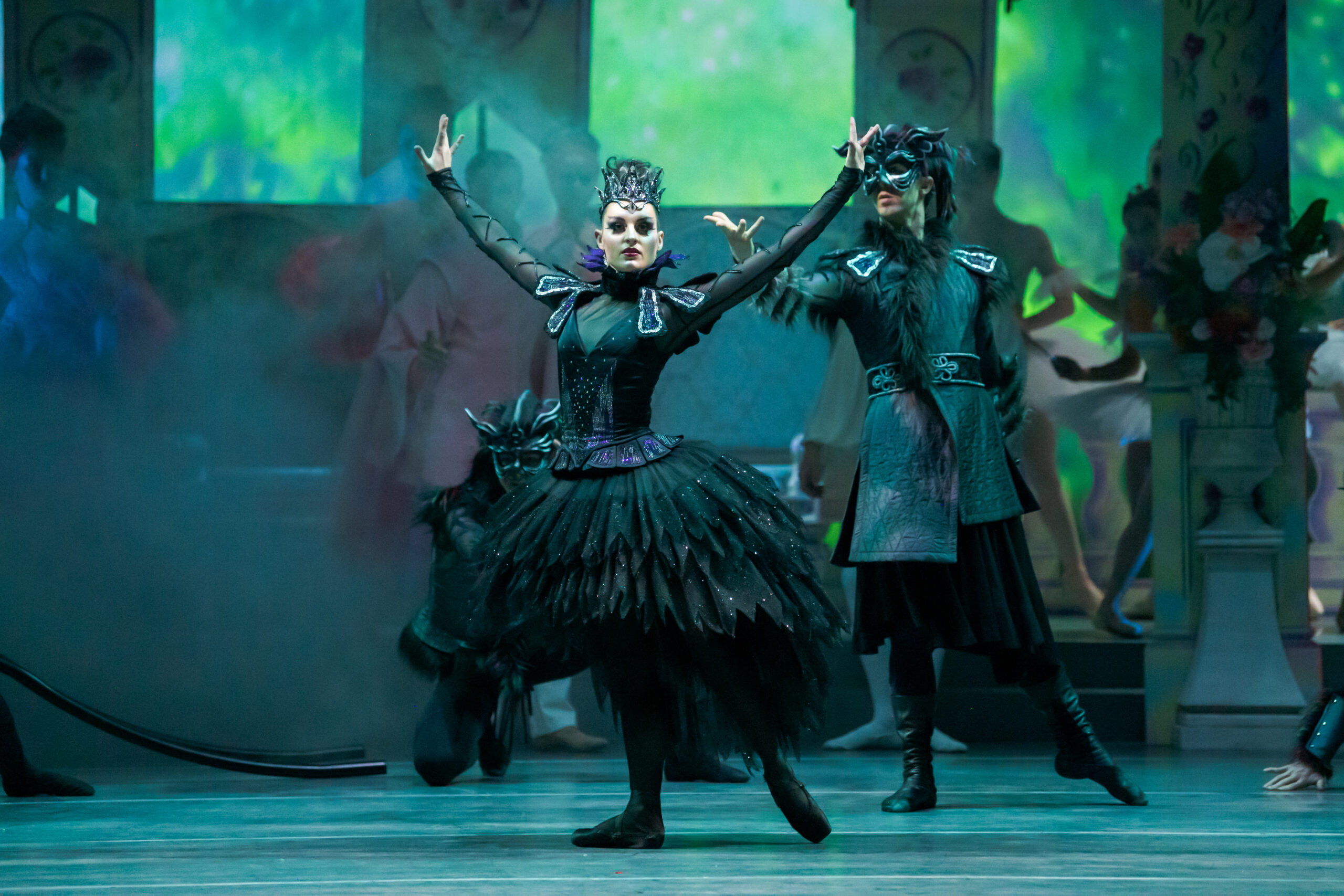
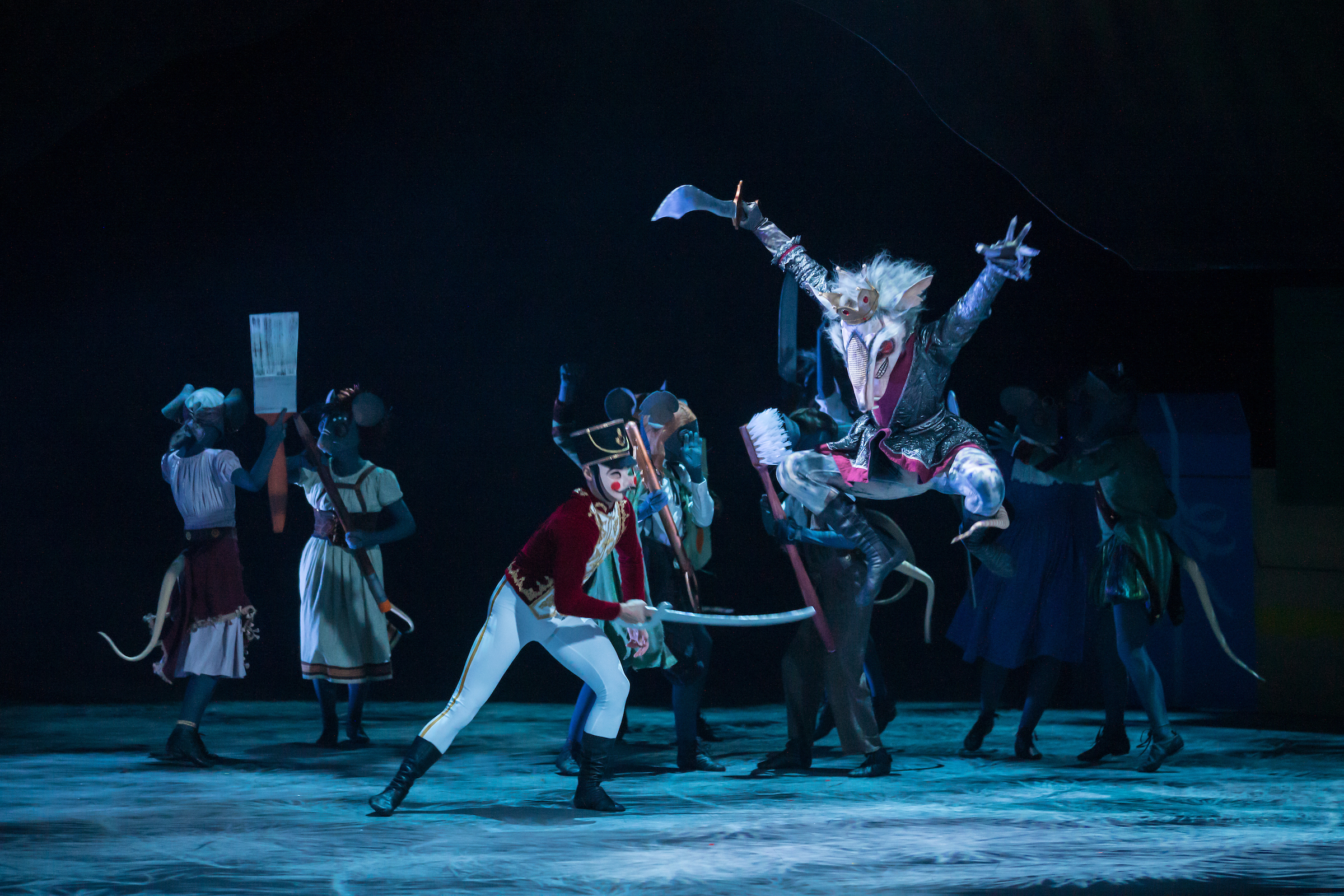
From giant rat heads to delicate tiaras, Victoria brings imagination, precision and a wonderful sense of play to the RNZB stage. As a milliner, costume props artisan and designer, she specialises in creating the extraordinary pieces that help dancers transform into critters, queens and storybook characters.
Victoria is currently creating the intricate headpieces for Birthday Offering, which will be performed as part of RNZB’s Winter Season in July. We spoke with Victoria about some of the memorable RNZB productions she has worked on, her dream project, and how she creates headpieces that can withstand the rigours of performance.
What was your training to become a milliner and props specialist?
I studied costume construction at Toi Whakaari in Wellington in 2015 and 2016. Millinery was part of my studies, and something I went on to specialise in further during my training. Since graduation, most of my work has been between the ballet, film, television and theatre, mainly in the roles of millinery and costume props. I’ve been very lucky to get to work in my favourite niche fields.
How long have you worked for the RNZB? Tell us about some of the most memorable productions you have worked on.
My first job with the RNZB was on Romeo and Juliet, working under Anna Deacon [pattern maker and principal men’s cutter] and Jane Boocock [milliner] as an assistant cutter and assistant milliner. Since then, I’ve come back regularly to assist on a wide range of productions.
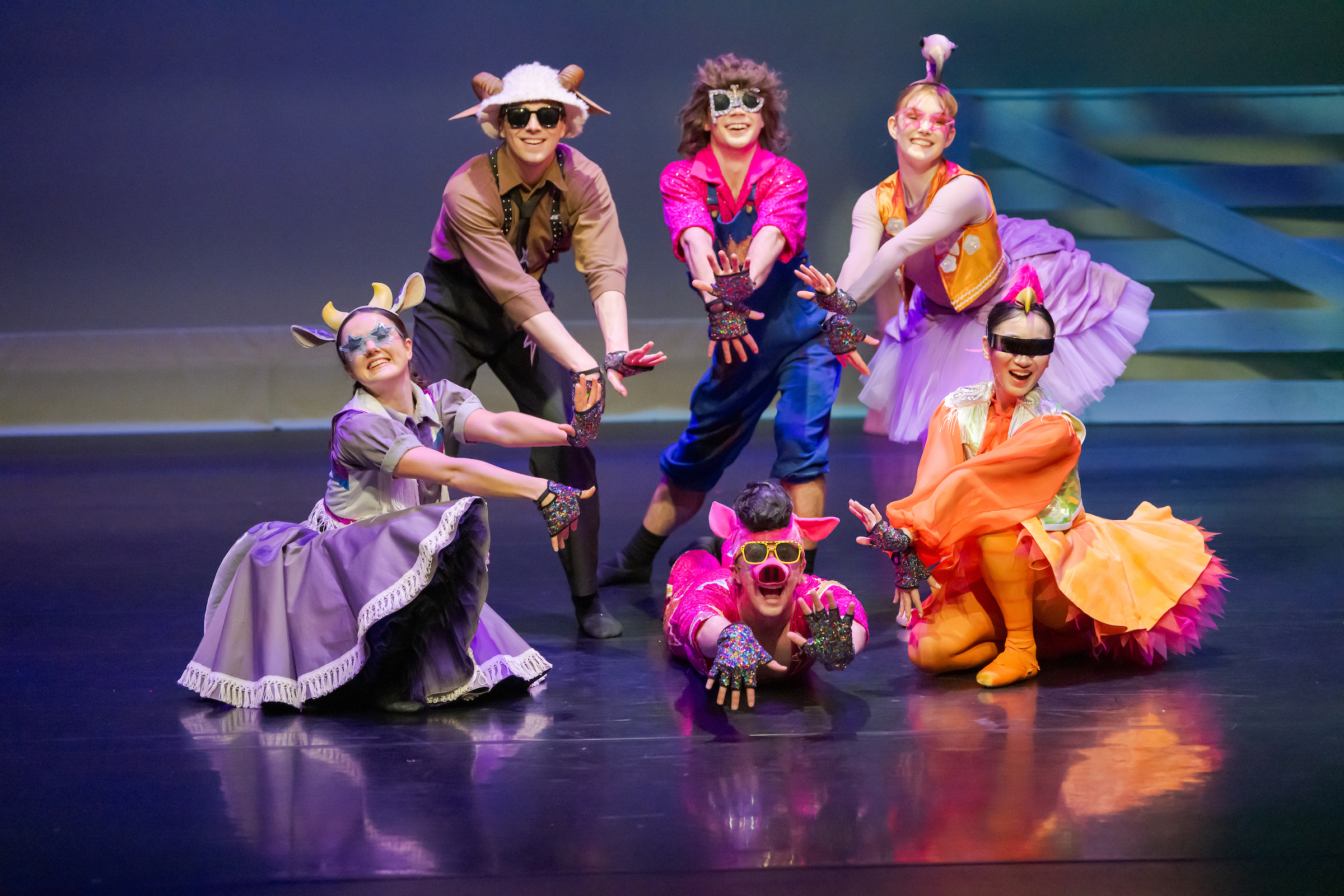
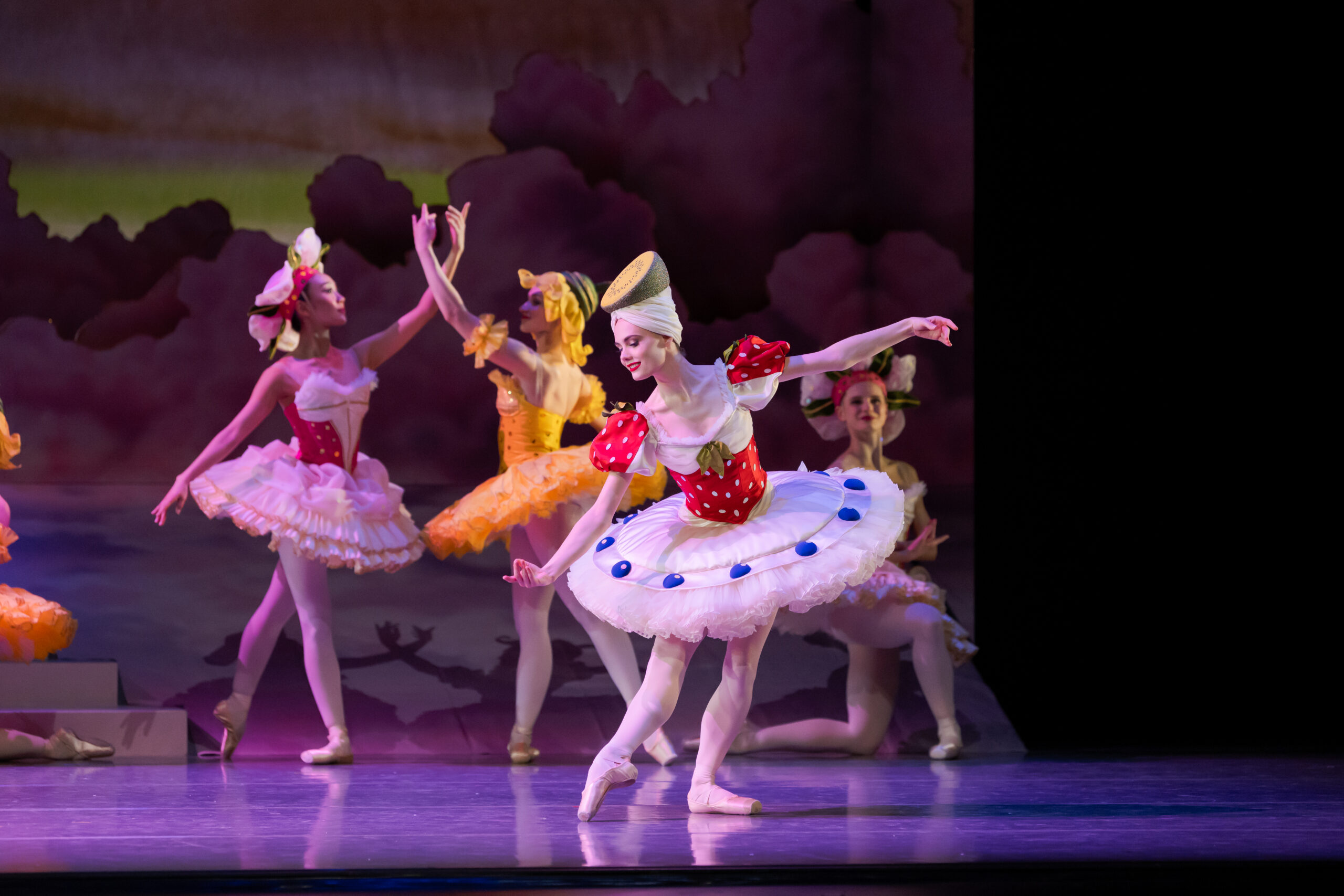
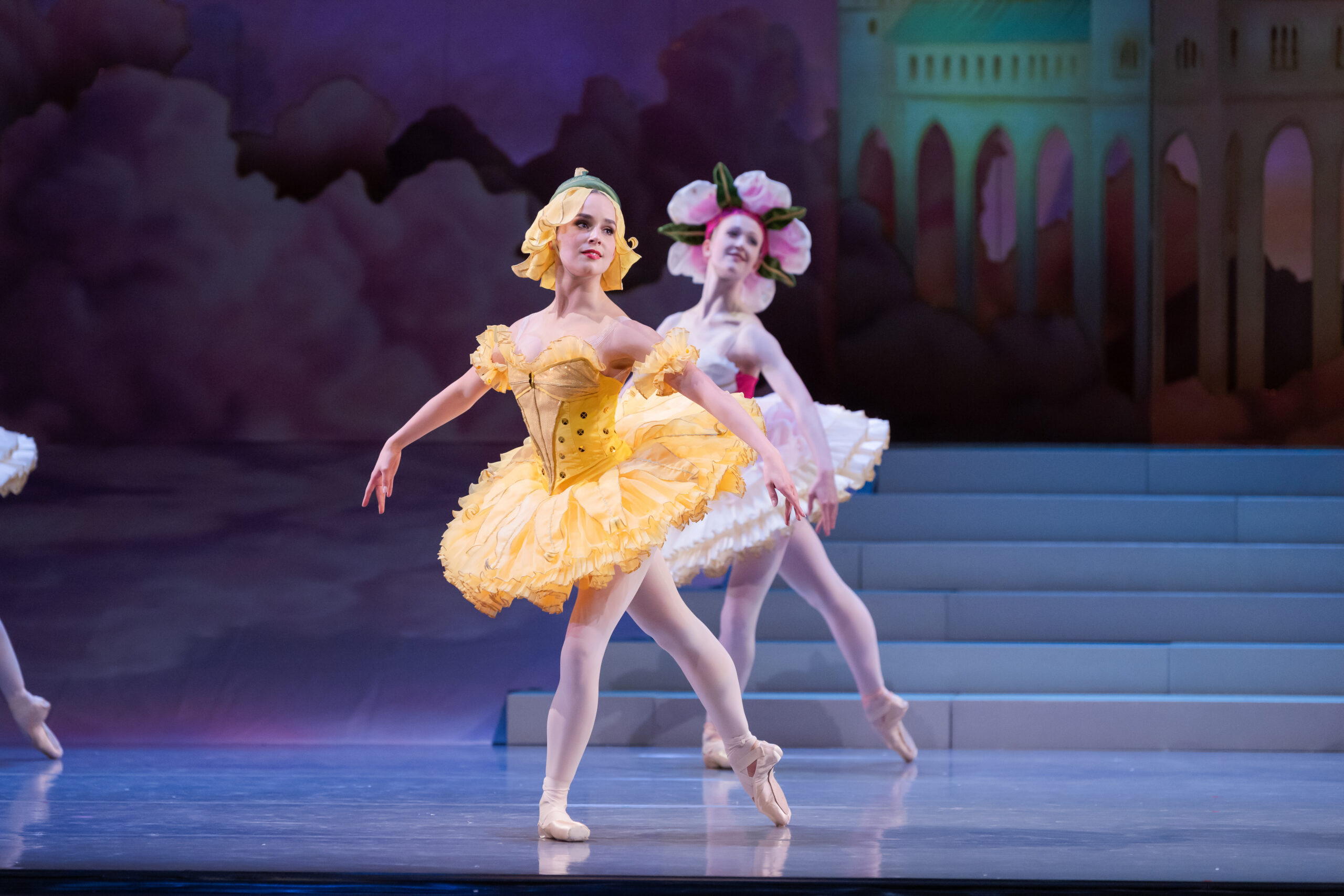
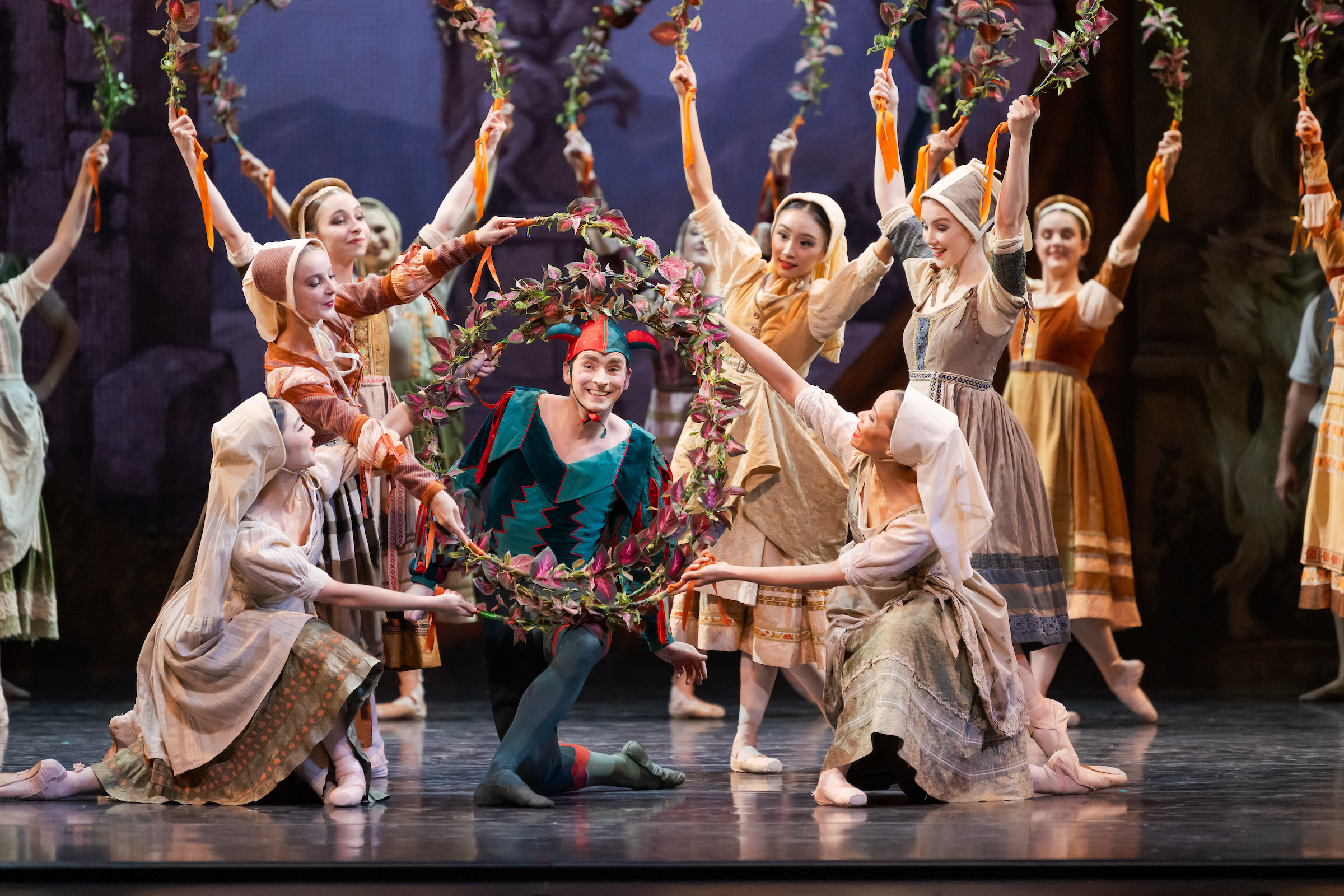
My favourite productions to have worked on are Hansel and Gretel, Dazzlehands and every iteration of the Nutcracker I have been involved with. I really enjoy getting to push the boundaries of traditional ballet and create wild silhouettes, shapes and pieces for all the critters and queens of the stage.
Victoria's design development
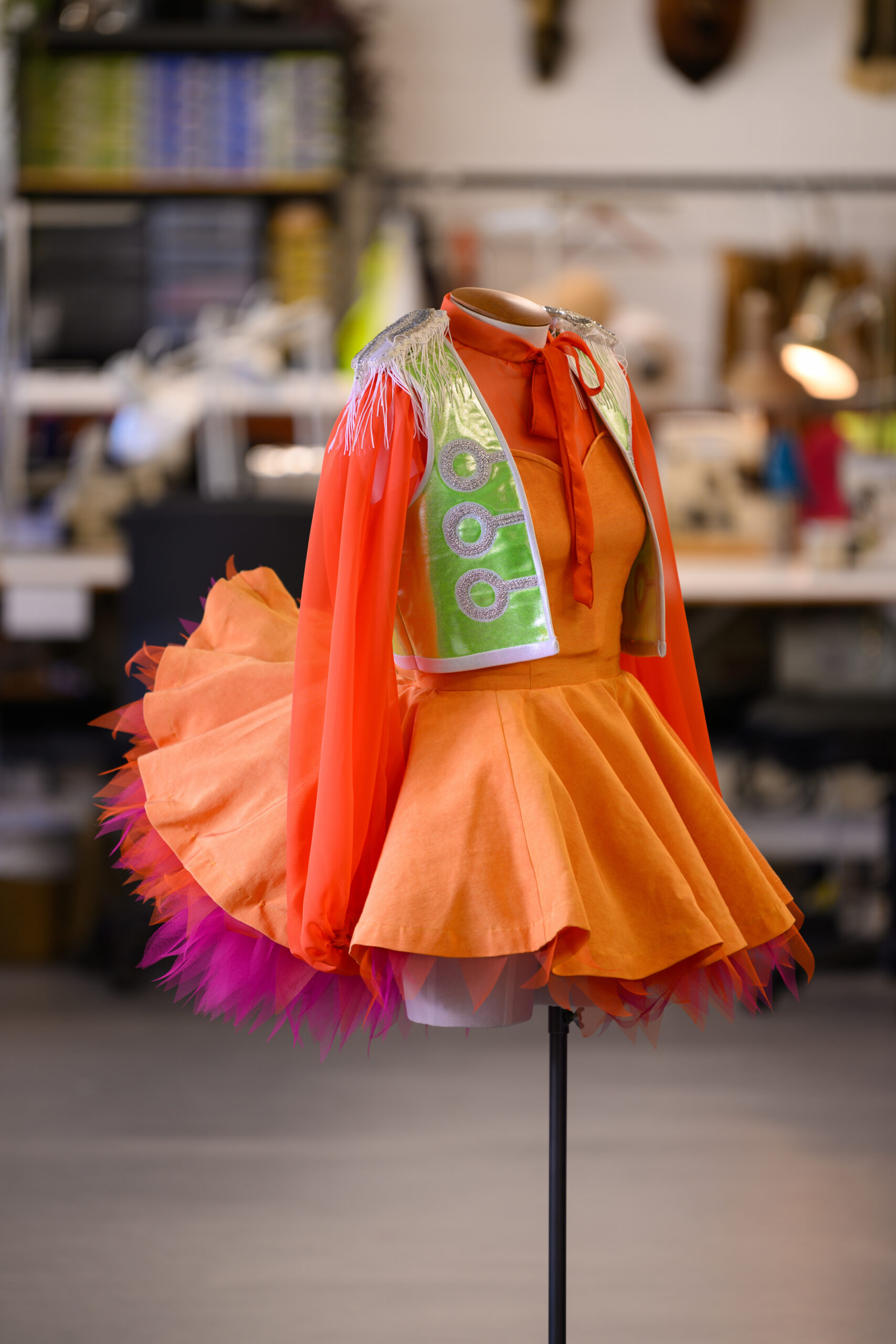
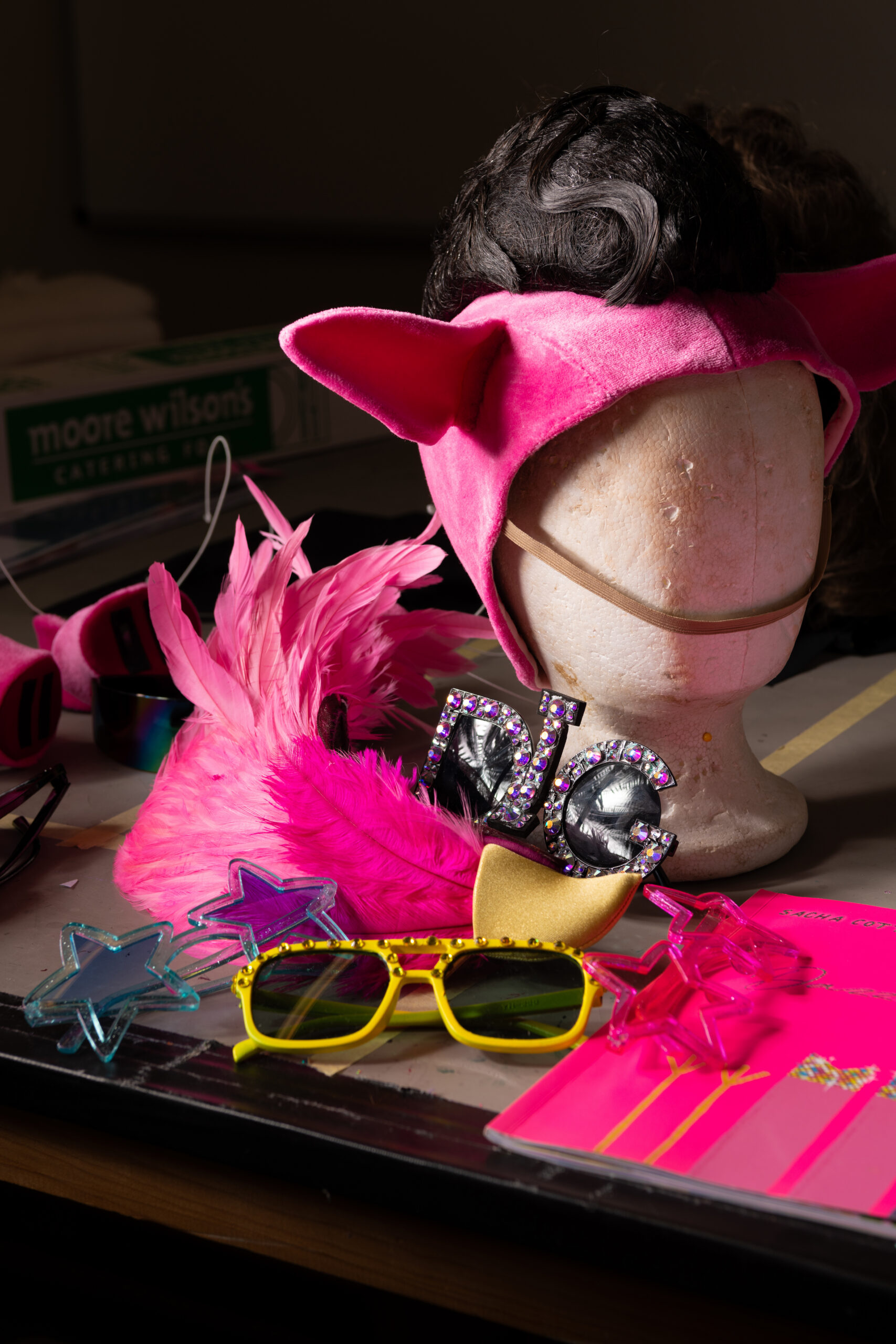
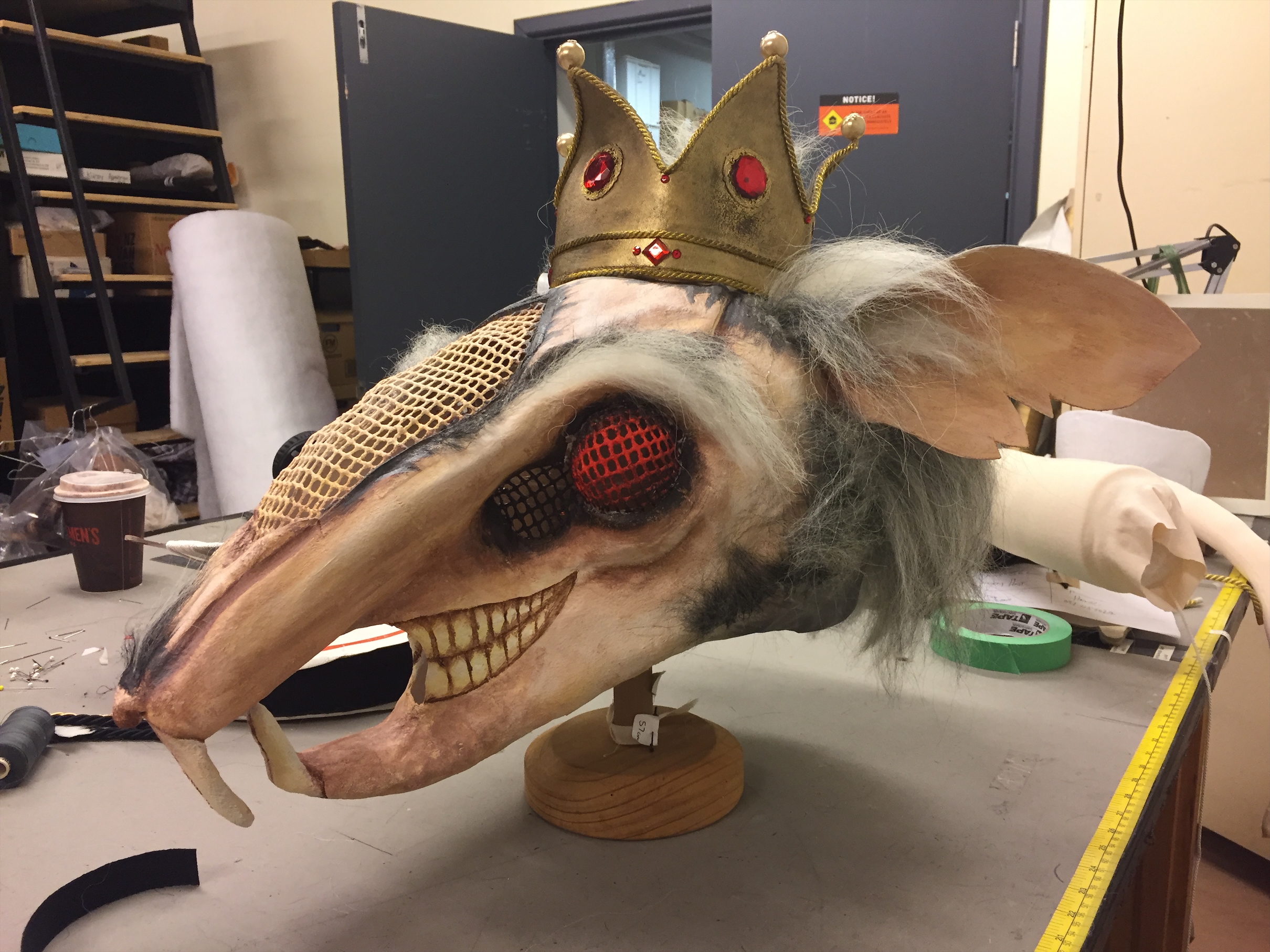
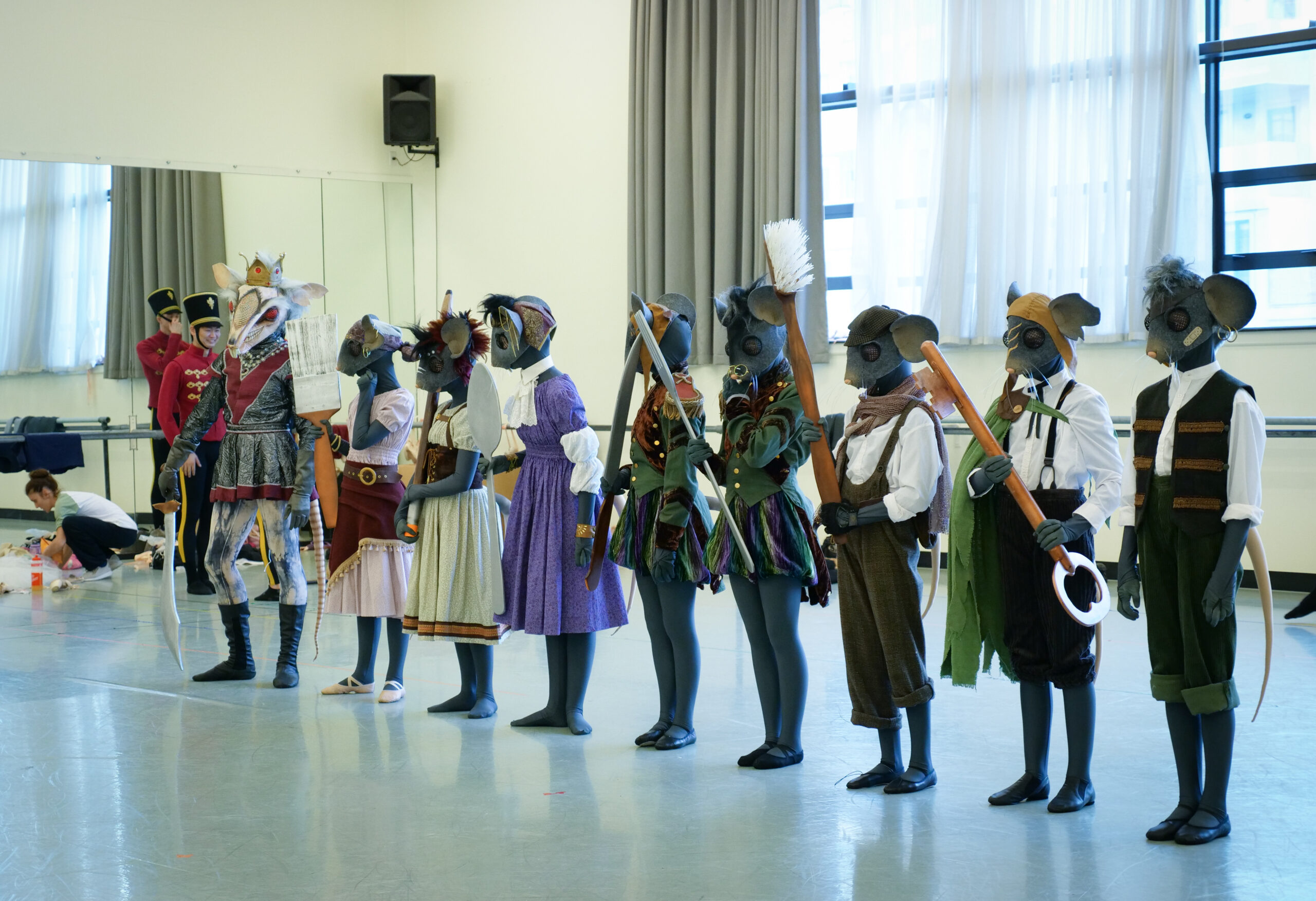
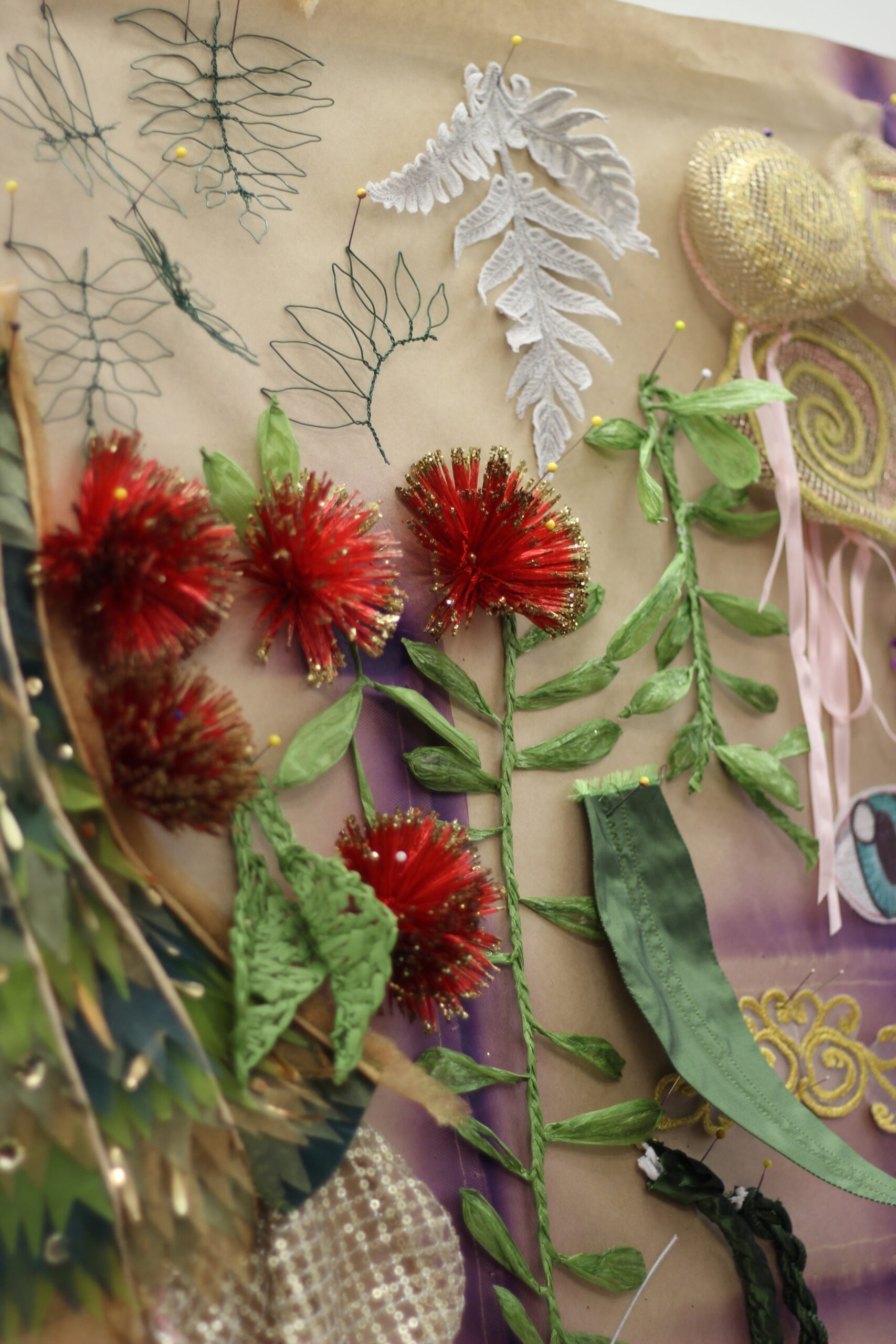
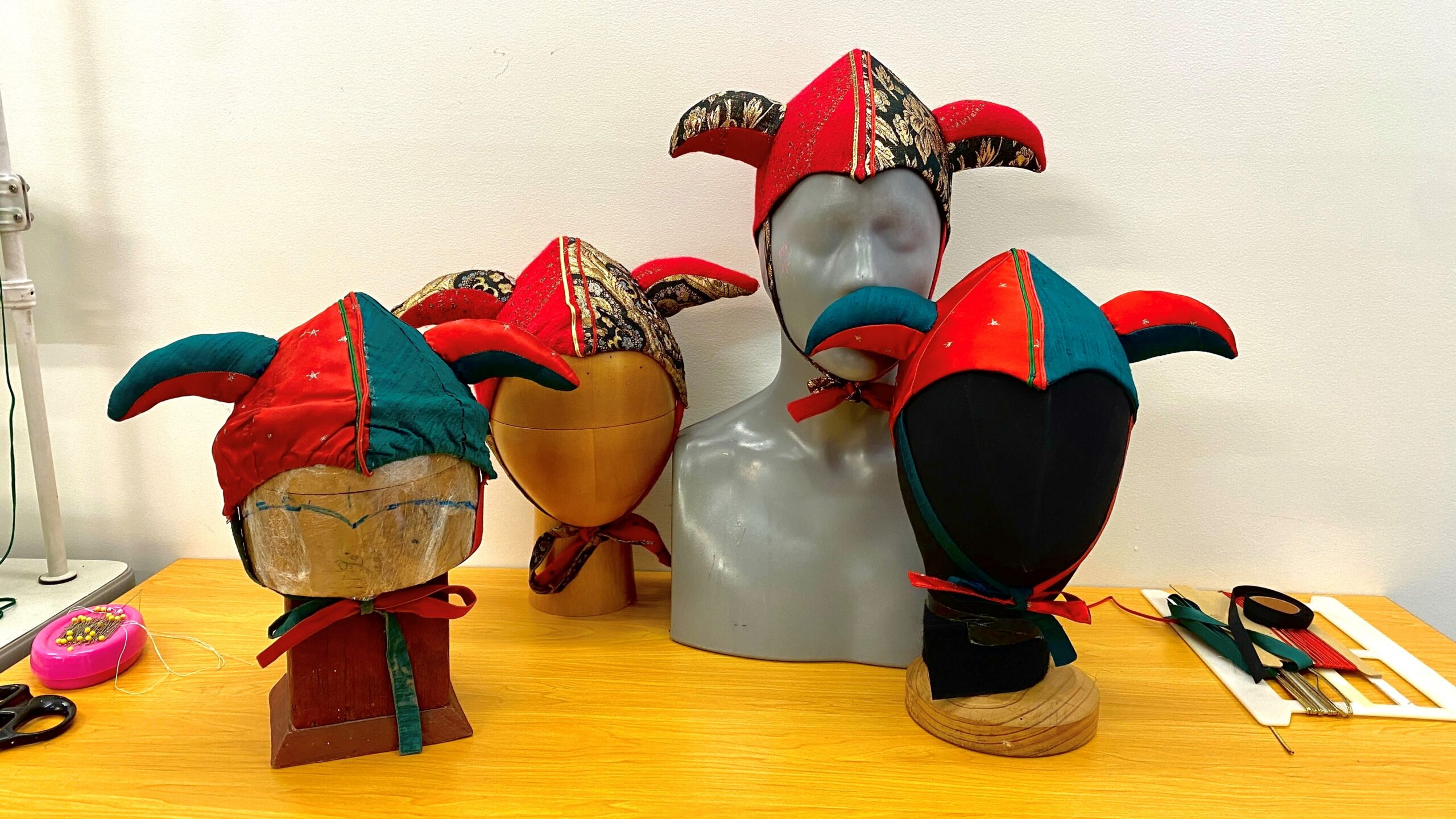
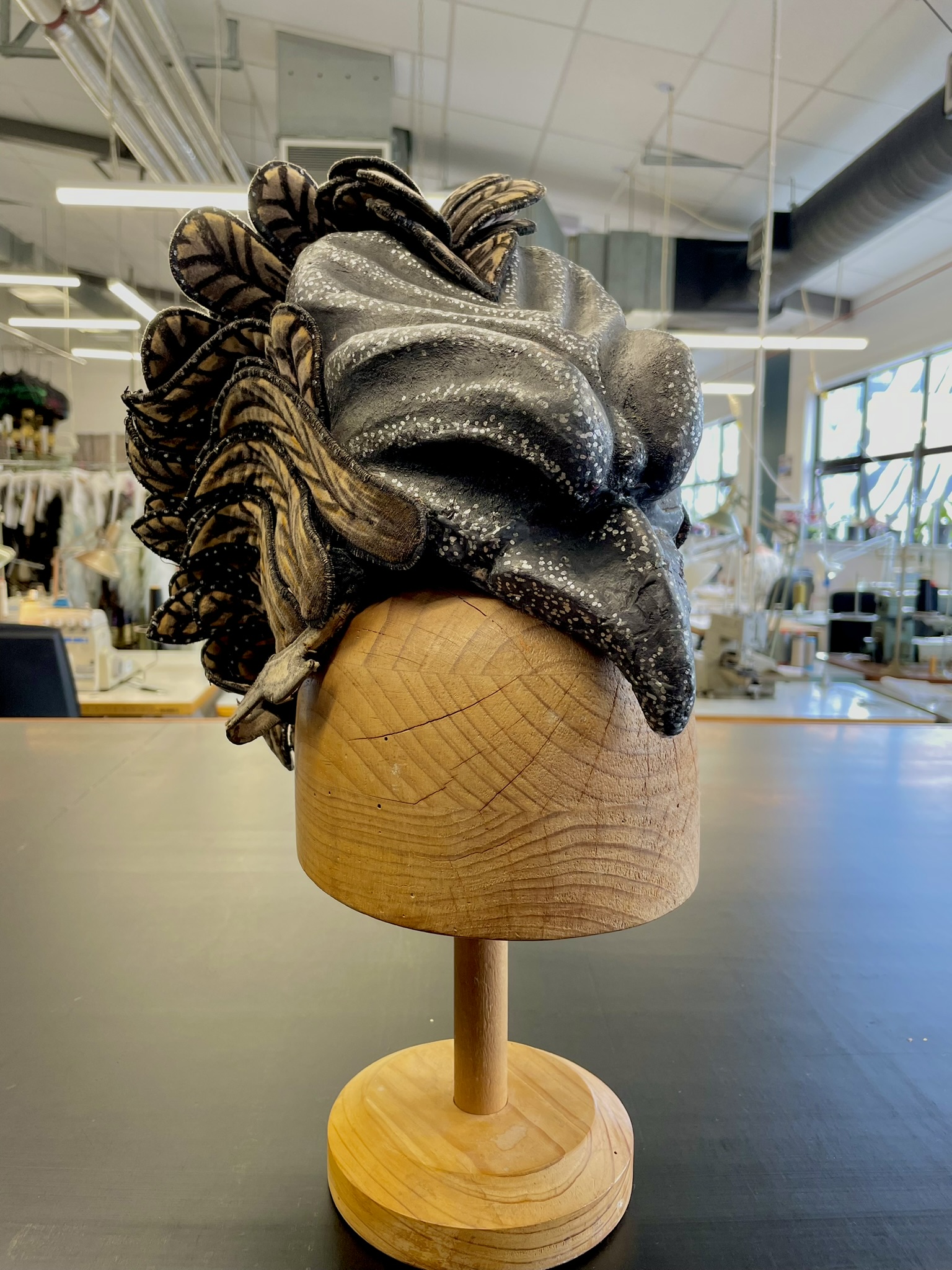
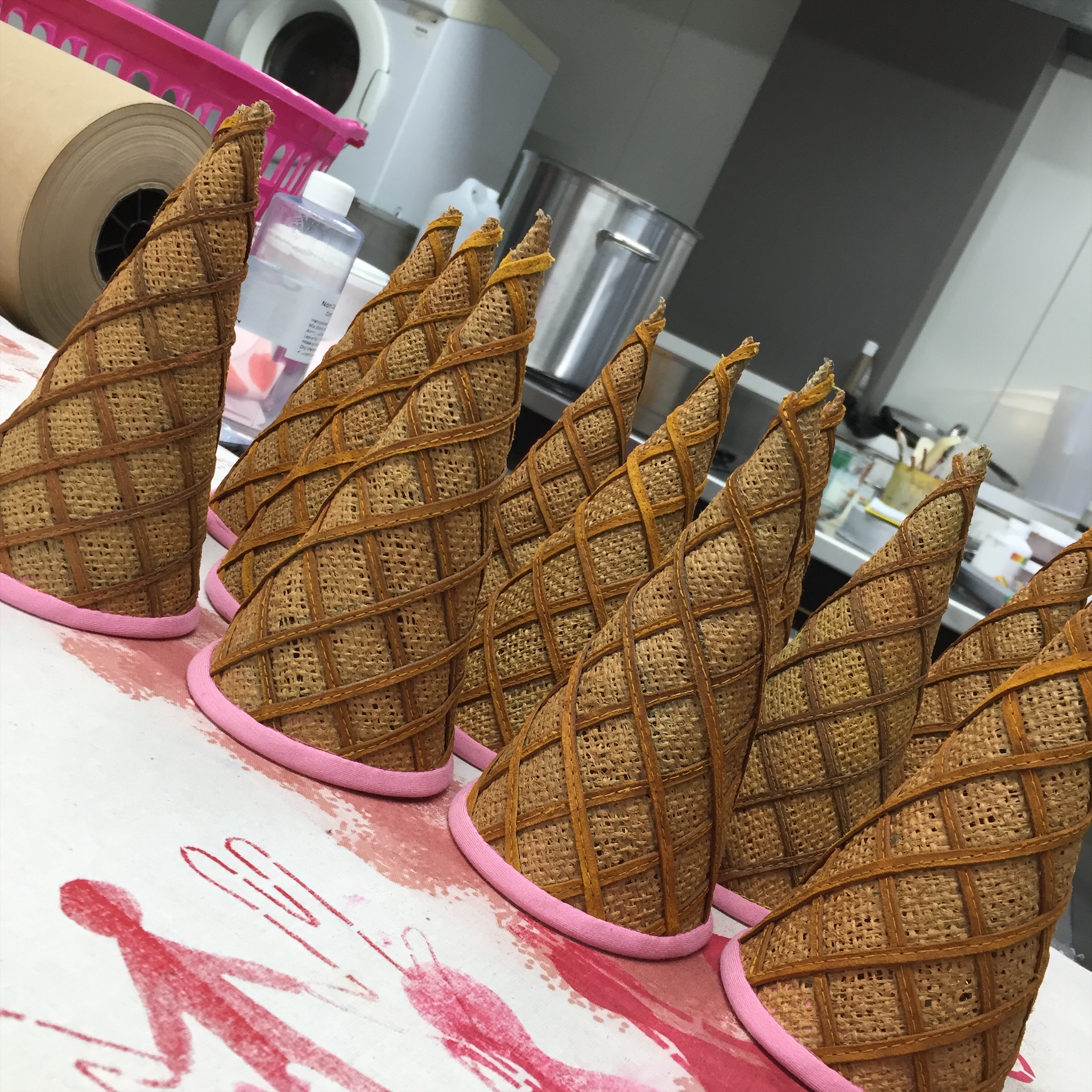
What are some of the key considerations when designing for dancers?
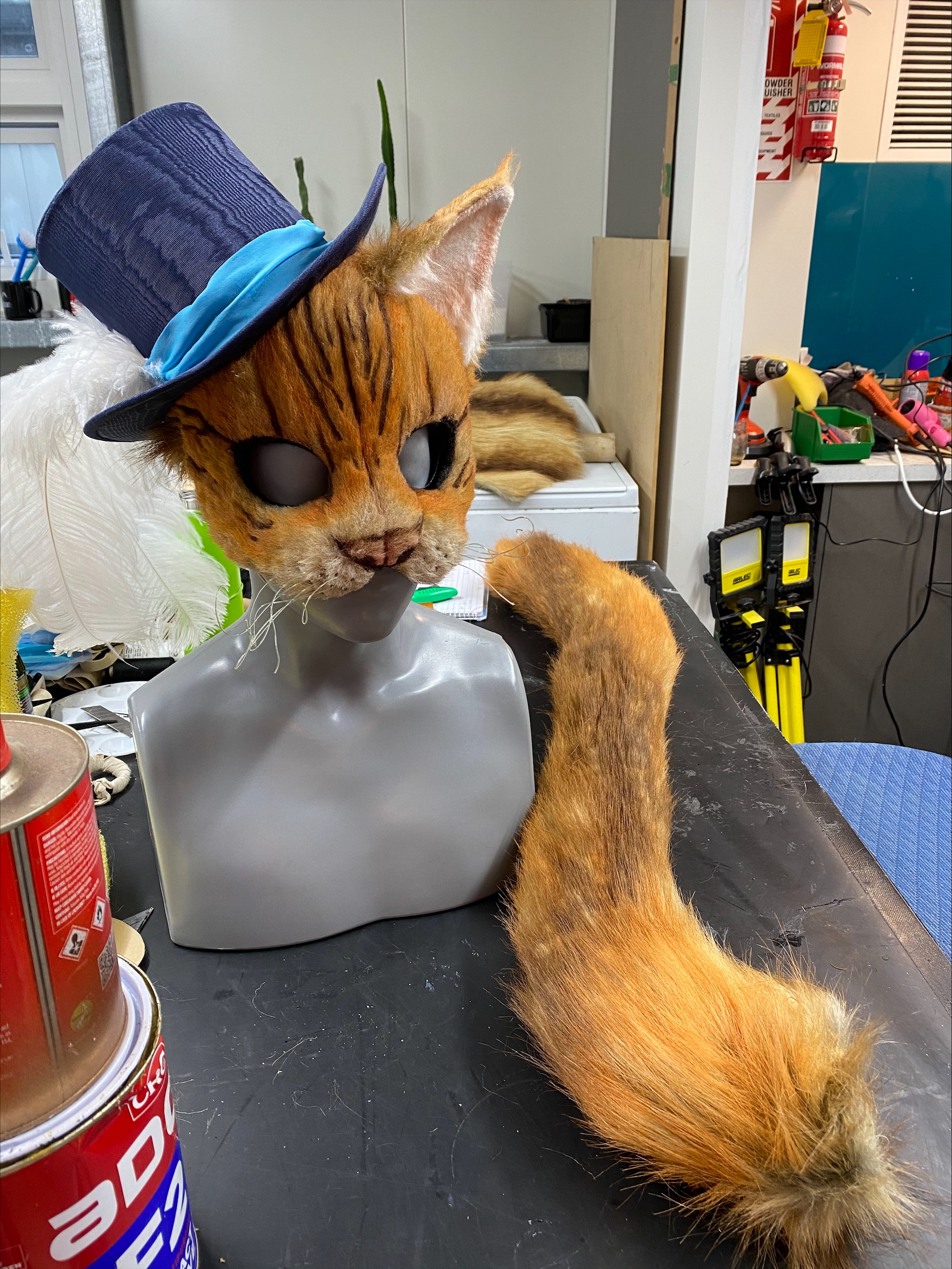
The key considerations are making things as light as possible, as quiet as possible (sequins can be surprisingly loud near the head), flexible and either washable or designed to reduce the effects of sweat.
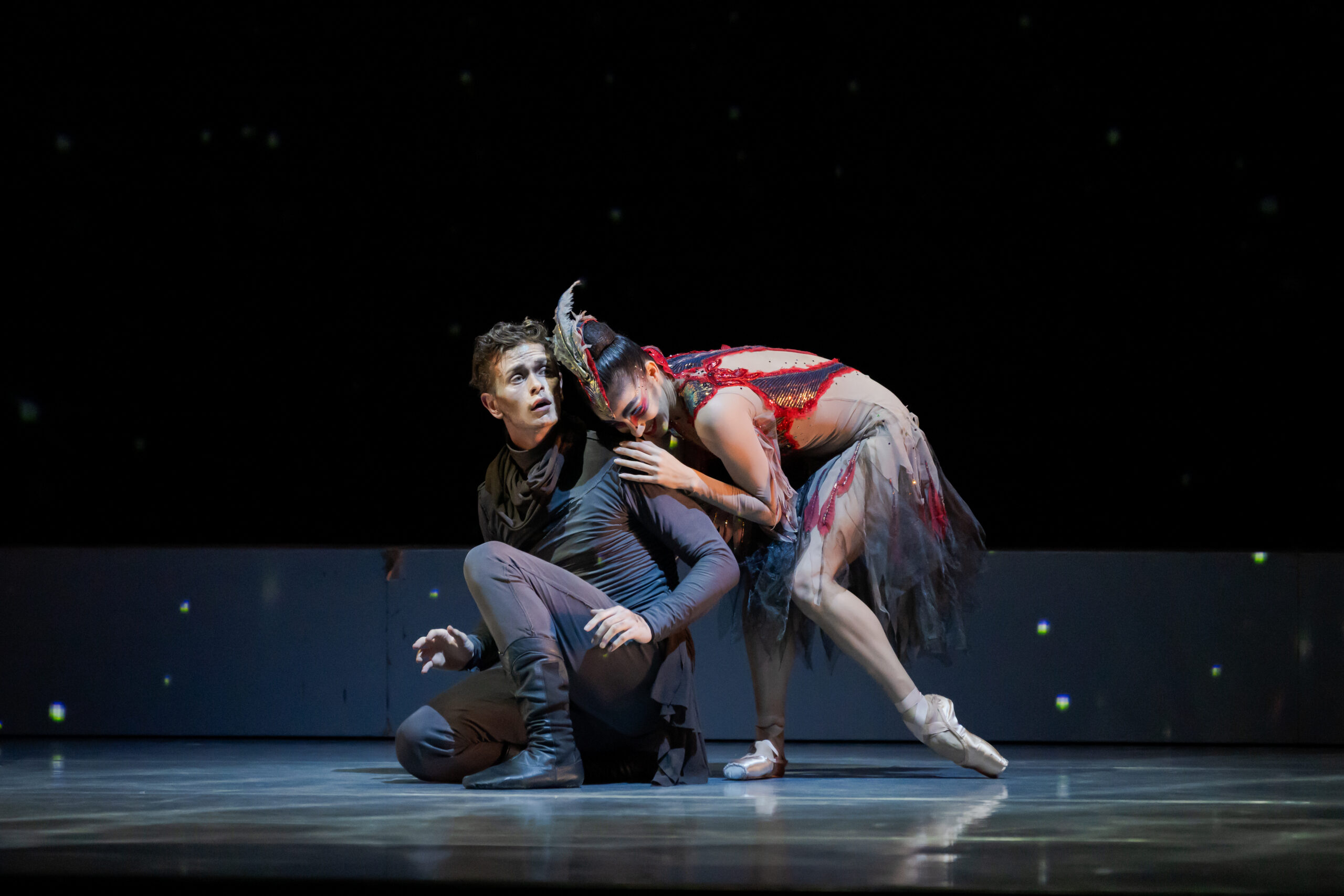
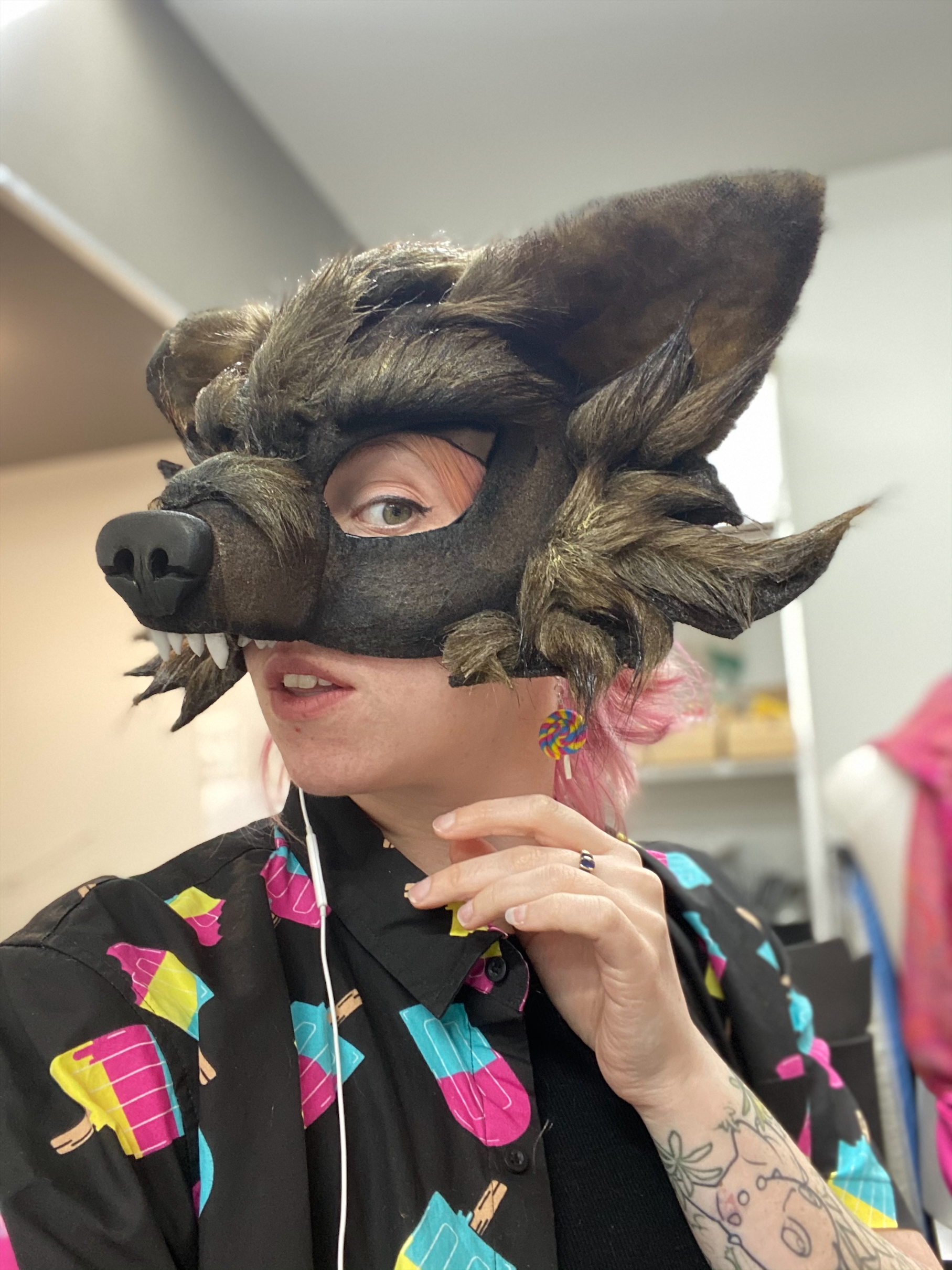
Safety is also very important. If someone falls over in a giant rat head, we need to make sure no one gets impaled or injured! There are a lot of considerations, and eight years later, I’m still developing new techniques with our dancers to improve comfort, stability and safety.
What materials do you use for hats and masks? You worked on Swan Lake – how have the materials used evolved?
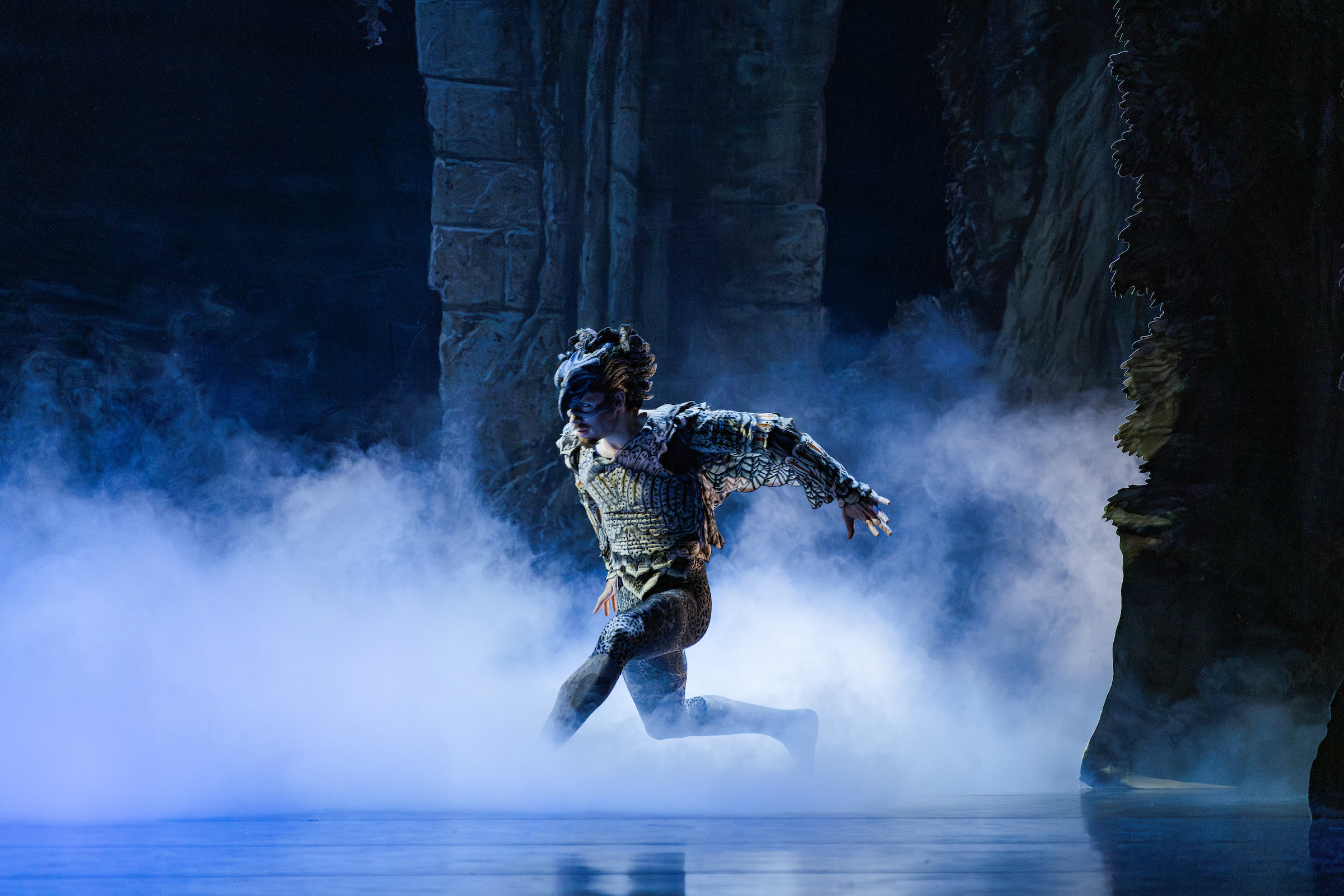
I use a wide range of quite unusual materials. Over the years we have used a lot of thermoplastics and buckrams, but more recently we have moved towards using upholstery grade felt and foam for its lightness and flexibility.
We use anything from Christmas baubles to create animal eyeballs, to plastic forks on the boogieman rabbits in Hansel and Gretel. I am constantly discovering new ways of working and new materials to achieve the perfect look and meet the needs of each production.
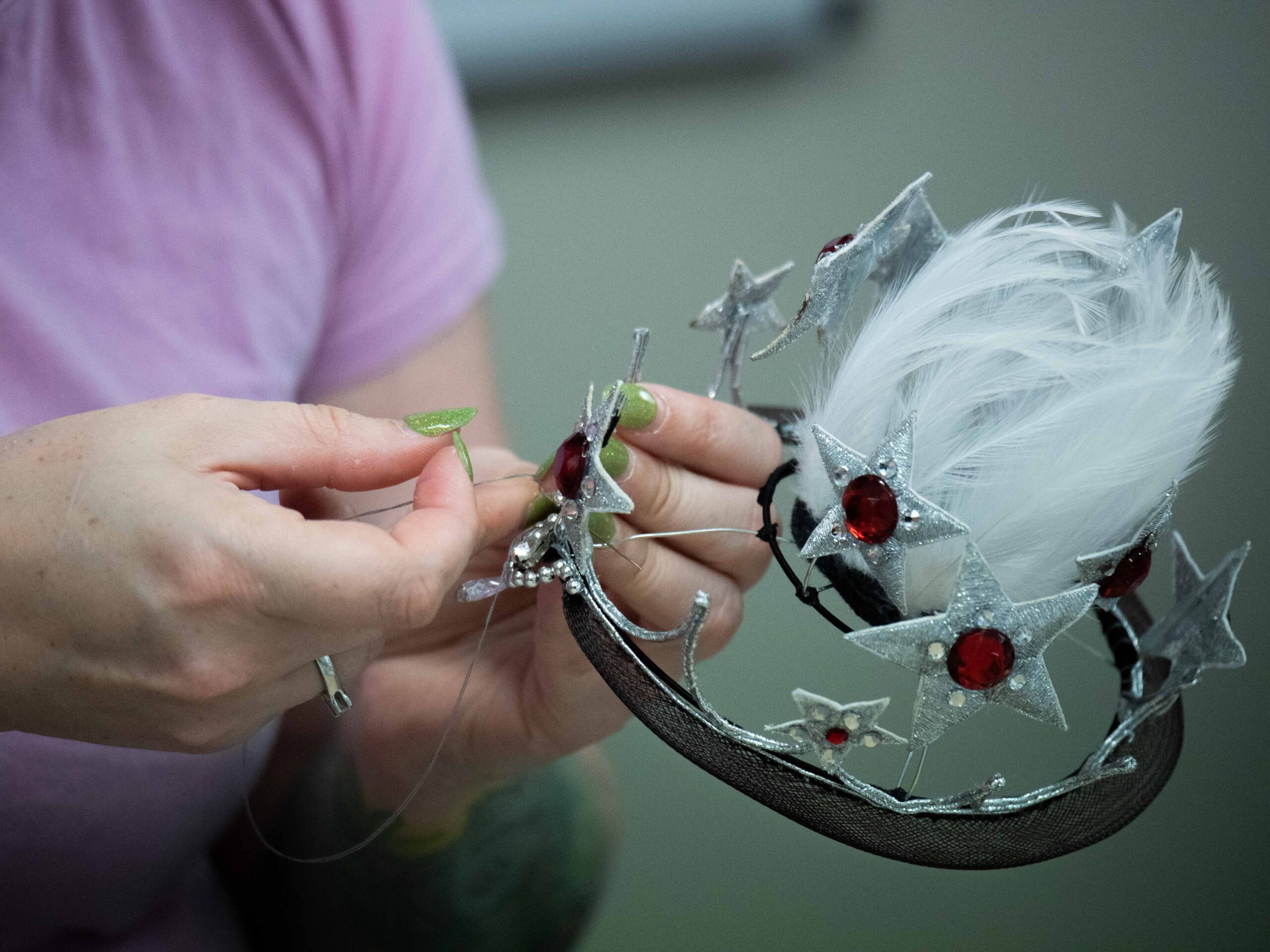
Adding details to a mock-up Birthday Offering headpiece, 2026. Photo: Dan Harris
What are you working on for the upcoming Winter Season?
I’ve been working on reproducing the original tiara design from the 1956 sketch by French designer André Levasseur for Sir Frederick Ashton’s Birthday Offering. Working between this design and some more recent show photos of other reproductions has been a really fun challenge to display the opulence and elements that were originally intended but with modern techniques to suit our dancers and costumes. The original design, whilst very sketchy, depicts the central feathers, all the stars at various sizes and heights and a lot of sparkle surrounding it.
To me, the original tiaras were the stars of the costume shooting like a flurry of shooting stars. They have a delicate spiraling nature in placement that I’ve wanted to keep in our reproductions. Paired with the center ring of feathers to help the spiral of stars stand out it truly is a tiara like never seen before.
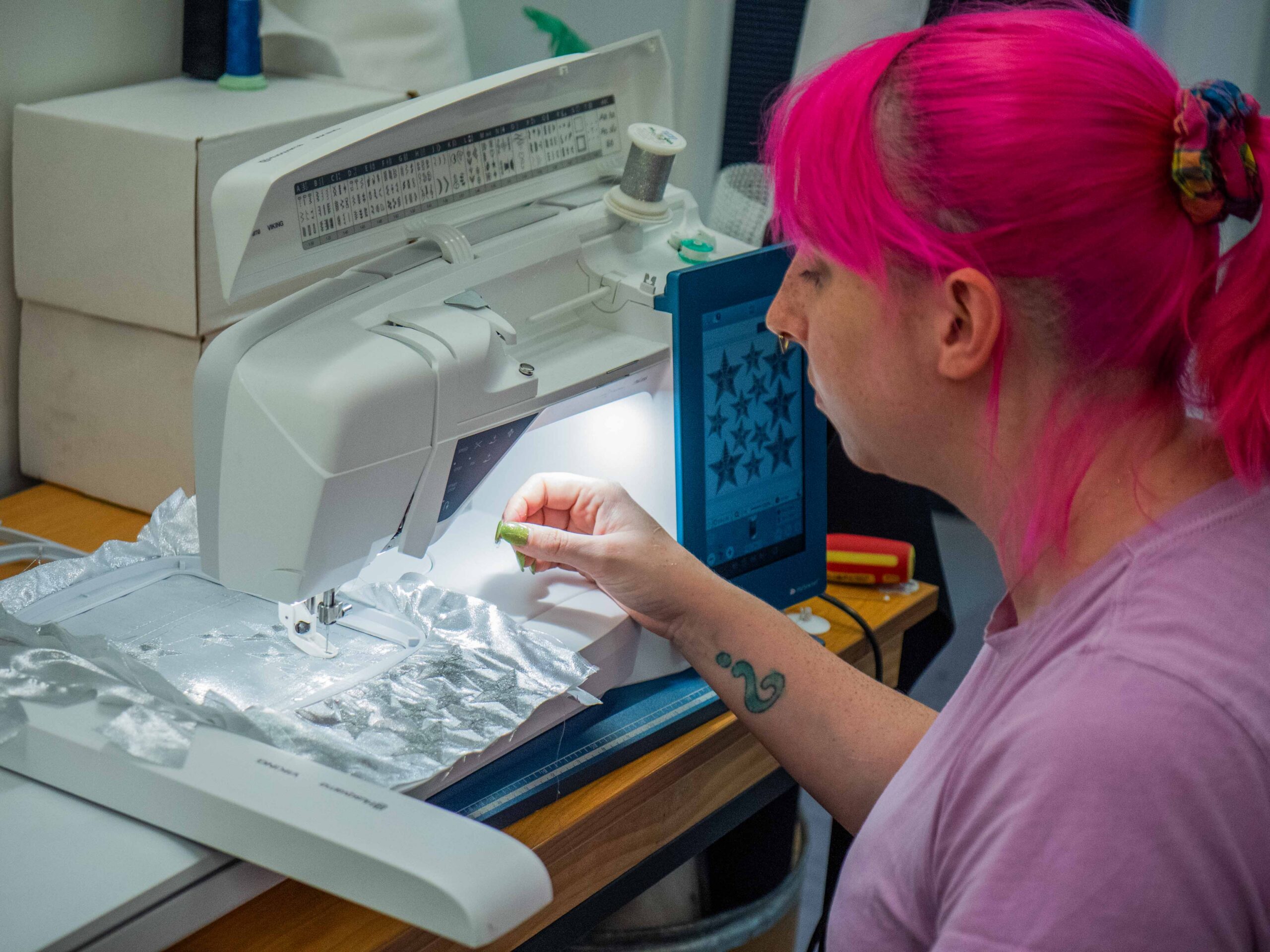
Victoria creating the embroidered stars for the Birthday Offering headpieces, Costume workshop at RNZB Studios, Wellington, 2026. Photo: Dan Harris
What is the process you go through in realizing designs like these?
This project is different from my usual working process because I am replicating someone else’s work without the actual pieces in front of me. I am working from references and trying to recreate the designs as closely as possible, while also making them as light as possible without knowing exactly how they made the originals.
The original stars look like they were metal which has likely since rusted. We’ve done some sampling in embroidery using metallic thread which will result in a lighter, safer and more controllable star. Paired with rhinestones and sewn on gems you get the same effect of grandeur but is more suitable for our dancers.
It is a bit of trial and error and involves getting approvals from the original rights owners of the production, The Ashton Foundation.
How do you make sure a headpiece doesn’t fall off!
So many ways! For many of the traditional tiaras I use a material called crinoline which blends into the dancer’s hair and has an open sturdy mesh for bobby pins to go through easily. When dancer’s’ hair can’t be pinned or the headpiece is a lot bigger in scale we love an elastic chin strap. Where possible we also add elastic that can wrap around a dancer’s bun for extra security.
If those options aren’t appropriate for the piece, I make a cotton cap that can fit inside a headpiece. It is usually removable and washable and fits close to the head with a chin strap and ear holes so that dancers can hear the music clearly.
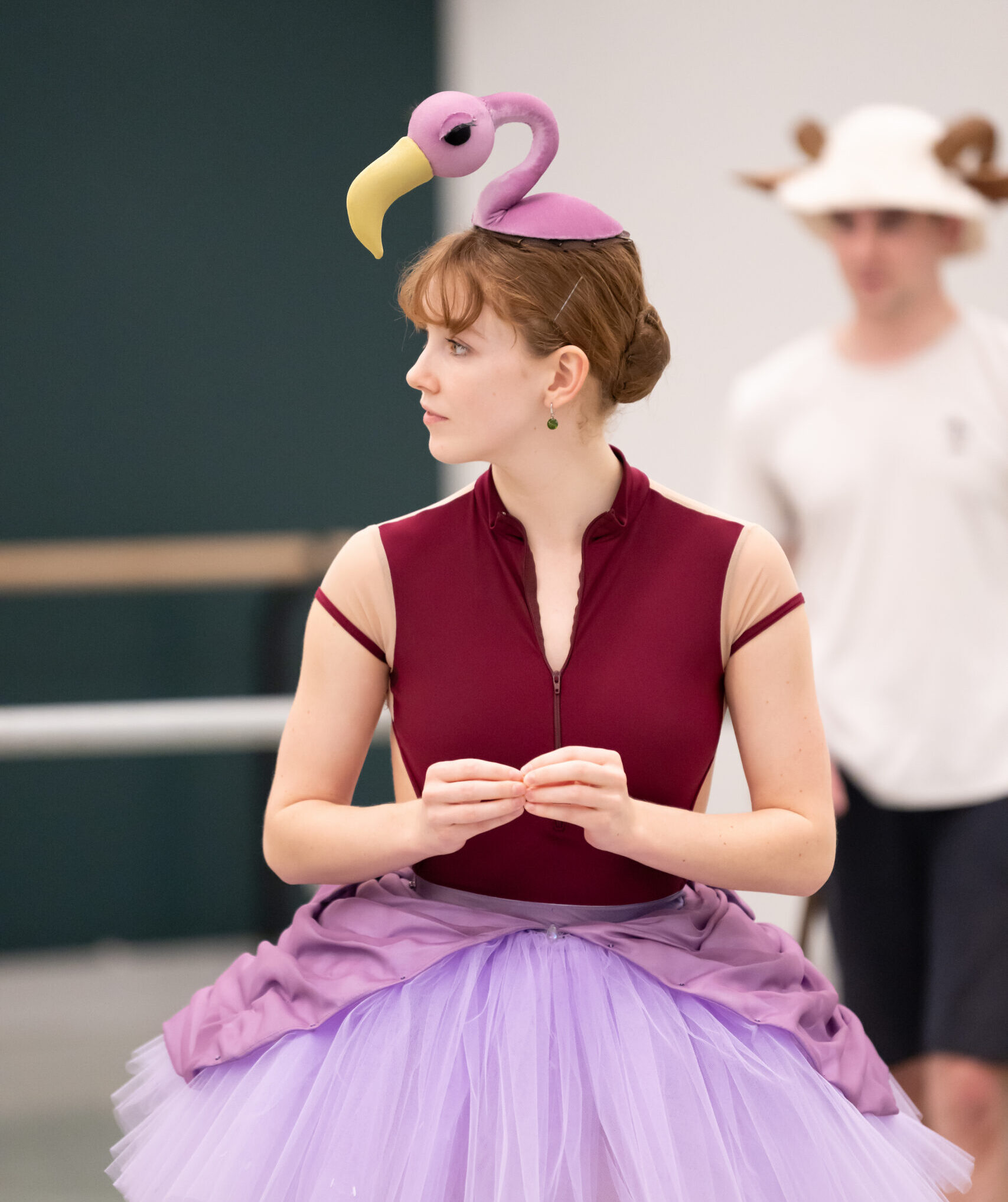
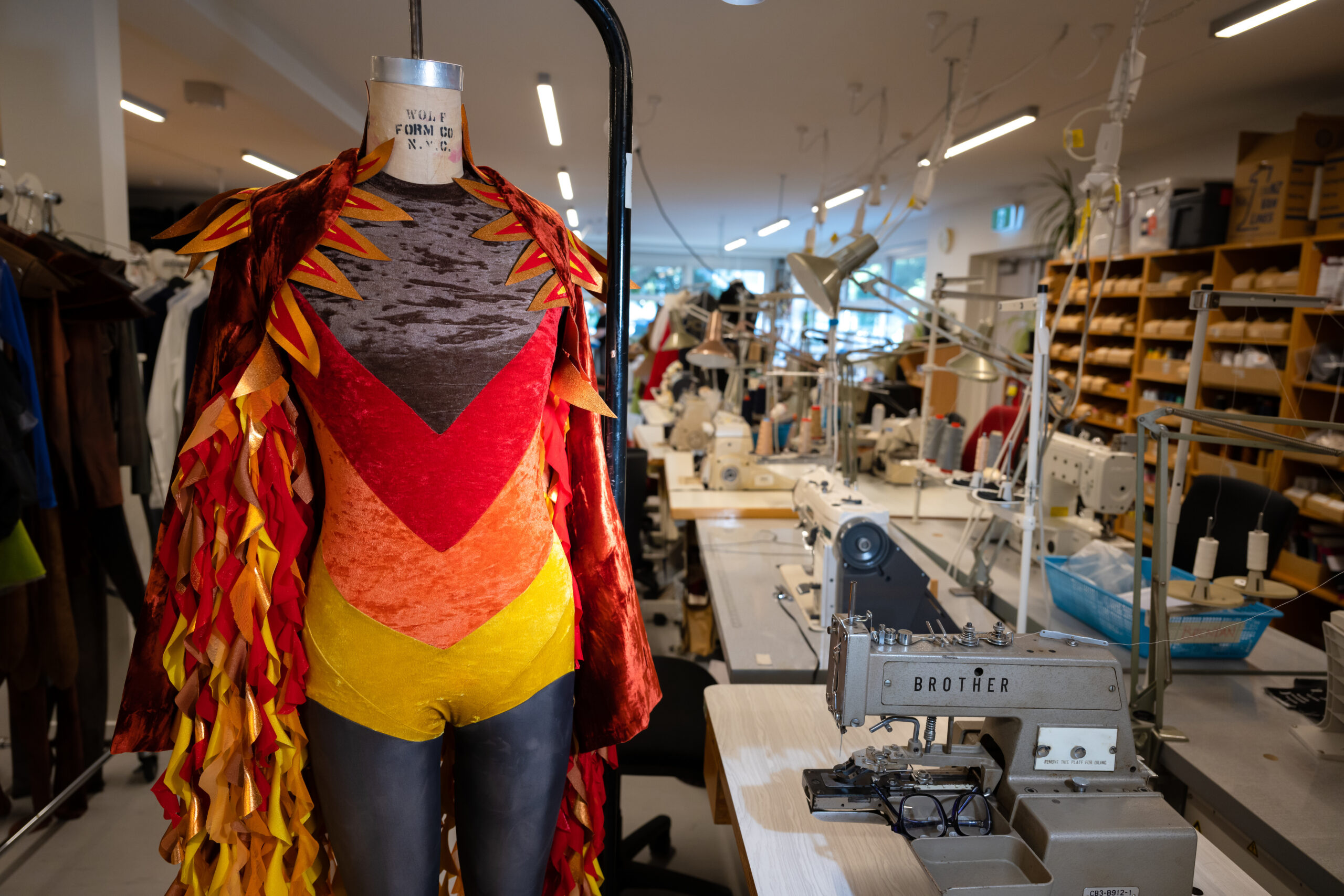
The Flamingo headpiece and tutu, worn by Ella Chambers, in rehearsal at St James Theatre studios, Wellington, 2024. Photo: Stephen A’Court.
Tell us about some of the highlights of your creative career. What was your most challenging project.
Some of the highlights of my creative career have been designing shows for whānau and children. The RNZB has given me several opportunities to design and build some absolutely delightful characters like Kiwi and the Dazzlehands farm animals. I also love the children’s shows I help design, make and produce at Circa Theatre.
You are the designer behind Dazzlehands and will be working on the designs for our next children’s ballet. How do you start the design process?
I have been very lucky to be asked to design our newest children’s production in 2026. With the last two productions, it has been wonderful to begin with the inspiration of a specific book, so my design process starts with reading the story and discussing the characters, their personalities, and how we want to bring them from the page to the stage.
I enjoy drawing on the references within the book, while also working closely with the dancers and considering their movement and practical needs. From there, the aim is to create a fresh, real-life interpretation of the story.
What would your dream project be?
I would absolutely adore working on a new production of Peter Pan. I love a show that has a lot of different moments and elements that you can really sink your teeth into. I am particularly partial to pirates and would love to have a swashbuckling sea adventure ballet.
Victoria's work on stage